
Lieferung heute & morgen

Qualitätsgarantie

Willkommens-Angebote freischalten: KOSTENLOSE Lieferung | Bis zu 80 % RABATT | Kostenlose 30-Tage-JoyPlus-Testphase
App herunterladen
Choosing the right motorcycle protective gear can be overwhelming. Manufacturers advertise numerous features, but not all are equally relevant to your safety and comfort. A poor purchase is not only frustrating for your wallet but can also compromise protection when it matters most. This guide focuses on the crucial criteria and helps you navigate common pitfalls.
Three common problems often lead to dissatisfaction and safety gaps:
To avoid these pitfalls, you should focus on a few crucial technical parameters. These form the foundation for safe and functional motorcycle apparel with protectors.
The most important feature is the protectors themselves. Look for certification according to European standards, which guarantee tested impact absorption.
A product that meets these standards has proven its protective function in standardized tests.
A high-quality motorcycle protector jacket or motorcycle protector pants combines various materials to ensure protection, durability, and wearing comfort.
The best protective gear is useless if it doesn't fit correctly. Look for a wide range of adjustment options to precisely tailor the gear to your body. Adjustable straps on the shoulders, elbows, waist, and cuffs are essential. Elastic inserts and hook-and-loop fasteners help to securely fix the protectors in place, ensuring they don't shift during rapid movements or in the event of a crash.
Based on these objective criteria, we have curated a selection of products for different rider profiles.
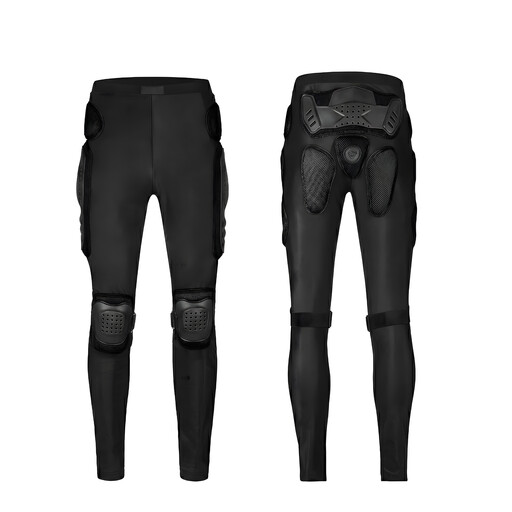
Why This Fits Their Persona: Ideal for riders seeking a basic protective layer for occasional rides or for starting out in action sports. It offers protection for the hips, thighs, and knees without heavily impacting the budget, and can be worn under regular clothing.
The protectors are firmly integrated into a snug-fitting mesh fabric, which minimises shifting. The breathable material counteracts heat buildup.
Combination of PE hard shells and EVA foam in critical areas. Versatile for use in MTB, skateboarding, or motocross.
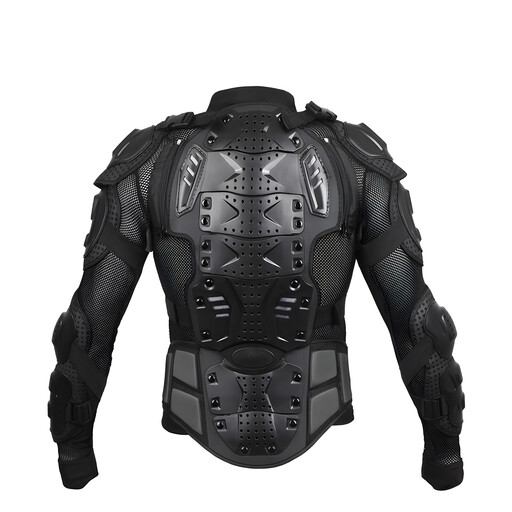
Why This Fits Their Persona: Designed for motocross and enduro riders who require comprehensive upper body protection. The jacket covers the back, spine, chest, shoulders, and elbows, and is built for demanding terrain.
Extensive adjustment options on the shoulders, waist, and sleeves ensure a non-slip fit. The construction of PE shells and nylon fabric provides high protective performance and abrasion resistance.
Removable, segmented back armour for excellent freedom of movement. Ventilation openings in the chest area and the mesh fabric ensure good air circulation.
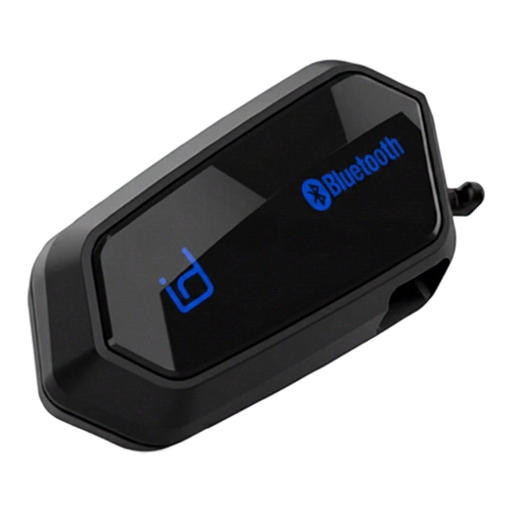
Why This Fits Their Persona: For riders who value communication, navigation, and entertainment on long tours. A motorcycle helmet Bluetooth headset enhances safety by allowing hands to stay on the handlebars and eyes on the road.
Addresses the pitfall of distraction. The DSP noise cancellation ensures clear communication even at high speeds, reducing the need to shout over wind noise or stop.
Features like Music Sharing and Audio Mixing allow for simultaneous listening to music and navigation prompts. The IPX6 water resistance ensures functionality in the rain.
We have compiled a complete, up-to-date list of products that fully meet these strict selection criteria and safety standards.
1. How do I find the right size for my protector pants or jacket? Measure your chest, waist, and hip circumference, as well as your height, and compare these measurements with the manufacturer's size chart. Protective apparel should fit snugly without restricting movement. If you are between two sizes, it is often advisable to prioritise a tighter fit to ensure the protectors do not shift. Consider whether you intend to wear the gear over or under other clothing.
2. When should I replace my motorcycle protective gear? Gear should be replaced after any significant crash, even if there is no visible damage. Micro-fractures in the material can substantially reduce its protective capabilities. Additionally, regularly inspect your equipment for signs of wear and tear, such as brittle hard shells, damaged seams, or failing hook-and-loop fasteners. As a general guideline, it is recommended to replace helmets every 5-7 years, and other protective gear within a similar timeframe, depending on use and condition.
3. Are separate protectors better than those integrated into motorcycle apparel? Both systems have their merits. Integrated protectors in jackets and pants are practical for daily use and touring. Separate protector vests, pants, or individual joint guards, as often used in motocross gear, typically offer a more precise and secure fit. They are often modular and allow for more targeted protection for extreme sports. The choice depends on your riding style and comfort preferences.