
Lieferung heute & morgen

Qualitätsgarantie

Willkommens-Angebote freischalten: KOSTENLOSE Lieferung | Bis zu 80 % RABATT | Kostenlose 30-Tage-JoyPlus-Testphase
App herunterladen
Choosing the right motorcycle gear can be overwhelming. Manufacturers advertise numerous features, but not every investment pays off on the road. Many riders only discover after their purchase that their equipment has shortcomings in daily use. This guide will help you identify the crucial features and avoid common purchasing traps.
A frequent problem is the discrepancy between advertised features and real-world performance. For instance, "waterproof" clothing often turns out to be merely "water-resistant" in a heavy downpour and is soaked through after a short time. Another trap is protective gear that is visually appealing but lacks valid safety certifications. Similarly, a premium is often charged for technical motorcycle accessories with features that are already standard from other providers.
To make an informed decision, it's helpful to focus on the fundamental parameters that ensure safety and functionality. Marketing promises should take a backseat to these.
The most important criterion when buying a helmet or a protective vest is its certification. When you buy a motorcycle helmet, look for the ECE 22.06 standard. This standard, in effect since 2021, places higher demands on impact absorption, rotational resistance, and visor durability than its predecessor, ECE 22.05. A helmet with this label has undergone a standardized, rigorous testing process. Similar standards apply to protectors in jackets and trousers (e.g., EN 1621-1 for joint protectors), which define their energy absorption capability.
The functionality of motorcycle apparel depends heavily on the material. A simple polyester fabric may be lightweight, but it offers little protection when wet. The presence of a climate membrane is crucial. These microporous layers are designed to block water droplets from the outside while allowing water vapour (sweat) to escape from the inside. Pay attention to the water column rating (in mm), which indicates the pressure the material can withstand. This is a particularly relevant value when searching for truly waterproof motorcycle gloves or touring jackets.
Modern motorcycle accessories are intended to make daily riding easier. For a motorcycle intercom system, the Bluetooth standard (e.g., 5.2) is an indicator of a stable connection and longer range. Features like noise cancellation (DSP or CVC) are essential for clear conversations against wind noise. Equally important is the maintenance of the vehicle's electronics. An intelligent 12V motorcycle battery charger with maintenance and repair modes can significantly extend a battery's lifespan, especially with seasonal motorcycle use.
The right gear depends heavily on the individual riding profile. Here are some recommendations tailored to specific needs.
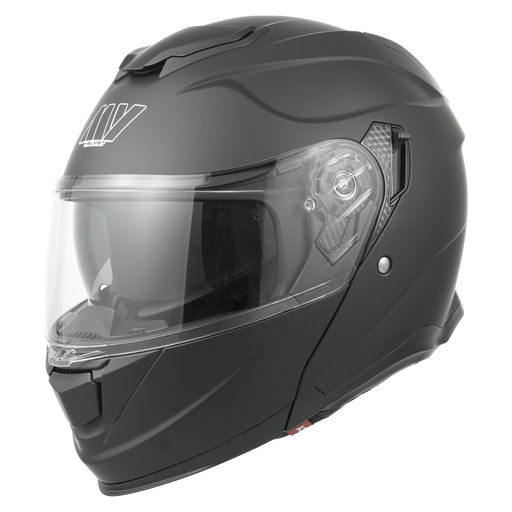
Why This Fits Their Persona: For daily city rides, flexibility and certified safety are crucial. This helmet combines the practicality of a flip-up design with the current ECE 22.06 safety standard. The integrated sun visor is useful in changing light conditions, and the dedicated space for a headset makes it easy to retrofit communication systems.
It bypasses the trap of inadequate certification by meeting the stringent ECE 22.06 standard. Instead of focusing on visual gimmicks, the emphasis is on verifiable protective performance.
Flip-up mechanism for more comfort during short stops. Integrated sun visor. Ready for communication systems.
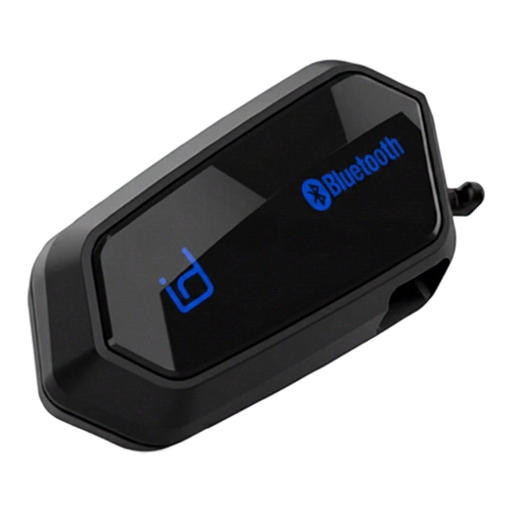
Why This Fits Their Persona: On long tours, communication, navigation, and long battery life are essential. This system uses Bluetooth 5.2 for a stable connection and offers up to 35 hours of operating time, according to the manufacturer. The music sharing feature and DSP noise cancellation significantly enhance comfort for both rider and passenger.
It avoids the trap of overpriced technology by offering advanced features like music sharing and audio mixing, often reserved for premium models, in a more accessible package.
Long battery life (up to 35h). Music sharing function. IPX6 water resistance for rides in any weather.
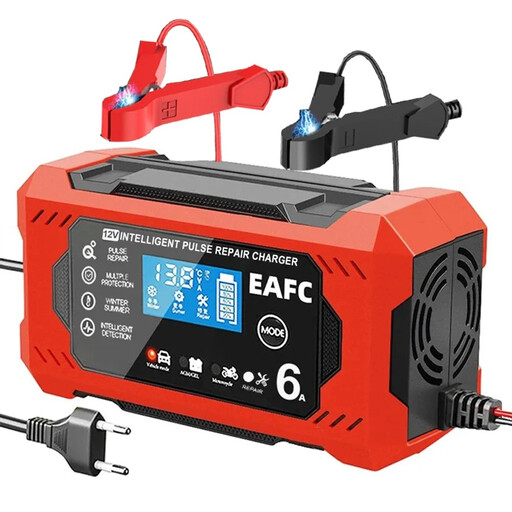
Why This Fits Their Persona: Those who maintain their own motorcycle need reliable tools. This microprocessor-controlled charger is suitable for most lead-acid battery types (including Calcium, GEL, AGM). It offers not only a charging function but also a pulse repair mode to maximize battery life—ideal for winter storage.
Instead of being a simple charger, this model offers intelligent features like overheat, overcharge, and reverse polarity protection. It avoids the trap of damaging a battery through incorrect charging.
LCD display for monitoring. Pulse repair function. Compatible with various 12V battery types (4-100Ah).
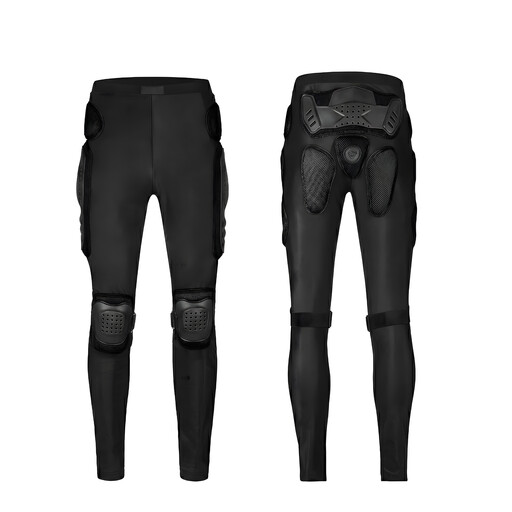
Why This Fits Their Persona: For new riders, protection is paramount. These trousers integrate hard-shell pads in high-impact zones like the hips, thighs, and knees. The elastic mesh fabric ensures the protectors stay snug and don't shift, without restricting movement.
It avoids the trap of fashionable but inadequate protective clothing. Instead of hidden, thin pads, it uses clearly visible hard shells made of PE material and shock-absorbing EVA foam for comprehensive impact protection.
Comprehensive protection for hips, thighs, and knees. Breathable mesh fabric for comfort. Secure fit of the protectors.
We have compiled a complete, up-to-date list of products that fully meet these strict selection criteria and relevant safety regulations.
Measure the circumference of your head at its widest point, about one centimetre above your eyebrows and ears. Compare this measurement with the size chart of the respective helmet manufacturer. Note that the fit can vary depending on the brand and model. A correctly fitting helmet should be snug without causing pressure points and should not shift when you move your head.
Always read the manufacturer's care label. Use a special detergent for technical apparel, as conventional detergents can clog the pores of the climate membrane. Wash at a low temperature and use a short spin cycle. To reactivate the water-repellent property of the outer layer, a treatment in a dryer on low heat (if permitted by the manufacturer) or the subsequent application of a waterproofing spray may be necessary.
The term "universal" usually refers to a common tube diameter, often 25 mm. However, it is essential to check the exact diameter of your motorcycle model's crash bars before making a purchase. The shape and mounting points can also vary. Therefore, measure carefully beforehand to ensure the protectors will fit and provide a secure hold.