
Lieferung heute & morgen

Qualitätsgarantie

Willkommens-Angebote freischalten: KOSTENLOSE Lieferung | Bis zu 80 % RABATT | Kostenlose 30-Tage-JoyPlus-Testphase
App herunterladen
Choosing the right motorcycle gloves is crucial for both safety and comfort on every ride. But the market is saturated with models that make big promises but often fail to deliver. Misleading material specifications or exaggerated marketing claims can easily lead to a poor purchase. This guide will help you identify the essential features and avoid common pitfalls.
As a Joybuy Product Recommendation Officer, I analyse product data to provide you with objective, practical advice. The goal is to give you a solid basis for making an informed decision, based on objective criteria rather than marketing hype.
To avoid making a bad purchase, you should focus your attention on three key product characteristics. These are the primary determinants of safety, durability, and functionality.
The material is the foundation of comfort and protection. While leather offers high abrasion resistance, modern textile fabrics are often more flexible and easier to maintain.
Motorcycle gloves with protectors are essential for safety. The quality of protection depends on the material and construction.
A glove can only provide optimal protection if it fits perfectly. Modern additional features also enhance their practical, everyday utility.
Based on the criteria mentioned, we have selected a few products from our range that are suitable for different users and purposes.
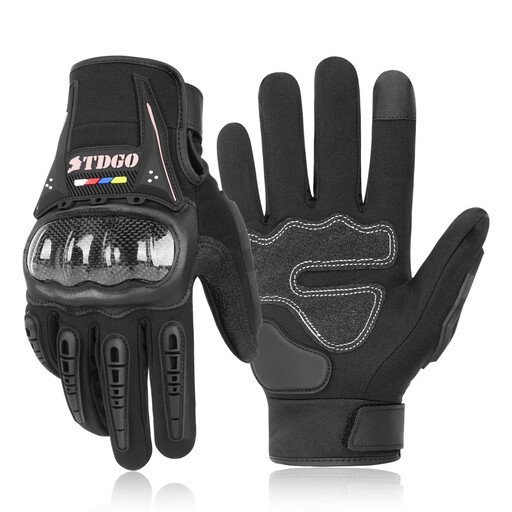
Why this model is a great fit: Ideal for riders who commute daily by motorcycle or scooter and need a reliable glove for variable conditions. It combines protection, weather resistance, and modern functionality.
The breathable polyester fabric prevents heat build-up in the summer, while the carbon fibre hard shell provides solid knuckle protection. The integrated metallic fibres ensure durable touchscreen functionality.
Offers a balanced combination of hard-shell protectors, breathability, and touchscreen compatibility, designed for daily use on motorcycles and scooters.
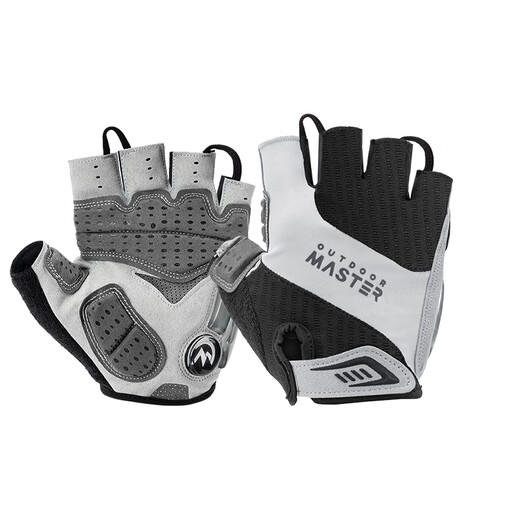
Why this model is a great fit: A lighter option for short urban trips by bicycle, e-scooter, or scooter, where grip and ventilation are the priority. Also suitable for mountain biking or other outdoor activities.
This model avoids the trap of oversized protectors for light-duty use. It focuses on the essentials: a good grip feel and high breathability, without pretending to be a high-speed motorcycle glove.
Very lightweight and flexible design that allows for maximum handlebar contact and comfort during lower-speed rides or sports activities like cycling.
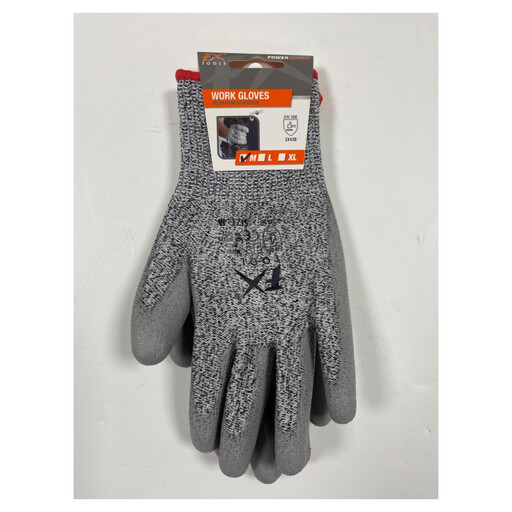
Why this model is a great fit: For users who need a robust glove for manual labour, gardening, or vehicle maintenance, and who value cut protection and grip.
This model offers specialised cut and abrasion protection thanks to HPPE fibres, a feature that typical motorcycle gloves lack. It avoids the compromise of using a riding glove for unsuitable, high-wear tasks.
The combination of cut-resistant HPPE (High-Performance Polyethylene) and a grippy polyurethane (PU) coating provides protection during mechanical work.
We have compiled a complete, up-to-date list of products that fully meet these strict selection criteria and applicable regulations.
The correct fit is crucial. Measure the circumference of your hand at its widest point (excluding the thumb) with a flexible measuring tape. Compare this measurement with the manufacturer's size chart. A well-fitting glove should be snug without cutting off circulation or restricting finger movement. As a rule of thumb, if you are between two sizes, it is often advisable to choose the larger one to ensure sufficient room for movement.
All-season motorcycle gloves are a compromise designed for moderate temperatures. They are well-suited for most of the year—spring, autumn, and cooler summer days. However, they reach their limits at temperatures below 5°C (41°F) or above 25°C (77°F). For rides in extreme cold, insulated winter gloves are the better choice, and for hot summer days, highly perforated summer gloves are ideal.
To maintain the lifespan and functionality of your gloves, you should care for them correctly. Hand-wash the gloves using only a mild detergent and lukewarm water. Avoid harsh chemicals or the washing machine, as this can damage the materials and protectors. Allow the gloves to air-dry and do not place them on a heater or in direct sunlight, as heat can make the material brittle. Before every ride, check the condition of the protectors and seams.