
Lieferung heute & morgen

Qualitätsgarantie

Willkommens-Angebote freischalten: KOSTENLOSE Lieferung | Bis zu 80 % RABATT | Kostenlose 30-Tage-JoyPlus-Testphase
App herunterladen
As a Joybuy Product Recommendation Officer, my role is to provide you with clear and objective information. This guide is designed to help you understand how motorcycle communication systems work and make an informed decision tailored to your specific needs.
Anyone who rides a motorcycle regularly knows the challenges: communicating with a passenger is nearly impossible due to wind noise and the helmet, reading navigation instructions on a smartphone is distracting, and listening to music with conventional headphones is impractical and can impair your awareness of traffic. A high-quality motorcycle headset solves these problems by safely integrating communication, navigation, and entertainment into your helmet.
The right device depends on your individual riding habits. Whether for the daily commute or long tours, the following criteria will help guide your decision.
A key feature is the intercom function, also known as a motorcycle intercom. The simplest version is a 2-person intercom, which establishes a direct connection between the rider and passenger or two riders over a short distance. These systems typically use Bluetooth technology. For communication in larger groups, there are more advanced systems with Mesh technology, which provide a more stable connection between multiple participants over greater distances. Pay attention to the maximum range and the number of supported connections specified by the manufacturer.
Clear audio is crucial while riding. High-quality speakers designed specifically for helmets deliver rich sound, not just for conversations but also for music and navigation prompts. A headset with noise cancelling is essential. Technologies like CVC (Clear Voice Capture) or DSP (Digital Signal Processing) actively filter out distracting wind and engine noise. The result is significantly improved voice quality, ensuring clear communication even at higher speeds.
For long tours, a long-lasting battery is crucial. The operating time is specified by manufacturers in hours and should match your typical usage. Modern devices often offer more than 20 hours of talk time and can be quickly recharged via a USB-C port. Since weather on motorcycle tours can be unpredictable, a waterproof motorcycle headset is a wise investment. An IP rating like IPX6 means the device is protected against powerful water jets and is therefore suitable for riding in the rain.
Based on the criteria mentioned, we have compiled a selection of models that stand out for their technical features and functionality.
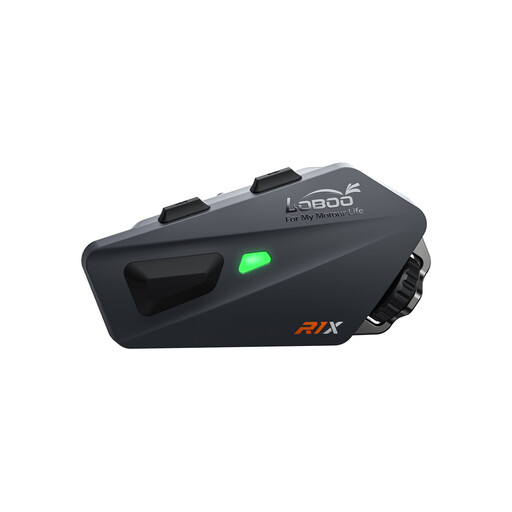
What sets it apart The LOBOO R1X focuses on high audio quality. Equipped with 45 mm speakers, it delivers clear and powerful sound. The integrated CVC noise cancellation ensures that conversations remain intelligible even at higher speeds by effectively reducing ambient noise.
Advantages
Who it's for This helmet headset is a great choice for commuters and touring riders who value clear communication and good music playback and are looking for a straightforward solution.
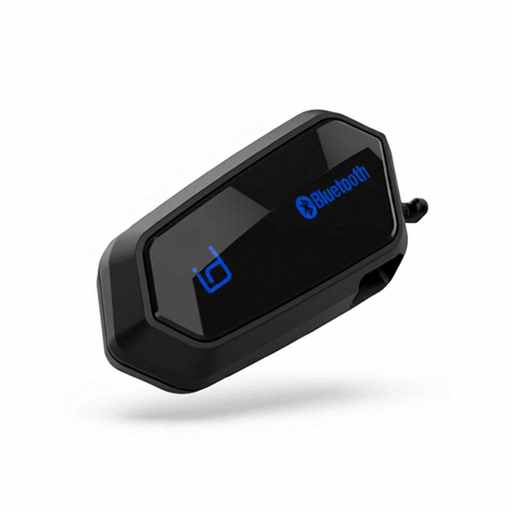
What sets it apart The ID221 Moto A2 Pro is a feature-rich motorcycle Bluetooth headset. It uses Bluetooth 5.2 for a stable connection and offers unique features like Music Sharing, which allows two riders to listen to the same music simultaneously. Other features include customisable RGB lighting effects and automatic volume control that adjusts to ambient noise. DSP noise cancellation ensures clear conversations.
Advantages
Who it's for Ideal for tech-savvy riders and touring partners who, in addition to pure communication, also value entertainment features like music sharing and a long battery life for extended rides.
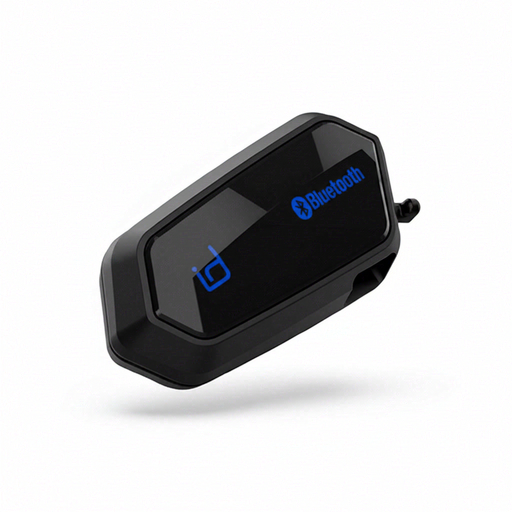
What sets it apart The ID221 Moto A2S is a reliable communication system for motorcycles that focuses on core functions. It offers a stable 2-person intercom connection via Bluetooth 5.2, advanced noise reduction, and impressive battery life. With HD speakers and an IPX6 certification, it is a robust companion for daily use and longer tours.
Advantages
Who it's for This model is aimed at riders looking for a practical and durable solution for communicating with a partner, receiving navigation prompts, and occasional music listening. Its robustness and long battery life make it particularly appealing for commuters and touring riders.
If you need a more comprehensive solution with integrated map displays and route planning, a dedicated navigation device might be the right choice. These devices often offer larger screens and advanced planning features.
Discover our selection of motorcycle navigation devices here.
Can I use a motorcycle headset with any helmet? Most headsets are designed to be compatible with a variety of helmet types, including full-face, modular, and open-face helmets. The package often includes different microphones (e.g., boom and wired microphones) and mounting kits to allow for flexible installation. It is still advisable to check the manufacturer's compatibility information.
How important is noise cancellation in a helmet headset? Noise cancellation is one of the most important features. Technologies like DSP or CVC are designed to analyse and digitally reduce constant background noise such as wind and engine sounds. This results in significantly clearer voice transmission during intercom conversations and phone calls and enhances the listening experience for music and navigation prompts.
What does the IP rating mean for a waterproof motorcycle headset? The IP (Ingress Protection) rating indicates how well an electronic device is protected against the ingress of foreign objects (first digit) and water (second digit). An "X" in the first position means it has not been tested against foreign objects. A rating like IPX6 means the device is protected against powerful water jets, ensuring it functions reliably even in heavy rain.