
Lieferung heute & morgen

Qualitätsgarantie

Willkommens-Angebote freischalten: KOSTENLOSE Lieferung | Bis zu 80 % RABATT | Kostenlose 30-Tage-JoyPlus-Testphase
App herunterladen
Choosing the right motorcycle helmet is one of the most critical decisions you'll make as a rider. With the introduction of the new ECE 22.06 testing standard, the market has changed. But more safety also means more complexity when making a choice. Many riders fall into traps set by marketing promises or outdated information. This guide will help you understand the crucial criteria and find a helmet that truly fits your needs.
Before we dive into the technical details, let's look at the most common mistakes that often lead to dissatisfaction or even safety risks.
To make an informed decision, you should focus on three key parameters. These form the foundation for safety and functionality.
The ECE 22.06 standard is the current benchmark for motorcycle helmets in Europe, replacing the 20-year-old 22.05 version. The key differences lie in the more stringent testing procedures:
An ECE 22.06 motorcycle helmet therefore offers an objectively higher and more comprehensively tested level of protection.
The choice of helmet type depends heavily on your riding profile.
Modern helmets offer features that significantly enhance riding comfort and practicality.
Based on the criteria above, we have identified some models that are well-suited for specific rider profiles.
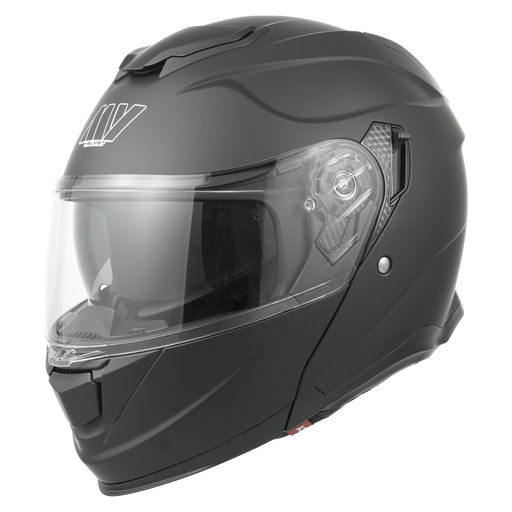
Why This Fits Their Persona: Ideal for city traffic and short distances. The modular mechanism offers flexibility during stops without needing to remove the helmet. The integrated sun visor adapts quickly to changing light conditions in the city.
This helmet combines the convenience of a modular design with modern ECE 22.06 certification. You don't have to choose between practicality and the latest safety standard.
ABS outer shell with EPS inner liner for shock absorption. Prepared slots for easy installation of a Bluetooth headset.
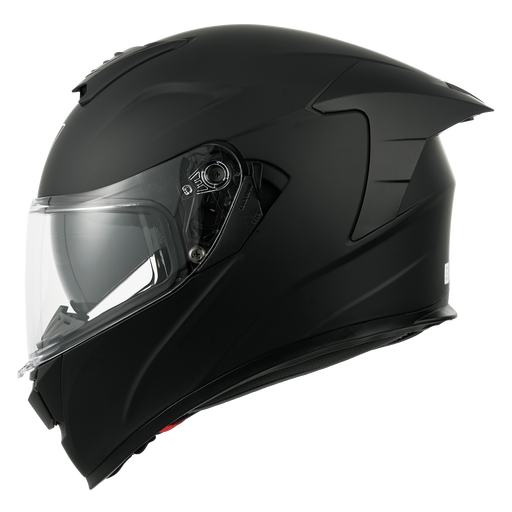
Why This Fits Their Persona: As a full-face helmet, it offers a solid set of essential features with a focus on safety. The simple design in a matte black motorcycle helmet finish and the accessible price point make it a great choice for riders who prioritize protection but don't have the budget for expensive extra features.
This helmet avoids the trap of buying an outdated model for a low price. It offers the current ECE 22.06 standard and key comfort features like a washable liner without breaking the budget.
Removable and washable inner liner for easy maintenance. Integrated sun visor for improved visibility in sunny conditions.
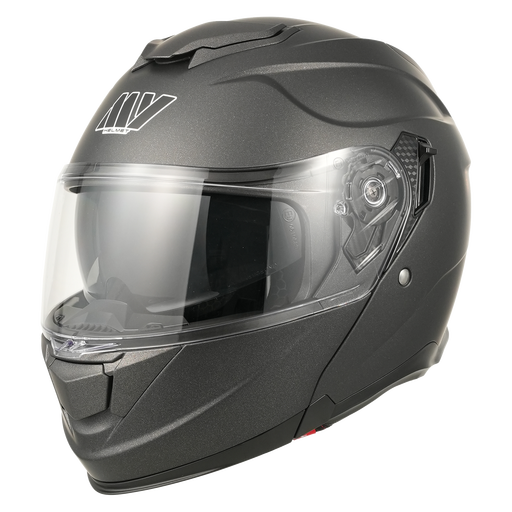
Why This Fits Their Persona: Designed as a touring helmet, this model combines long-distance comfort and functionality. The Bluetooth preparation and dual-visor system are major advantages on long rides. The comfortable inner liner ensures a pleasant feel even after hours in the saddle.
This helmet avoids compromising on fit. It is specifically designed for long journeys, offering features that minimize distractions and maximize comfort without cutting corners on ECE 22.06 safety.
Dual-visor system for optimal UV protection and anti-glare. Comfort liner that stays dry and pleasant even on long rides.
We've compiled a complete, real-time updated list of products that fully meet these strict selection criteria and safety regulations.
1. How do I find the right helmet size? Measure the circumference of your head at its widest point, about one centimetre above your eyebrows and ears. Compare this measurement with the manufacturer's size chart. A new helmet should fit snugly and not rotate or shift easily, but it shouldn't cause any pressure points. The padding will break in and loosen slightly over time.
2. Can I still use a helmet with the old ECE 22.05 standard? Yes, riding with a helmet certified to ECE 22.05 is still legal in Europe. However, since January 2024, manufacturers are only permitted to produce helmets that comply with the new ECE 22.06 standard. Switching to an ECE 22.06 motorcycle helmet is an investment in an objectively higher safety standard.
3. How do I care for my helmet's inner liner? On most modern helmets, like the models featured here, the inner liner is removable. It can typically be hand-washed with a mild detergent. Allow it to air dry completely before reinserting it. Regular cleaning prevents odours and maintains comfort.