
Lieferung heute & morgen

Qualitätsgarantie

Willkommens-Angebote freischalten: KOSTENLOSE Lieferung | Bis zu 80 % RABATT | Kostenlose 30-Tage-JoyPlus-Testphase
App herunterladen
For many riders, a motorcycle helmet with an integrated sun visor is a practical solution. It combines protection with comfort, saving you from constantly swapping between clear and tinted visors. However, the market can be overwhelming, and not every model delivers on its promises. Before you buy a new helmet, you should know the most common pitfalls to avoid making a poor investment.
This guide, created by the Joybuy Product Recommendation Officer, focuses on the objective criteria that truly matter when choosing a helmet.
Choosing a helmet should be based on facts, not marketing promises. Two common mistakes often lead to dissatisfaction or even safety risks:
To avoid these mistakes, you should focus on three crucial technical features. These form the basis for an informed purchasing decision.
Since 2021, the ECE 22.06 standard has been the mandatory testing protocol for new helmet models in Europe. Compared to its predecessor, 22.05, the requirements have been significantly tightened:
A full-face ECE 22.06 helmet therefore offers a demonstrably higher standard of protection. When buying, explicitly look for this certification on the helmet or in the product description.
The choice between a full-face and a modular helmet largely depends on your individual riding style.
Besides safety and construction type, practical details determine everyday usability:
Based on the objective criteria above, we have compiled a selection of helmets suitable for different needs.
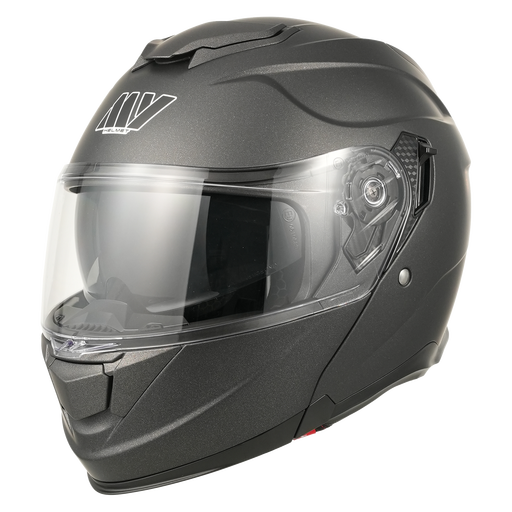
Why This Fits Their Persona: Ideal for city traffic and short trips. The flip-up function makes it easy to communicate during stops and is very convenient for glasses wearers.
Meets the strict ECE 22.06 standard and features a smooth sun visor mechanism that is easy to operate even with gloves on.
High flexibility thanks to the modular mechanism; preparation for Bluetooth headsets is already integrated.
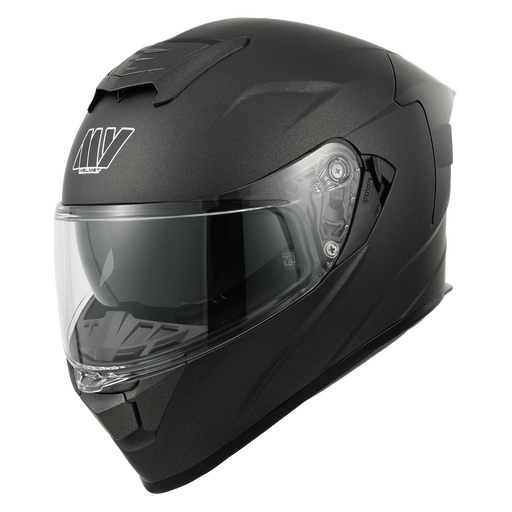
Why This Fits Their Persona: Designed for long distances. The full-face design offers high stability and good aerodynamics at country road and highway speeds.
Offers certified safety according to ECE 22.06. The inner lining is designed for long periods of wear and is removable for easy cleaning.
Solid shell construction for maximum stability; high-density EPS for shock absorption.
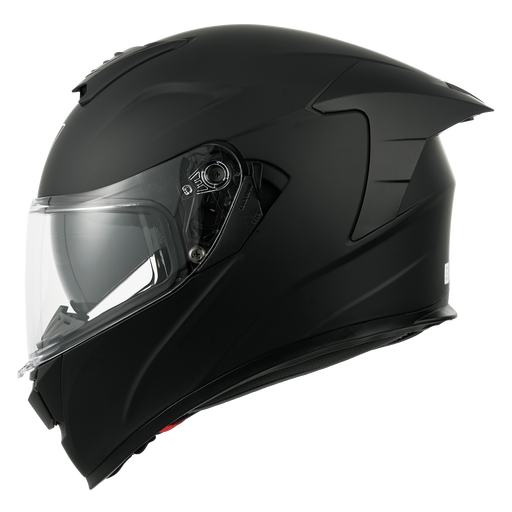
Why This Fits Their Persona: Provides the latest safety standard for riders looking for a reliable helmet for entry-level or occasional use without breaking the bank.
No compromises on safety: This helmet is certified to ECE 22.06 and focuses on essential protective features.
Focuses on the essentials: safety and an integrated sun visor at an accessible price.
The decision to buy an ECE 22.06 helmet is an investment in your own safety. The featured models for men's and women's motorcycle helmets show that modern safety standards and practical features like a sun visor are available across different price points and use cases.
If you need a separate visor for your helmet or are looking for other accessories, you can find a suitable selection here.
Measure the circumference of your head at its widest point, about one centimetre above your eyebrows and ears. The measuring tape should be snug but not tight. Compare the measurement in centimetres with the manufacturer's size chart. A new helmet should fit securely without causing pressure points. The padding will compress slightly over time.
Most manufacturers recommend replacing a motorcycle helmet after about five to seven years, even if it appears undamaged on the outside. Material fatigue from UV radiation and environmental factors can compromise the protective function of the outer shell and the damping layer. A helmet must be replaced immediately after a crash or a strong impact, as invisible hairline cracks can weaken the structure.
Technically, it's often possible, but not always advisable. Helmets with explicit Bluetooth preparation offer dedicated recesses for speakers and straightforward cable routing. On helmets without this preparation, installation can affect the fit or create pressure points. Furthermore, improper modification of the helmet shell can reduce its protective effectiveness.