
Lieferung heute & morgen

Qualitätsgarantie

Willkommens-Angebote freischalten: KOSTENLOSE Lieferung | Bis zu 80 % RABATT | Kostenlose 30-Tage-JoyPlus-Testphase
App herunterladen
Choosing the right motorcycle protective gear is a fundamental decision for every rider. However, the market is filled with products whose marketing promises often create more confusion than clarity. Many riders invest in equipment that later proves to be uncomfortable, impractical, or, in a critical situation, inadequate. This guide will help you identify common pitfalls and make an informed decision based on objective criteria.
Before we dive into the important features, let's look at the typical problems that lead to buyer's remorse.
To avoid these pitfalls, focus on the following three technical parameters. They form the basis for functional and safe equipment.
The heart of any motorcycle protective gear is the protectors. Their job is to absorb and distribute the energy generated during an impact.
The effectiveness of protectors depends directly on their correct positioning. A good fit is therefore not a luxury, but a necessity.
Safety and comfort do not have to be mutually exclusive. Good ventilation is crucial for well-being and concentration on long or demanding rides.
Based on the criteria above, we have compiled a few products for different requirement profiles.
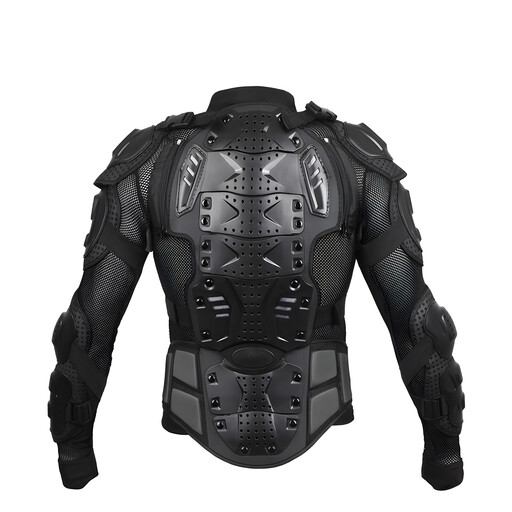
Why This Fits Their Persona: Ideal for commuters and touring riders looking for a comprehensive upper body protection solution. The jacket combines protection for the shoulders, elbows, chest, and spine with high wearing comfort for daily use.
Counters the "plastic armour" effect with its breathable mesh fabric base and ventilation openings in the chest area. Numerous adjustment straps prevent the protectors from shifting.
Comprehensive protection for the entire upper body in a single garment. The segmented back protector offers protection while maintaining good freedom of movement.
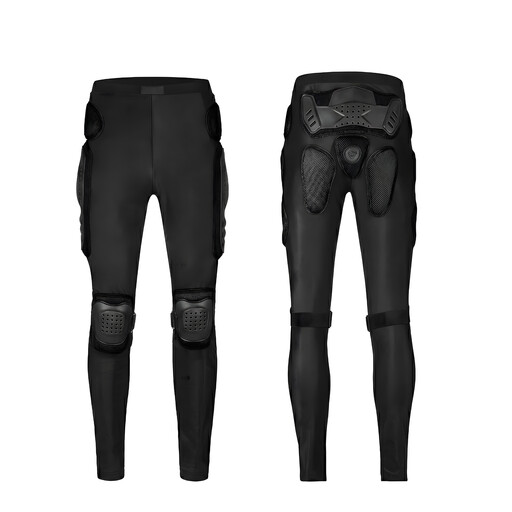
Why This Fits Their Persona: Designed for motocross, Enduro, and MTB riders who need targeted protection for the lower body. The trousers cover the high-impact zones of the hips, thighs, and knees with robust protectors.
Solves the problem of poor fit by fixing the protectors onto elastic mesh leggings. This ensures a close-to-body fit, so the protective elements do not shift during movement or a fall.
A combination of robust PE hardshells and shock-absorbing EVA foam for effective crash protection. The lightweight and breathable base material ensures comfort during high physical exertion.
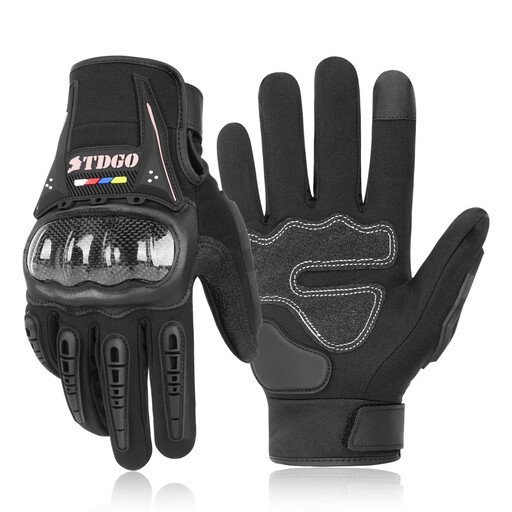
Why This Fits Their Persona: A fundamental safety item for every rider. These gloves offer targeted protection for the hands and knuckles, which are often the first to make contact with the ground in a fall. The touchscreen functionality adds everyday practicality.
Goes beyond mere aesthetics by integrating functional carbon fibre hardshell knuckle protection. This avoids the trap of choosing unprotected or purely fashion-oriented gloves.
Provides targeted impact and abrasion protection for the hands. The conductive fibres on the index finger allow for the operation of navigation devices or smartphones without having to take the gloves off.
We have compiled a comprehensive, up-to-date list of products that fully meet these strict selection criteria and safety regulations.
1. How do I find the right size for a protector jacket or trousers? Measure your chest circumference, waist circumference, height, and weight, and compare these measurements with the manufacturer's size chart. Protective gear should fit snugly so that the protectors cannot shift. When trying it on, ideally wear the layer of clothing you would wear underneath the gear (e.g., a base layer shirt). Ensure you have full freedom of movement in your riding position.
2. Can protectors be reused after a crash? After a crash involving significant force, protectors, especially hardshells, should be inspected carefully. Visible cracks, fractures, or severe deformations are clear signs that the protector must be replaced. Even without visible damage, the internal structure of foam protectors can be compromised, reducing their shock-absorbing capacity. When in doubt, a protector should be replaced after a serious fall to ensure full motorcycle crash protection.
3. How do I properly care for and clean my motorcycle protective gear? Always read the manufacturer's care instructions. Typically, the protectors can be removed from the jackets and trousers. The textile material (often mesh) can then be hand-washed with a mild detergent in cold water. Avoid machine washing, bleach, and high temperatures. Let the gear air dry in the shade and avoid direct sunlight or heaters, as this can damage the materials.