
Lieferung heute & morgen

Qualitätsgarantie

Willkommens-Angebote freischalten: KOSTENLOSE Lieferung | Bis zu 80 % RABATT | Kostenlose 30-Tage-JoyPlus-Testphase
App herunterladen
Choosing the right motorcycle protective gear is one of the most critical decisions you'll make as a rider. However, the market is saturated with products making bold claims. Many riders invest in equipment that later proves to be impractical, inadequate, or simply unsuitable for local conditions. Before you make a purchase, it's helpful to understand the most common pitfalls.
To make an informed decision, you should focus on objective, verifiable criteria. These three parameters are crucial for both function and safety.
The European standard EN 1621 is the most important indicator of a protector's effectiveness. It is divided into two levels:
When buying a motorcycle protector jacket or motorcycle trousers with protectors, look carefully for this certification in the product description.
The outer shell of your gear must be abrasion-resistant to withstand a slide on asphalt. At the same time, good ventilation is essential for riding comfort.
A correct fit ensures that the protectors stay in place. Look for the following features:
Based on these objective criteria, we have curated a selection of products for different rider profiles.
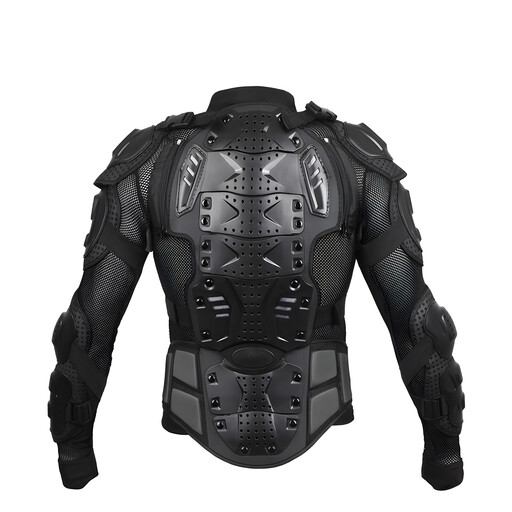
Why It's a Good Fit: This jacket is designed as dedicated motocross gear or for demanding enduro apparel. It offers comprehensive protection for the chest, back, shoulders, and elbows, and is engineered for maximum freedom of movement during intense physical activity.
Numerous adjustment options, such as a wide kidney belt, adjustable shoulder straps, and elastic sleeves with thumb loops, effectively prevent the protectors from shifting.
The base layer of highly breathable mesh fabric ensures efficient heat dissipation, which is crucial during strenuous off-road rides. Some of the protectors are removable.
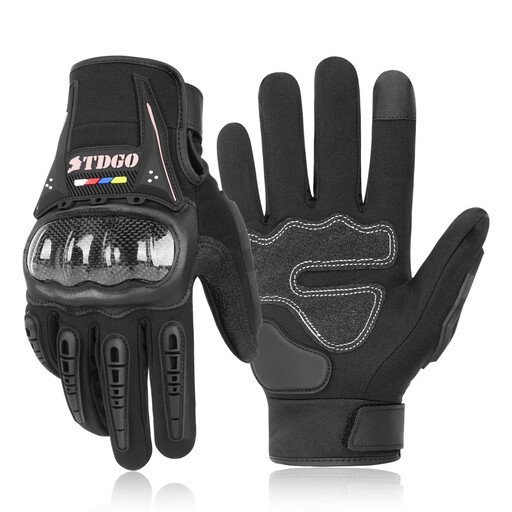
Why It's a Good Fit: These gloves combine protection with functionality. The touchscreen-compatible feature is a significant practical advantage for riders who operate navigation devices or smartphones on the go.
The lightweight polyester fabric with a microporous structure is suitable for a large part of the riding season in most regions. It offers breathability for warmer days without being insufficient in cooler temperatures.
Integrated hard-shell carbon fibre protectors shield the knuckles, while conductive metal fibres on the index finger enable touchscreen operation. The Velcro closure ensures a secure fit.
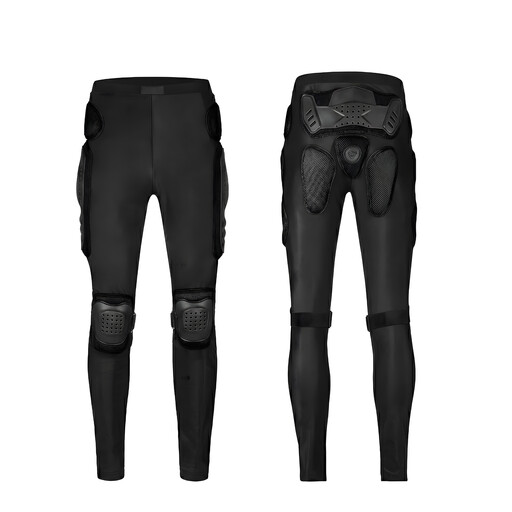
Why It's a Good Fit: These motorcycle trousers with protectors offer a solid entry-point into lower-body protection. They cover high-impact zones like the hips, thighs, and knees, representing a significant upgrade over conventional trousers.
Instead of vague terms, these trousers rely on a clearly defined construction: PE hard shells and shock-absorbing EVA foam pads are fixed onto an elastic mesh fabric in critical areas.
The protectors are integrated into a legging-style construction, ensuring a close and secure fit. The breathable material prevents excessive sweating and increases wearing comfort.
Additional accessories like a crash bar bag to expand storage space or a foldable motorcycle cover to protect the vehicle from the elements can be useful additions to your gear.
Our selection features products curated based on these objective criteria. Discover more items that match your riding style.
1. How do I find the right size for protective clothing online? Measure your chest circumference, waist circumference, and inseam with a measuring tape. Carefully compare these measurements with the manufacturer's sizing chart, which can be found on the product page. A snug fit is crucial to prevent the protectors from shifting. When sizing a jacket, consider what layers of clothing you might wear underneath.
2. Do protectors need to be replaced after a crash? Yes, this is generally recommended. Hard-shell protectors and helmets should be replaced after a crash. Even if no external damage is visible, the internal structure of the material can be compromised by the impact. This can reduce its ability to absorb shock in a future accident.
3. What is the difference between integrated protectors and a separate back protector? Integrated protectors in jackets and trousers are convenient and offer good baseline protection. A separate, strap-on back protector often provides a higher level of protection (frequently Level 2) and a more precise, close-to-body fit, as it sits directly against the back and cannot shift. The choice depends on your personal safety needs and riding style. For sport riding or off-roading, a separate protector is a worthwhile addition.