
Lieferung heute & morgen

Qualitätsgarantie

Willkommens-Angebote freischalten: KOSTENLOSE Lieferung | Bis zu 80 % RABATT | Kostenlose 30-Tage-JoyPlus-Testphase
App herunterladen
Choosing the right motorcycle protective gear is one of the most critical decisions a rider can make. The market offers a bewildering variety of options, but not every product lives up to its promises. Often, well-intentioned marketing claims lead to purchases that later prove to be impractical or inadequate. This guide highlights the critical points to help you identify functional, safe gear and avoid common purchasing traps.
Before diving into models and brands, it's wise to understand the typical pitfalls. Many riders invest in gear that looks impressive at first glance but fails in daily use.
To make an informed decision, you should examine three technical aspects. These parameters are crucial in determining the protective function and comfort of your gear.
The built-in motorcycle protectors are the heart of any protective gear. A basic distinction is made between two types:
A combination of both, often referred to as a hybrid system, can unite the advantages of both materials.
A correct fit is non-negotiable. A motorcycle protector jacket or motorcycle protector pants must fit snugly without restricting freedom of movement. Look for the following features:
Good protective gear must be wearable even in warm weather or during high physical exertion. The following are crucial for this:
Based on the criteria above, we have identified some products that represent a considered choice for specific rider profiles.
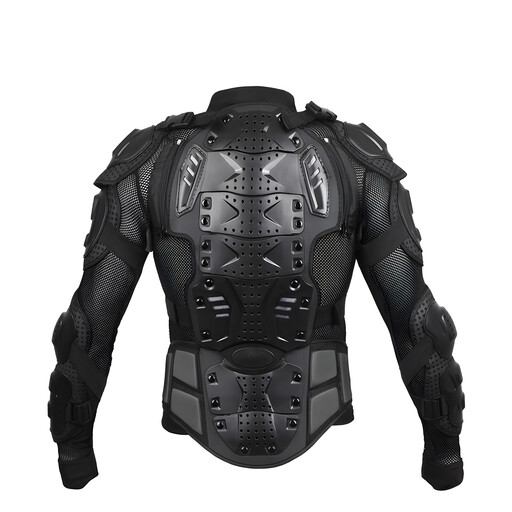
Why this model is a good fit: This model bundles protection for the entire upper body into a single garment. It's ideal for beginners looking for a straightforward and cost-effective solution. It covers the shoulders, elbows, chest, and spine and can be worn under a weatherproof jacket.
The jacket features a wide, elastic kidney belt and adjustable straps on the shoulders and arms. This prevents the protectors from slipping and solves the fit problem. The mesh carrier material counteracts heat build-up.
Comprehensive upper body protection, including an integrated back protector vest, in one product. The chest and back protectors are removable for easy cleaning.
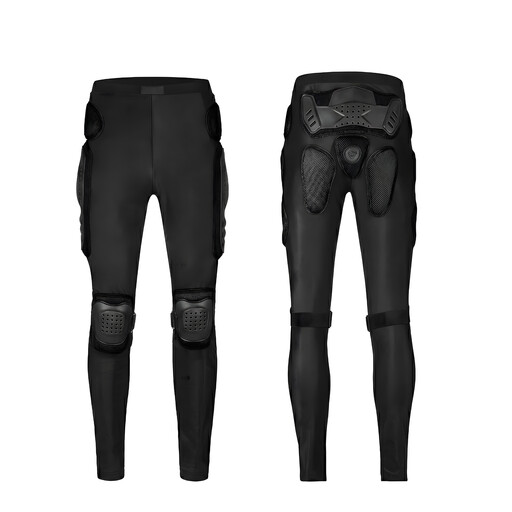
Why this model is a good fit: These motorcycle protector pants are designed for demanding off-road use. They use hard-shell pads to specifically protect the high-impact zones on the hips, thighs, and knees. For off-road riders, where impacts and abrasion are common, this type of protection is essential.
This model addresses the trap of incomplete protection by covering the often-neglected lower body. The protectors are firmly integrated into elastic mesh leggings, which ensures a secure fit while also providing ventilation.
A combination of robust PP hard shells and shock-absorbing EVA foam for targeted protection in high-risk areas. The pants are versatile and can be used for motocross, MTB, or dirt biking.
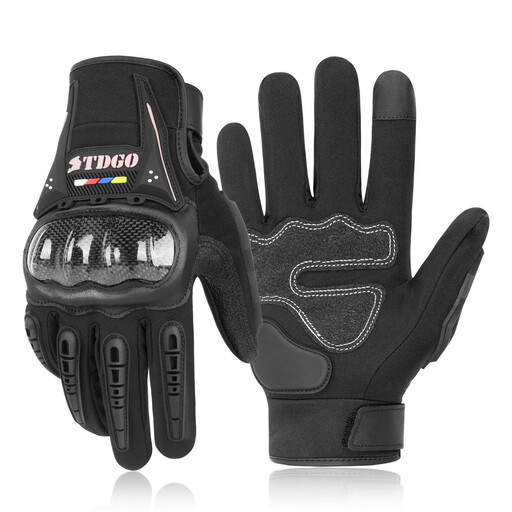
Why this model is a good fit: These motorcycle gloves combine protection with everyday usability. For riders who use their smartphone for navigation or need to stay connected, the touchscreen compatibility is a crucial advantage. You don't have to take the gloves off for every interaction.
These gloves go beyond simple wind protection. Integrated carbon fibre hard-shell protectors over the knuckles provide solid impact protection, thus avoiding the trap of skimping on safety with smaller pieces of gear.
Conductive fibres on the index finger allow for the operation of touchscreens. The Velcro closure at the wrist ensures a secure fit. The lightweight polyester fabric is breathable.
A complete and up-to-date selection of products that meet these criteria can be found in our main category.
How often should you replace motorcycle protectors? As a general rule, protectors should be replaced after any fall or significant impact, even if there is no visible damage. The material structure may be compromised. Regardless of falls, the materials are subject to an ageing process. Check the manufacturer's specifications, but a common recommendation is to replace them after about 5 to 7 years, as plastics can become brittle over time.
Can I wear a protector jacket under my regular jacket? Yes, many models, especially those on a lightweight mesh carrier or a dedicated back protector vest, are designed for exactly this purpose. They are worn as a protective layer directly over functional underwear. Make sure your outer jacket provides enough room so that freedom of movement is not restricted and the protectors remain in their intended position.
What is the difference between Level 1 and Level 2 protectors? These levels refer to the European standard EN 1621, which classifies the shock absorption of protectors. Level 2 protectors must absorb more impact energy than Level 1 protectors, thus transmitting less residual force to the body. They offer a higher level of protection. The choice depends on individual riding style and risk tolerance. For higher-speed riding or off-road use, Level 2 is often recommended.