
Lieferung heute & morgen

Qualitätsgarantie

Willkommens-Angebote freischalten: KOSTENLOSE Lieferung | Bis zu 80 % RABATT | Kostenlose 30-Tage-JoyPlus-Testphase
App herunterladen
As a Joybuy Product Recommendation Officer, my role is to provide you with clear, factual information. When selecting protective gear for motorcycling, motocross, or mountain biking, reliability is paramount. This guide is designed to help you understand how a protector jacket works and make an informed decision based on objective criteria.
The range of protective gear is vast. To make the right choice, you should consider three key aspects that are crucial for your safety and comfort.
The most important function of a protector jacket is to absorb impact energy. In Europe, protectors must meet the EN 1621 standards.
Both standards are divided into two protection levels: Level 1 and Level 2. Level 2 protectors can absorb higher impact energy, thus offering a superior level of protection. Look for these certifications in the product description. A complete upper body motorcycle protector should ideally include chest, back, shoulder, and elbow protectors.
A protector can only be effective if it doesn't shift during a fall. A precise fit is therefore essential. Look for models with a wide range of adjustment options:
Breathability is critical, especially during strenuous activities like enduro riding or downhill mountain biking. A good MTB protector jacket or Enduro protective gear combines robust protective plates with breathable chassis materials.
Based on the criteria above, we have curated a selection of products that stand out for their functional features.
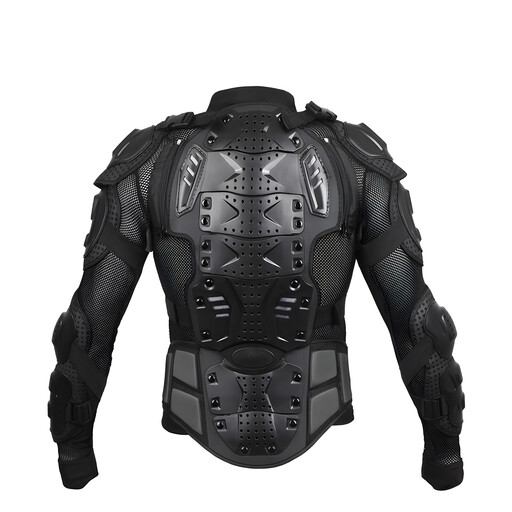
Why it stands out: This model is designed as comprehensive upper body protection. It combines hard-shell protectors on the shoulders, elbows, chest, and back with a flexible chassis. The segmented back plate is articulated to ensure it doesn't restrict freedom of movement while riding.
Benefits:
Who it's for: Riders looking for an all-in-one solution for upper body protection. Suitable for off-road motorcycling, motocross, mountain biking, and other high-impact sports.
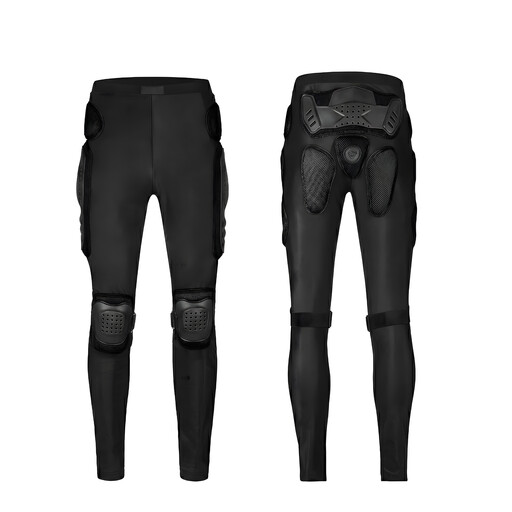
Why it stands out: These motorcycle protective pants complement a protector jacket to create a complete protector set. They focus on protecting the lower body with strategically placed hard shells on the hips, thighs, and knees.
Benefits:
Who it's for: Motocross, dirt bike, and MTB riders who want additional protection for their legs, hips, and knees. They can be worn under loose motocross pants or other durable clothing.
Why it stands out: This model offers the same functional features as the larger version but is specifically tailored for individuals with a smaller frame. A correct size is crucial for protective effectiveness, as it ensures all protectors are positioned correctly.
Benefits:
Who it's for: Adult riders with a slimmer or smaller build who need a fully-featured upper body motorcycle protector for various sports.
If the models presented here don't exactly meet your requirements, or if you are looking for specific Enduro protective gear or individual motocross protectors, you can find more alternatives in our main category.
Explore Our Full Range of Motorcycle Protective Gear
1. Can you wear a protector jacket under normal clothing? Yes, most protector jackets and shirts are designed to be worn as a base layer under another jacket or jersey. Models made primarily of mesh fabric are particularly suitable for this as they are low-profile. Ensure that the clothing worn over it is loose enough not to restrict movement.
2. What is the difference between a protector shirt and a protector jacket? The term motorcycle protector shirt is often used for lighter models where the protectors are integrated into a close-fitting, elastic shirt made of mesh fabric. A protector jacket often has a more robust overall structure, sometimes with a full-length zip and a more pronounced kidney belt. Functionally, the two terms overlap significantly; the key factors are the included protectors and their certification.
3. How do you clean a protector jacket correctly? First, read the manufacturer's care instructions. Typically, the hard-shell and foam protectors can be removed from the pockets of the chassis material. The chassis itself can then usually be hand-washed with a mild detergent in cold water. Let it air-dry and avoid direct sunlight or heat sources to protect the material. The protectors can be wiped clean with a damp cloth.