
Lieferung heute & morgen

Qualitätsgarantie

Willkommens-Angebote freischalten: KOSTENLOSE Lieferung | Bis zu 80 % RABATT | Kostenlose 30-Tage-JoyPlus-Testphase
App herunterladen
Choosing the right motorcycle protector jacket is a fundamental decision for any rider, especially in the off-road sector. The market offers a wealth of options, but not all of them deliver on their promises. Certain design flaws can not only compromise comfort but also reduce protective performance in a worst-case scenario. This guide will help you identify the essential features and avoid common purchasing pitfalls.
A frequent problem is inadequate ventilation. Many jackets look robust at first glance but turn out to be heat traps during physical exertion. The carrier material, often a simple, non-breathable fabric, traps heat and sweat. This quickly leads to overheating and a loss of concentration—a significant safety risk, particularly on demanding routes.
Another critical point is the fit and the securing of the protectors. If the protective pads shift during movement or in the event of a crash, they lose their effectiveness. A jacket whose protectors do not sit firmly on the shoulders, elbows, and back offers only a false sense of security. Therefore, look for models whose fit can be precisely adjusted to your body.
To make an informed decision, you should focus on objective criteria rather than marketing promises. Three parameters are of central importance here.
The most important characteristic of protective equipment is its proven protective performance. In Europe, this is regulated by the EN standards (European Norms). Look for the following labels:
Within these standards, there are two protection levels: Level 1 and Level 2. Level 2 protectors offer higher impact absorption and are therefore the recommended choice for riders who aim for a higher level of protection, especially for motocross protective gear and Enduro protectors.
A high-quality protector jacket combines various materials to ensure protection, flexibility, and climate comfort simultaneously. The outer shells of the protectors are typically made from robust plastics like PE (Polyethylene) or TPU (Thermoplastic Polyurethane), which offer high abrasion and puncture resistance.
Underlying pads made of EVA foam (Ethylene-vinyl acetate) serve for shock absorption. The carrier material of the jacket itself is crucial for comfort. A breathable motorcycle jacket relies on large-area mesh fabrics that allow for continuous air circulation and wick moisture away from the body. This combination prevents heat build-up and ensures a comfortable fit even on long rides.
The best protective effect is only achieved when the jacket fits perfectly. The protectors must cover the body parts to be protected precisely and must not shift. Pay attention to the following features:
Based on the criteria mentioned, we have selected some products from our range that are suitable for different requirement profiles.
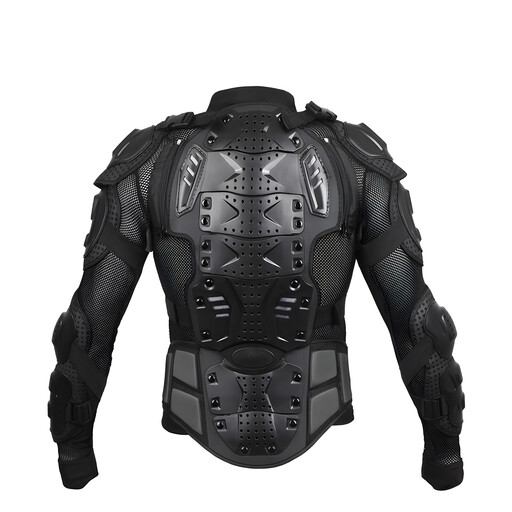
Why This Fits Their Persona: This model is designed for riders in the motocross or enduro scene who require comprehensive upper-body protection. The combination of hard shells and flexible zones allows for a high degree of mobility while providing protection for the chest, back, shoulders, and elbows.
The highly breathable mesh fabric and ventilation openings in the chest area actively counteract heat build-up. Numerous adjustment straps and the wide kidney belt ensure that the protectors do not shift, even during dynamic movements.
Comprehensive protection for the entire upper body in one system. The segmented back protector is removable for increased flexibility and easy cleaning.
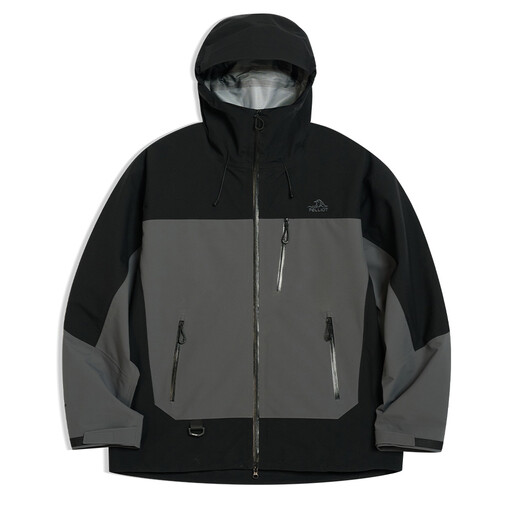
Why This Fits Their Persona: For riders who are out in all weather, a modular system is often the most flexible solution. This hardshell jacket serves as a weatherproof outer layer over a separate motorcycle protector vest. This allows protection and weatherproofing to be combined as needed.
Instead of opting for a compromise, this approach separates the functions: the protector vest provides protection and ventilation, while this jacket specifically shields against wind and rain. According to the manufacturer, the material is storm-proof and waterproof.
High versatility due to its modular design. The jacket is windproof and abrasion-resistant, making it a robust outer layer. High breathability according to manufacturer specifications.
Why This Fits Their Persona: For beginners looking for a straightforward and cost-effective solution, this complete system offers a high level of protection without the need to purchase individual protectors separately. It covers all critical zones and is suitable for various sports.
This model avoids the "false security" trap by offering a fully adjustable fit. The protectors can be securely positioned using the straps and elastic waistband, which prevents shifting and ensures protective performance.
Excellent value for money due to the all-in-one design. The protectors are removable, which significantly simplifies cleaning and maintenance of the jacket.
We have compiled a complete, up-to-date list of products that meet these strict selection criteria and safety regulations.
Yes, many models, especially those with a mesh fabric base layer, are designed to be worn under an abrasion-resistant motorcycle jacket or even a normal, weatherproof jacket. This allows for flexible adaptation to different weather conditions and styles without sacrificing protection.
A protector jacket should fit snugly against the body without restricting movement or creating pressure points. The crucial factor is that the protectors cannot shift during rapid movements or in the event of a crash. Always check the fit of the adjustable straps on the arms and waist, as well as the kidney belt, before riding.
Most protector jackets are easy to clean. First, all removable protectors (hard shells and foam pads) should be taken out. The textile carrier material can then be cleaned according to the manufacturer's instructions, usually by hand washing with a mild detergent in cold water. Allow the jacket to air dry and avoid direct sunlight or heat sources to protect the material.