
Lieferung heute & morgen

Qualitätsgarantie

Willkommens-Angebote freischalten: KOSTENLOSE Lieferung | Bis zu 80 % RABATT | Kostenlose 30-Tage-JoyPlus-Testphase
App herunterladen
The selection of mountain bikes on the market can be overwhelming. From different frame types and wheel sizes to a wide variety of components, making the right choice isn't always easy. As your Joybuy Product Recommendation Officer, my job is to provide you with objective and factual information. This guide is designed to help you understand the features relevant to your needs and make an informed purchasing decision for your next mountain bike.
To find the right all-terrain bike, it helps to understand a few basic technical aspects. The following points focus on the key features that determine the performance and comfort of an MTB.
The frame is the heart of any bicycle. With mountain bikes, a distinction is often made between hardtail and full-suspension models. A hardtail has only a front suspension fork and a rigid rear end. This design is lighter, requires less maintenance, and is often more affordable, making it a great choice for beginners and for rides on forest trails and gravel paths.
Wheel size significantly influences handling. A 26-inch mountain bike is nimble and agile, while larger wheels (27.5 or 29 inches) offer better rollover capability on obstacles and more stability at high speeds. The choice depends on your height and preferred terrain. Models for men's mountain bikes and women's mountain bikes often differ in frame geometry to provide a more ergonomic riding position.
A bike with disc brakes is now standard for off-road riding. A distinction is made between mechanical and hydraulic disc brakes. Mechanical brakes are easier to maintain, while hydraulic systems offer greater and more modulated stopping power, especially in wet conditions. A reliable braking system is essential for safety on the trail.
The drivetrain determines how efficiently you can tackle climbs and accelerate on flat ground. A Shimano drivetrain is considered reliable and is available across many price points. The number of gears is less crucial than the quality and precision of the shifts. For most recreational riders, a system with 7 to 18 gears is more than sufficient.
Besides the classic hardtail, there are specialists like the fatbike. It is characterized by its extremely wide tires, which provide unmatched traction on soft surfaces like sand, snow, or mud. Due to its higher rolling resistance, it is less suitable for everyday rides on firm trails but truly shines in challenging terrain.
Based on the criteria above, we have compiled a selection of models that are well-suited for different types of riders due to their specific features.
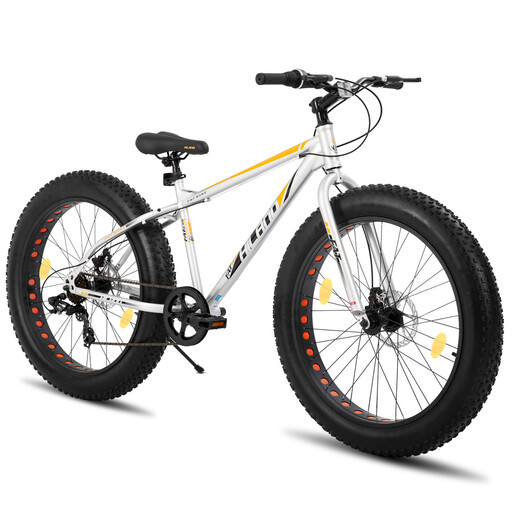
Why it stands out The HILAND Roon is a classic fatbike, and its most striking feature is the 4.0-inch wide tires. This design allows you to ride on surfaces where conventional mountain bikes would reach their limits.
Pros
Who is it for? For adventurers and riders who want to venture off the beaten path and need a bike for demanding conditions like beach rides or winter tours.
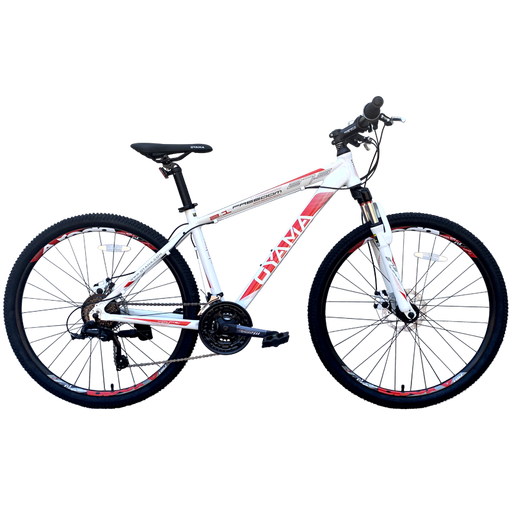
Why it stands out The Oyama Freedom 2.1 combines a lightweight aluminum frame with the superior braking performance of hydraulic disc brakes. This setup makes it an agile and controllable hardtail for versatile use.
Pros
Who is it for? For recreational cyclists looking for a lightweight and versatile MTB for rides on forest paths, gravel roads, and occasional trail adventures. Ideal for anyone who values low weight and powerful braking.
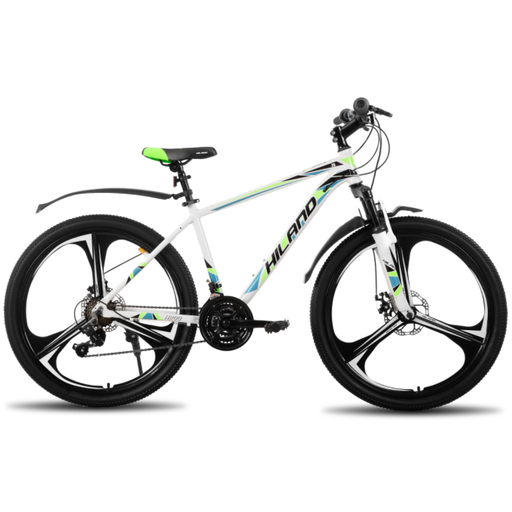
Why it stands out The Hiland H200 Plus offers a solid entry-level package. With its lightweight aluminum frame, an 18-speed drivetrain, and mechanical disc brakes, it's a functional MTB for beginners and budget-conscious buyers.
Pros
Who is it for? For beginners, young riders, and budget-conscious cyclists looking for a reliable 26-inch mountain bike for daily use, light forest trails, and commuting to school or work.
If these recommendations don't include the perfect model for you, you can find more options in our wider selection. Whether you're looking for a different design, a specific component group, or another frame size—there are many more bikes to discover.
Explore our entire selection of sport bikes
An MTB for beginners should have a robust frame (aluminum is a good standard), reliable brakes like mechanical or hydraulic disc brakes, and a straightforward yet functional drivetrain, such as one from Shimano. A hardtail with a front suspension fork is an excellent choice as it is versatile and low-maintenance.
For off-road riding, disc brakes are a significant safety advantage. They provide consistently stronger and more reliable braking performance than rim brakes, especially in wet or muddy conditions, or on long descents. Therefore, they are highly recommended for any bike that will be regularly used off-paved roads.
A hardtail is a mountain bike with suspension only on the front wheel and a rigid rear end. It is a versatile all-rounder for most types of terrain. A fatbike, on the other hand, is a special type of mountain bike distinguished by its extremely wide tires (typically 3.8 inches or wider). These offer maximum traction on soft, loose surfaces like snow, sand, or deep mud, but are slower and more cumbersome on firm ground.