
Lieferung heute & morgen

Qualitätsgarantie

Willkommens-Angebote freischalten: KOSTENLOSE Lieferung | Bis zu 80 % RABATT | Kostenlose 30-Tage-JoyPlus-Testphase
App herunterladen
Selecting the right mountain bike gear is a process that should be based on an analysis of technical specifications and component compatibility. A systematic approach that prioritises protection, function, and material properties is crucial for serious riders. This guide focuses on the objective criteria to consider when assembling your MTB gear.
Performance and safety on the trail depend directly on the quality and features of your equipment. The following parameters serve as a basis for an informed purchasing decision.
A helmet's primary function is protection. Its construction is the decisive factor.
When buying a mountain bike, the core components must be evaluated for their intended use.
Goggles protect the eyes from dirt, branches, and UV radiation, ensuring clear vision.
The following products have been selected based on their technical specifications and functional design for specific areas of application.
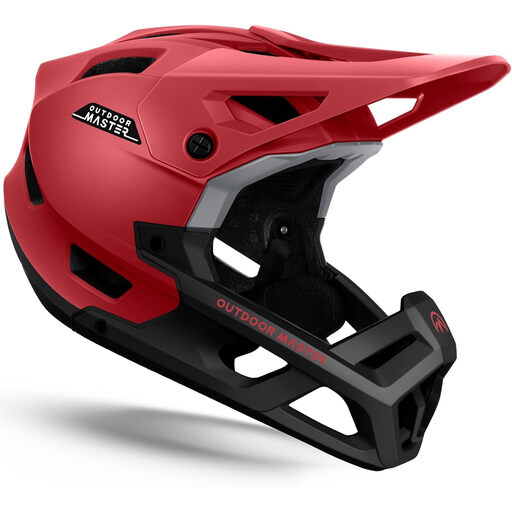
Why We Recommend This Product This helmet combines a robust ABS outer shell with a shock-absorbing EPP inner shell. A key feature is the integrated EPP clavicle protection system, designed to direct impact energy away from the collarbone in the event of a crash. Weighing under 750 grams and featuring 27 ventilation channels, it achieves a high degree of comfort and breathability, which is advantageous on strenuous descents.
Pros
Who It's For Due to its construction and protective features, this model is suitable for riders in downhill, BMX, and aggressive trail riding disciplines who prioritise a high level of protection.
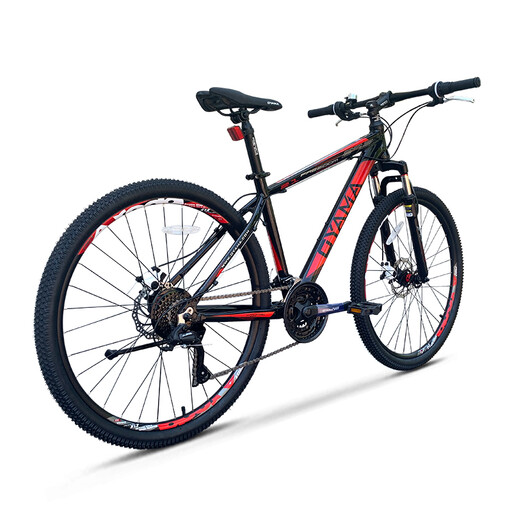
Why We Recommend This Product The Oyama Freedom 2.1 is built on a lightweight yet sturdy aluminium frame. Equipped with a front suspension fork to absorb impacts and hydraulic disc brakes for reliable stopping power, it is a highly functional hardtail. The 27.5-inch wheels offer an excellent balance of agility and roll-over capability, making the bike suitable for both trails and urban environments.
Pros
Who It's For This unisex mountain bike is a solid option for beginners and intermediate riders looking for a versatile hardtail for forest paths, light trails, and everyday use.
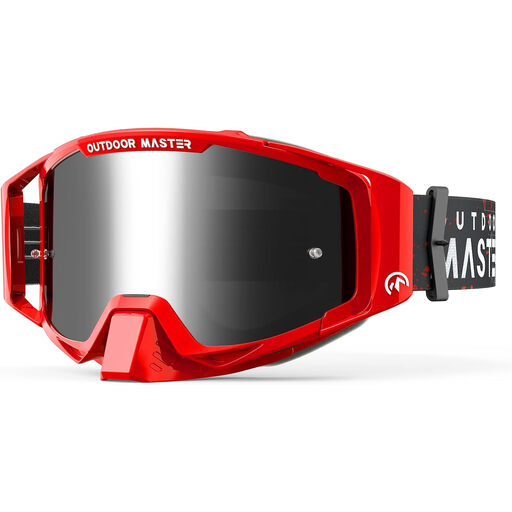
Why We Recommend This Product The key feature of these goggles is their OTG design, making them compatible for eyeglass wearers. The flexible Polypropylene (PP) frame ensures a good fit, while the triple-layer foam padding enhances comfort. The lenses are treated with anti-fog and scratch-resistant coatings and offer 100% UV protection, ensuring clear and protected vision in various conditions.
Pros
Who It's For Ideal for mountain bikers, motocross, or ATV riders who rely on prescription glasses and require functional protective eyewear with reliable ventilation and a clear field of view.
The products presented here cover specific use cases. If you are looking for alternative configurations, sizes, or colour options, such as a red bicycle, our main category offers an expanded selection for further research.
1. What is considered essential mountain bike gear? Basic equipment includes a proper-fitting helmet, gloves, and sturdy, closed-toe footwear. Depending on the discipline (e.g., enduro, downhill), the gear is expanded to include knee, elbow, and back protectors, goggles, and specialised technical apparel.
2. Which type of helmet is suitable for enduro and downhill? For these more demanding disciplines, a full-face MTB helmet is recommended due to the increased risk and higher speeds involved. The integrated chin bar provides crucial additional protection for the face and jaw area, which half-shell helmets do not offer.
3. What does the abbreviation OTG mean for MTB goggles? OTG stands for "Over The Glass." OTG MTB goggles are specifically designed with enough volume to be worn comfortably over conventional prescription glasses. This is achieved through a larger internal frame and side cut-outs in the foam padding.