
Lieferung heute & morgen

Qualitätsgarantie

Willkommens-Angebote freischalten: KOSTENLOSE Lieferung | Bis zu 80 % RABATT | Kostenlose 30-Tage-JoyPlus-Testphase
App herunterladen
Mu-Err mushrooms, also known as wood ear or black fungus, are an essential ingredient in many Asian dishes. Their unique, firm, and slightly cartilaginous texture adds a distinctive element to stir-fries, soups, and salads. However, anyone who has tried to buy dried Mu-Err mushrooms knows the challenges: quality can vary dramatically, and a bad purchase can quickly ruin a dish. Before you add your next pack of dried Asian mushrooms to your cart, you should be aware of the three most common pitfalls.
To avoid these problems, you only need to look at a few crucial product characteristics. These will help you objectively assess the quality of dried Mu-Err mushrooms.
The two most common varieties of black fungus are the Wood Ear (Auricularia auricula-judae) and the Cloud Ear Fungus.
Meticulous processing is essential. Look for products described as "clean" or "low in sand." Another key feature is the cut base or "stem attachment." High-quality mushrooms have a small, barely noticeable attachment point. A large, woody base must be painstakingly removed before preparation and is a sign of less careful sorting.
The choice between whole mushrooms and pre-cut slices is a matter of personal preference and time management.
Based on these objective criteria, we have curated a selection of products suitable for different needs and cooking styles.
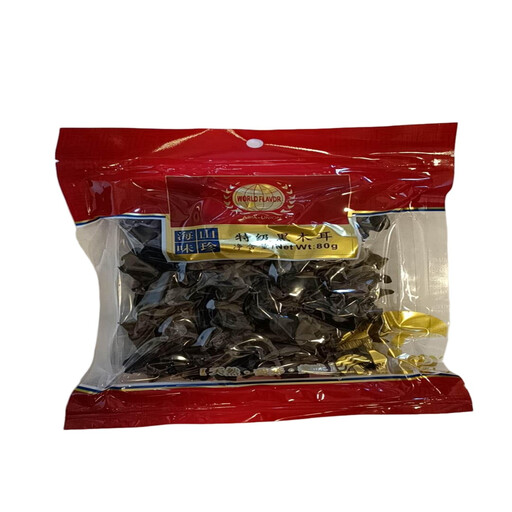
Why This Fits Their Persona: This product is a reliable all-rounder for daily Asian cooking. It's equally suited for stir-fries, soups, and salads, offering consistent quality for home cooks seeking a versatile ingredient.
The mushrooms rehydrate reliably to a crisp texture, avoiding the problem of leathery, tough results. The processing ensures minimal impurities.
Excellent ability to absorb flavours; versatile enough for a wide range of dishes.
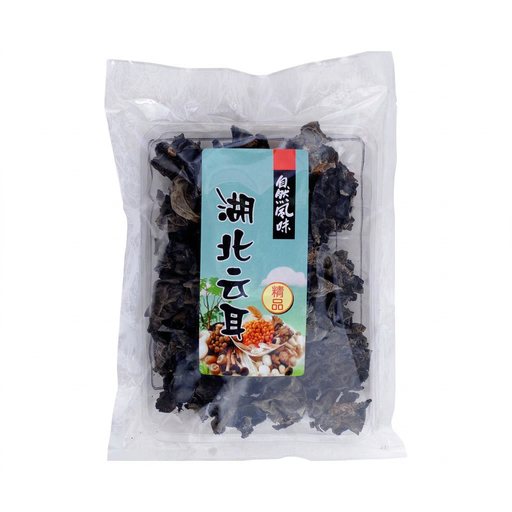
Why This Fits Their Persona: Ideal for cooks specifically seeking the delicate, thin texture of Cloud Ear fungus. It's perfect for authentic Chinese salads and dishes where the mushroom's texture is the star.
This product solves the 'variety mix-up' by explicitly being the 'Cloud Ear' variety from the renowned Hubei growing region. You get exactly the fine texture you expect.
Thin, delicate texture with excellent rehydration properties; considered a specialty for connoisseurs.
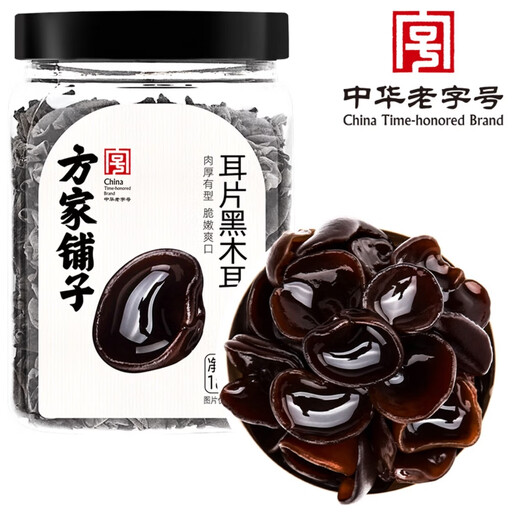
Why This Fits Their Persona: For anyone who loves the taste and texture of Mu-Err mushrooms but has little time for preparation. The pre-cut slices are ready to use immediately after soaking.
The high rehydration rate and thick flesh of the slices prevent a leathery result. Clean processing minimises the risk of sand and saves additional time on washing.
Maximum time savings during preparation; uniform pieces for even cooking.
We have compiled a complete, up-to-date list of products that fully meet these strict selection criteria and all relevant regulations.
Correct preparation is crucial for the texture. Soak the required amount of dried mushrooms in plenty of cold or lukewarm water for 30–60 minutes. Hot water can speed up the process, but if soaked for too long, the mushrooms can develop a slimy consistency. After they have rehydrated, the mushrooms should be rinsed thoroughly under running water to remove any residue. Cut off the hard, woody base, if present. Important: Mu-Err mushrooms must always be cooked before consumption, even for cold salads. Briefly blanching them in boiling water for 1–2 minutes is sufficient for this purpose.
Both belong to the same genus but are different varieties with distinct textural differences. The Wood Ear is meatier, larger, and has a firmer bite. The Cloud Ear is smaller, thinner, and has a more delicate, almost crisp texture. For salads and quick dishes, Cloud Ear is often the better choice, while Wood Ear shines in stews and braises.
When stored correctly, dried Mu-Err mushrooms have an extremely long shelf life. Keep them in an airtight container in a cool, dry, and dark place. This protects them from moisture and direct sunlight. Under these conditions, they can maintain their quality for many months, often for 1 to 2 years. You can find the exact best-before date on the respective product packaging.