
Lieferung heute & morgen

Qualitätsgarantie

Willkommens-Angebote freischalten: KOSTENLOSE Lieferung | Bis zu 80 % RABATT | Kostenlose 30-Tage-JoyPlus-Testphase
App herunterladen
A mud kitchen is more than just a toy; it's a gateway to creative and sensory learning outdoors. Children can experiment to their heart's content with sand, water, and soil, which develops their motor skills and understanding of nature. However, several pitfalls lurk when making a purchase, which can quickly turn a promising investment into a source of frustration. Many products simply don't withstand the rigours of weather and enthusiastic play. This guide will show you what to look for to make a durable and safe choice.
Before you make a decision, it's important to know the most common flaws, which often only become apparent after a few weeks of use.
To avoid the problems mentioned above, you should focus on a few crucial technical parameters when making your selection. These features determine the play table's durability, safety, and practical value.
The cornerstone of a long-lasting outdoor play table is the material. A wooden mud table should ideally be made from solid wood, which is naturally more robust. Look for a weather-resistant glaze or pressure treatment, which protects the wood from moisture, UV radiation, and pests. For the play tubs, durable, food-grade plastic is the right choice. It should be flexible enough not to break and easy to clean.
Your child's safety is the top priority. Check that all corners and edges of the table are rounded to prevent injuries. The construction must ensure a stable footing and not tip over, even during more boisterous play. A good sand and water table features removable tubs that are easy to empty and clean. An additional storage shelf under the tubs provides practical space for moulds, shovels, and other toys.
A high-quality children's sand table is more than just a seasonal item. Models with a matching cover can transform the messy play area into a flat surface for playing or crafting in an instant. This allows the table to be used in all weather—outdoors for mud play in the summer and indoors for creative projects in the winter. This flexibility often justifies a slightly higher purchase price, as you are essentially getting two pieces of furniture in one.
Not every household has the same needs. Here are some recommendations tailored to different user profiles.

Why it's a great fit: This roba play table is specifically designed for playing with sand, water, and mud in the garden or on the balcony. It provides a robust and safe environment for sensory discoveries.
The construction from weather-resistant glazed solid wood prevents warping and rot. The stable build and the removable plastic tub overcome the pitfalls of instability and lack of functionality.
Multifunctional: In winter, it can be used as an indoor craft table. The storage shelf under the tub creates additional space.
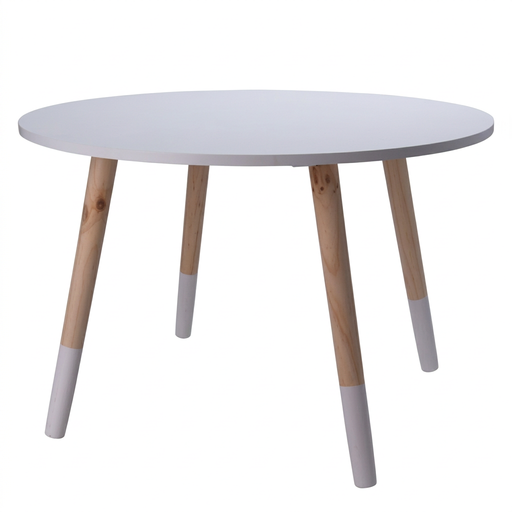
Why it's a great fit: For families seeking a durable and stable base for creative indoor activities. Ideal as a drawing, crafting, or study table when the weather doesn't permit outdoor play.
This model avoids the trap of flimsy indoor play tables. Its robust wooden construction provides a reliable and safe surface that withstands daily use, unlike wobbly plastic alternatives.
The easy-to-clean surface can be wiped down effortlessly after painting or crafting. Its timeless two-tone design blends well into living rooms or children's bedrooms.
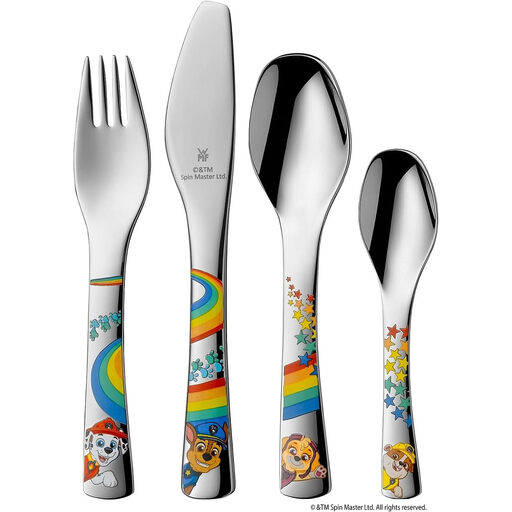
Why it's a great fit: An ideal complement to transition role-play from the mud kitchen to reality. Children learn to handle cutlery that is child-friendly yet high-quality.
Instead of fragile or clumsy plastic cutlery, this set offers a durable and safe alternative. It prevents the frustration that can arise from unsuitable eating utensils and promotes independence.
Crafted from Cromargan 18/10 stainless steel, the cutlery is robust, hygienic, and dishwasher-safe. The ergonomic shape and safety features (blunt tines, slightly serrated blade) are perfectly suited for children's hands.
We've compiled a complete, up-to-date list of products that fully meet these strict selection criteria and safety regulations.
1. From what age is a mud table suitable? A mud table is generally suitable for children from around 18 months, as soon as they can stand safely and independently. At this age, they begin to actively explore their sensory skills. It is important that play, especially with water, always takes place under adult supervision.
2. How do I properly care for a wooden mud table? To ensure the longevity of a wooden table, it should be cleaned regularly. Remove coarse dirt after play and wipe the surfaces dry. It is recommended to refresh the weather-resistant glaze once a year, before the start of the garden season, with a wood preservative suitable for children's toys.
3. Can a sand and water table also be used on a balcony? Yes, especially more compact models like the roba 'Tiny' play table are well-suited for use on a balcony. Ensure that the balcony has adequate drainage and that the load capacity is not exceeded when the tubs are filled with water or wet sand. For safety reasons, the water should always be emptied after play.