
Lieferung heute & morgen

Qualitätsgarantie

Willkommens-Angebote freischalten: KOSTENLOSE Lieferung | Bis zu 80 % RABATT | Kostenlose 30-Tage-JoyPlus-Testphase
App herunterladen
Muesli bars are a practical choice for school, the office, your commute or a snack after training. At the same time, many products look more alike at first glance than they really are. Terms such as “wholegrain”, “no added sugar” or “protein” can suggest a particularly balanced choice, but on their own they reveal little about the overall recipe.
A bar may contain no added table sugar and still provide a high amount of carbohydrates through glucose syrup, glucose-fructose syrup or other sweetening ingredients. That is why the information in the nutrition table is so important, particularly the figures for “carbohydrate” and “of which sugars” per 100 grams and per portion.
Sweeteners and sugar substitutes also deserve attention. Products containing maltitol or other polyols may have a laxative effect if consumed to excess. The corresponding warning on the packaging should be observed.
A cereal bar weighing 20 to 40 grams can look fairly moderate in the nutrition table. For comparison, however, it is useful to look at the figures per 100 grams. This makes it easier to assess a chocolate cereal bar, a fruit bar and a protein bar alongside one another.
For example, according to the product information, a Corny Milk Dark & White Cereal Sandwich Bar contains 129 kcal and 10.5 grams of sugar per 30-gram bar. This is specific portion information, but it does not mean that the bar is a substitute for a complete meal.
“Contains wholegrain” describes one ingredient or component; it does not automatically mean that wholegrain makes up most of the product. If you are specifically looking for an organic muesli bar, check the relevant organic certification and the ingredients list. For allergies or intolerances, the allergen list is also essential, as many bars contain wheat, oats, barley, milk, soya, peanuts or nuts.
The ingredients are listed in descending order by weight. If syrups, sugar or chocolate ingredients appear near the top, the product is more likely to be a sweet snack bar than a simple cereal portion. With low-sugar bars, you should look at the amount of polyols and fibre as well as the sugar content.
For everyday use, consider the following:
A high protein content does not automatically make a bar suitable for every situation. Your needs depend on your overall diet and your individual daily routine.
A single bar or six-pack is suitable for occasional snacking. A multipack with 24 individual portions can be practical for families, offices or frequent users, but it takes up more cupboard space and should be stored somewhere dry and protected from heat. The best-before date and the instructions on the relevant packaging remain decisive.
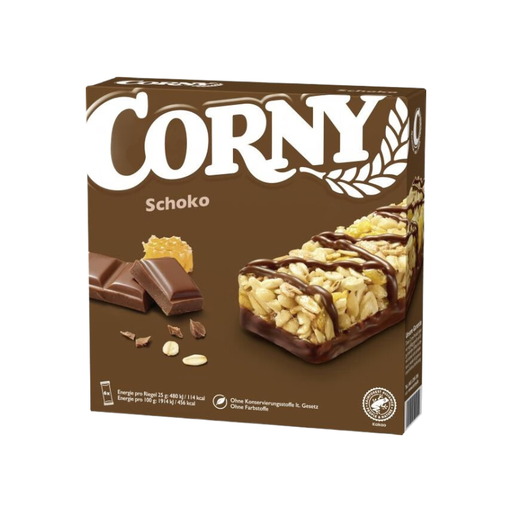
Why this product suits the profile: The six-pack contains individually wrapped 25-gram portions for lunchboxes, commutes or a quick break.
The portion size is clearly stated. With 34.1 g of sugar per 100 g, the bar is better suited to a sweet snack than a low-sugar option.
25 g per bar, 6 individual portions and a clear chocolate flavour with cereal ingredients.
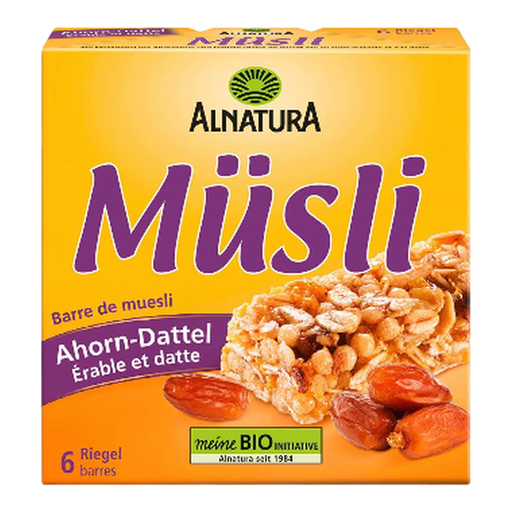
Why this product suits the profile: The recipe combines oats, 11% maple syrup and 9% dried dates. According to the product description, the bars are vegan and contain ingredients from organic farming.
The organic positioning is easier to verify through the labelled ingredients. Nevertheless, the nutrition table lists 23 g of sugar per 100 g.
Six individually wrapped 25-gram bars, with dates and maple syrup as distinctive ingredients.
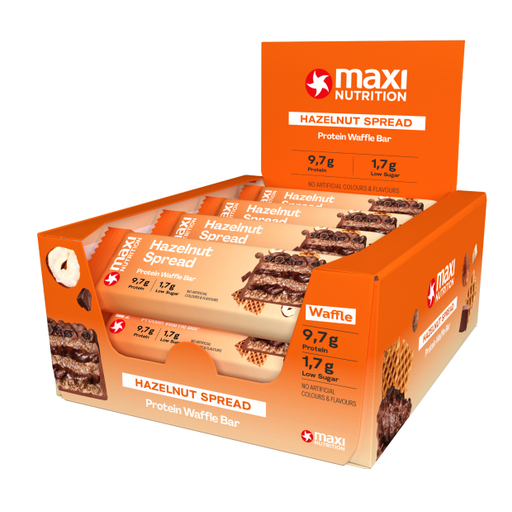
Why this product suits the profile: This protein bar is aimed at people who want a defined portion with a higher protein content for everyday use or after exercise.
The protein content is clearly stated: 25 g per 100 g, or 9.7 g per 39-gram bar. Maltitol may have a laxative effect if consumed to excess.
12 individual bars, 202 kcal per 39-g portion according to the product information, and a hazelnut chocolate flavour.
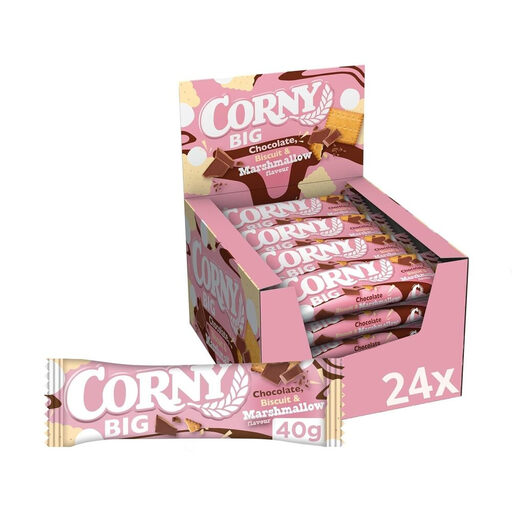
Why this product suits the profile: The multipack contains 24 individually wrapped 40-gram portions for households, teams or regular muesli bar users on the go.
The large pack should not be confused with a low-sugar recipe: it contains 31.1 g of sugar per 100 g. Allergens such as wheat, barley and milk should be carefully noted.
24 bars weighing 40 g each, combining cereals, chocolate, biscuit pieces and marshmallows.
For a fruitier flavour, fruit bars such as the Corny Chocolate & Banana Cereal Bar or Balisto Yoberry Forest Berry are worth considering. However, both also contain sweetening ingredients and should be assessed based on their nutritional values.
If you want to buy muesli bars online, you will also find reduced-sugar or sugar-free options. According to the product information, Corny Free Chocolate No Added Sugar contains 2.4 g of sugar per 100 g, but is sweetened with maltitol. With products containing no added sugar, it is therefore always important to consider the full ingredients list.
For a protein-focused choice, Frankonia products are available alongside Maxi Nutrition. Frankonia CHOCOLAT POWER MOTION provides 30 g of protein per 100 g and contains milk and soya ingredients. If you have allergies, check the labelling on the packaging.
We have put together a complete, regularly updated list of products that fully meet these strict selection criteria and the safety regulations applicable in the EU.
That depends on the recipe and the rest of your diet. Many bars are relatively light and mainly provide carbohydrates. For a more complete breakfast, you could add yoghurt, fruit or other filling ingredients, for example. The portion size and energy content should suit your individual circumstances.
The best-before date is printed on the packaging. Unopened bars should be stored somewhere dry and cool, away from direct sunlight. Once individual wrappers have been opened, it is best to eat the bars promptly, particularly if heat or moisture has affected their texture.
Individually wrapped bars weighing 20 to 40 grams are easy to keep in a bag, schoolbag or desk drawer. Smaller multipacks are convenient for occasional use. Families, offices and regular users can choose a 12- or 24-pack, but should compare allergens, sugar levels and the best-before date before buying.