If fibre is your main priority at Sunday breakfast, compare muesli and crunchy cereals per 100 g first, then check the figures for your usual bowl size. According to Seitenbacher’s product information, two muesli varieties contain 11 and 12 g of fibre per 100 g respectively; Nestlé lists 6.4 g per 100 g for the Cini Minis included in this comparison. Sugar levels, ingredients and allergen labelling may also influence your choice.
Who is this comparison for?
Anyone comparing fibre content
You’re choosing muesli or cereal for Sunday breakfast and want to know how much fibre there is per 100 g and in the portion you actually eat. These figures answer different questions: the first makes it easier to compare products, while the second reflects the amount in your bowl.
Families who love crunchy cereals
Taste and crunch come first for your family. To compare a cinnamon-flavoured cereal with muesli, look at the ‘of which sugars’ figure and the ingredients as well as the fibre content.
Anyone who needs to check allergens
If you need to avoid certain ingredients, the words ‘muesli’ or ‘cereal’ aren’t enough. Check the ingredients list and allergen labelling on the specific pack, particularly for cereals, nuts, soya or relevant ‘may contain’ warnings.
What should you look for when buying?
When comparing dry breakfast cereals, use the figures per 100 g as your starting point. Then check how much you actually put in your bowl and whether the sugar content and ingredients meet your needs.
Muesli with a focus on fibre
A good choice if: Fibre per 100 g is your priority and you’d like a muesli made with a variety of ingredients. Seitenbacher lists 12 and 11 g per 100 g respectively for the two varieties compared here.
Bear in mind: The two recipes differ in their sugar content. Depending on the variety, cereals containing gluten, soya or nuts may also be relevant.
Crunchy cinnamon cereal
A good choice if: You’re after a cinnamon flavour and a crunchy texture. Nestlé lists 6.4 g of fibre per 100 g for the Cini Minis compared here.
Bear in mind: Nestlé also lists 24 g of sugar per 100 g for this recipe. If you have allergies, check the labelling on the current pack.
| Criteria |
What to check when buying |
Who it matters most to |
| Fibre |
Compare fibre per 100 g, then take your usual bowl size into account, as suggested serving sizes can vary between manufacturers. |
I want to know how much fibre my usual portion provides, rather than just comparing what’s printed on the packs. This is the main consideration when buying for around 50% of consumers. |
| Sugar and taste |
Check ‘of which sugars’ per 100 g and the ingredients list; wholegrain and fibre claims don’t replace this comparison. |
I want our Sunday breakfast to be crunchy, but I also want to make an informed choice about the sugar content. Around 30% of consumers place most importance on this balance. |
| Ingredients and allergens |
Read the current ingredients list, highlighted allergens and any ‘may contain’ warnings on the specific pack. |
If I need to avoid certain ingredients, I only decide after checking the pack. Checking ingredients and allergens is the main purchasing concern for around 20% of consumers. |
Common comparison mistakes
-
Assuming wholegrain means low in sugar
Wholegrain content, fibre and sugar are different things. Nestlé lists 6.4 g of fibre and 24 g of sugar per 100 g for the Cini Minis compared here; Seitenbacher lists 11 g of fibre and 20 g of sugar per 100 g for its roasted high-fibre muesli.
When comparing products in the same breakfast category, check both fibre and ‘of which sugars’ per 100 g, then take a look at the ingredients.
-
Comparing only the manufacturer’s suggested serving
The suggested servings aren’t the same size: Seitenbacher uses 40 g for the muesli varieties compared here, while Nestlé uses 30 g for the Cini Minis. So serving figures alone aren’t directly comparable.
Start with the figures per 100 g, then adjust them to the amount you usually eat.
-
Relying on an old product description if you have allergies
Ingredients and allergen warnings can change when a recipe is updated. Nestlé notes that old and new recipes may be on sale at the same time for a while.
Check the ingredients and allergen labelling on the pack you’re planning to buy. If you need to avoid ingredients because of an allergy or coeliac disease, make sure the current labelling meets your individual needs.
Brands to help you compare
These brands offer examples of different types of product. Your choice should be based on the information for each specific recipe, not just the brand name.
Seitenbacher
Two muesli varieties provide specific figures for comparing fibre, sugar and serving sizes.
- According to Seitenbacher, Müsli Ballaststoff & Frucht contains 12 g of fibre per 100 g, while Müsli ‘Die geröstete Ballaststoffquelle’ contains 11 g per 100 g.
- The sugar content differs between the two varieties: Seitenbacher lists 9 and 20 g per 100 g respectively. Check the ingredients and allergens for each variety separately.
Nestlé / Cini Minis
These crunchy cinnamon cereals offer a different flavour from muesli.
- Nestlé lists 33% wholegrain and 6.4 g of fibre per 100 g for the Cini Minis compared here.
- The same recipe contains 24 g of sugar per 100 g. If you have allergies, check the labelling on the current pack.
Kellogg's
The brand offers a point of comparison if you’re considering classic breakfast cereals as well as muesli.
- You can compare products individually by looking at their ingredients and nutritional information.
- Don’t assume a particular product’s fibre content from the brand name; check the information on its pack.
familia
The brand has several muesli ranges, including oat-based recipes.
- bio-familia describes c.m.plus Original as a crunchy oat-based muesli.
- To compare fibre content, you’ll need the nutritional information for the specific variety you’ve chosen.
Products for different breakfast preferences
This selection of Joybuy products includes individual breakfast flakes, crunchy muesli and cinnamon-flavoured cereals. Compare the information per 100 g on the pack, and if you have allergies, pay particular attention to the ingredients of the specific variety.
 No image available
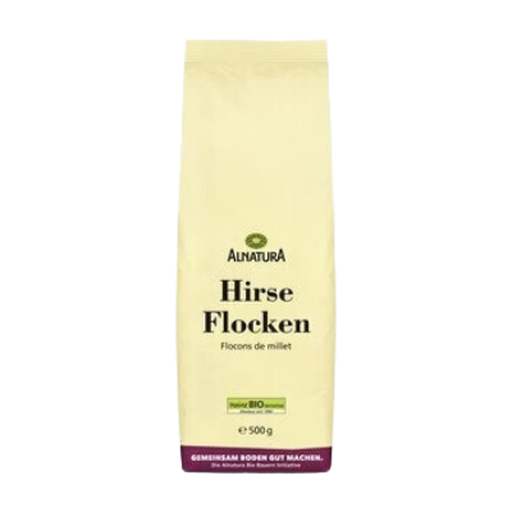
Alnatura Organic Millet Flakes, 500 g
For a breakfast with millet flakes, where you can choose the other ingredients yourself. Compare fibre and sugar using the current nutritional information; if you have allergies, check for any ‘may contain’ warnings too.
View at Joybuy
 No image available
Jeden Tag grobe Haferflocken, 500 g
A good option if you’d like to make your own breakfast with coarse rolled oats. Use the figure per 100 g to compare fibre, and check the current allergen labelling if needed.
View at Joybuy
 No image available
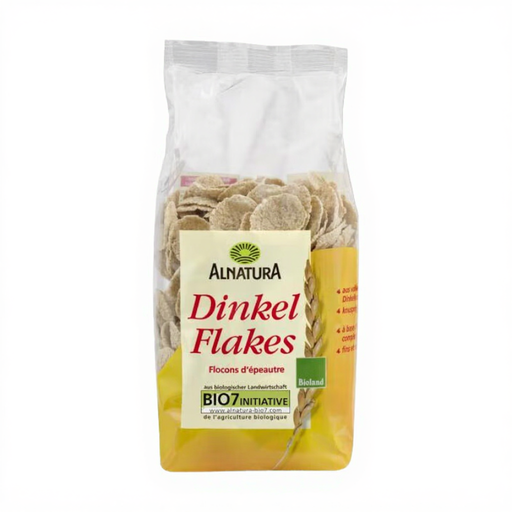
Alnatura Organic Spelt Flakes, 200 g
For a breakfast with cereal flakes in a 200 g pack. The allergen information for this product is inconsistent, so if you need to avoid certain ingredients, check the contents on the pack itself before buying.
View at Joybuy
 No image available
Jeden Tag Less Sweet Crunchy Oat Muesli, 750 g
For anyone who fancies crunchy muesli for Sunday breakfast. Check the sugar content per 100 g on the pack to see what ‘Less Sweet’ means, and if you have allergies, check the ingredients and any ‘may contain’ warnings.
View at Joybuy
 No image available
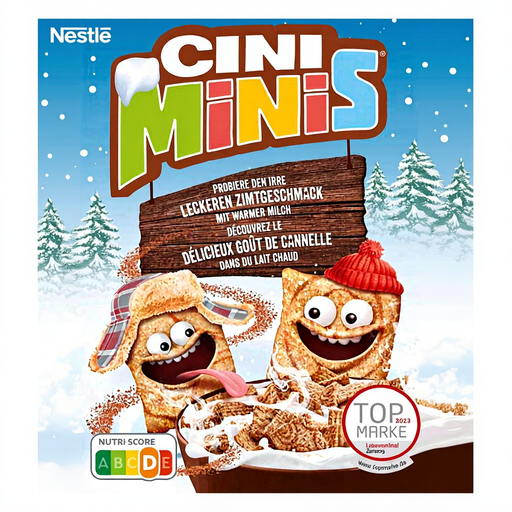
Nestlé Cini Minis cinnamon cereal, 375 g
An option if you’re after cinnamon cereal rather than muesli. Check the fibre, sugar and serving size for this 375 g pack on the label; the information may differ for other Cini Minis recipes.
View at Joybuy
Frequently asked questions
Should I compare muesli and cereals per serving or per 100 g?
First compare the nutritional information per 100 g, then take your actual serving into account. EU nutrition labelling uses 100 g as the reference amount, while manufacturers’ suggested servings can vary in size.
Is ‘wholegrain’ enough if fibre matters to me?
No. Check the specific fibre content per 100 g. Nestlé lists 33% wholegrain and 6.4 g of fibre per 100 g for the Cini Minis compared here, while Seitenbacher lists 11 and 12 g per 100 g respectively for the two mueslis compared here.
How do I check allergens in breakfast cereals?
Read the ingredients list, highlighted allergens and any ‘may contain’ warnings on the current pack. Muesli and cereals can differ considerably in their ingredients, including cereals, nuts, soya and milk; an old online description is no substitute for the labelling on the specific recipe.


