
Lieferung heute & morgen

Qualitätsgarantie

Willkommens-Angebote freischalten: KOSTENLOSE Lieferung | Bis zu 80 % RABATT | Kostenlose 30-Tage-JoyPlus-Testphase
App herunterladen
Whether it’s for your morning coffee, a tea break at the office, a glass of water with a meal, or entertaining guests: mugs and drinking glasses differ significantly in material, capacity, care requirements and intended use. An attractive product image alone tells you very little about how well they’ll perform in daily life.
Typical buying mistakes come down to three things:
The selection below will help you categorise ceramic mugs, coffee cups, tea cups, coffee tumblers, drinking glasses and plastic cups according to objective criteria.
Ceramic and porcelain are often ideal for coffee, tea, hot chocolate and milky drinks. A mug with a handle is comfortable to hold with hot drinks, while a thick-walled coffee tumbler can keep the heat in for longer. Glass lets you see the colour and layers of a drink, but is generally prone to breakage.
Soda-lime glass is a common material for drinking glasses. It should not be confused with heat-resistant borosilicate glass. For the Tin'Eau Tall Tumbler 38 cl, for example, it is explicitly stated that sudden temperature changes of more than 60 °C should be avoided.
Plastic, such as PP or PS, is lightweight and practical for parties, outdoor use or households where breakage is a concern. Before buying, you should check whether the specific plastic cup is approved for hot drinks, the microwave and the dishwasher. These details cannot be assumed from the material name alone.
The most commonly searched sizes – drinking glass 300 ml, mug 330 ml and mug 380 ml – cover different habits:
Alongside the volume, also consider the diameter and height. A tall glass tumbler may not fit under every water dispenser or into every kitchen cupboard.
A microwave-safe mug should be explicitly labelled as such. Metallic details, certain decorations or additional components can restrict its use. Even with a dishwasher-safe mug, it’s worth checking the care instructions: matt glazes can become scratched by abrasive cleaners, and wooden lids should generally not be soaked.
With damaged mugs and glasses, remember: cracks, chips or sharp edges are a reason to stop using the vessel. With glass, you should also avoid hard knocks and thermal shock.
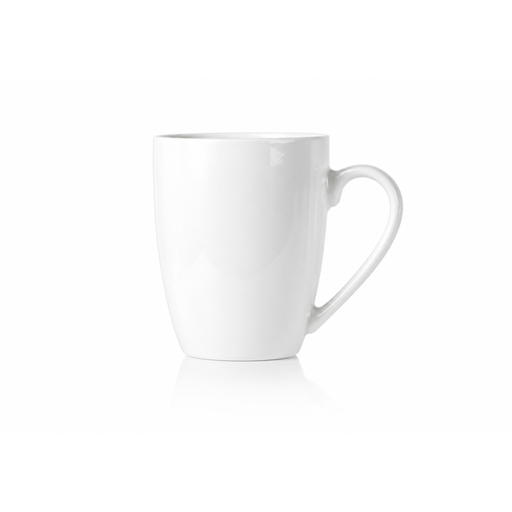
Why this product fits the profile: This single ceramic mug with 330 ml is aimed at buyers looking for a versatile vessel for the office, breakfast and coffee breaks.
The stated capacity is clearly defined. According to the product description, the mug is suitable for the dishwasher and microwave; nevertheless, you should follow the specific care instructions.
Ceramic material, 330 ml capacity and classic handle; a single piece for personal use.
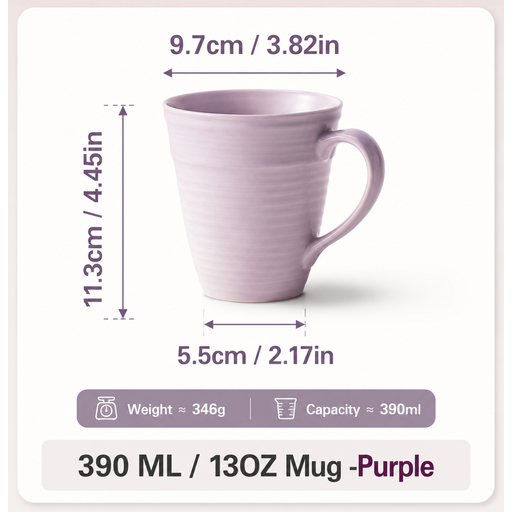
Why this product fits the profile: This 390 ml ceramic cup combines a larger volume with a matt glaze and is suitable for coffee, tea and hot chocolate at home or in the office.
The product description states the material, volume and microwave and dishwasher suitability. With the matt surface, you should avoid abrasive sponges.
390 ml capacity, stoneware or ceramic according to the product information, and a matt purple glaze.
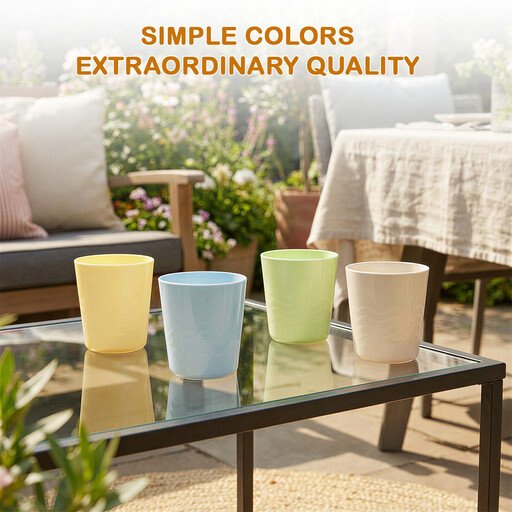
Why this product fits the profile: This set of 4 with 300 ml each is ideal for families, offices, parties or buyers who need several drinking vessels for daily use.
According to the information, the set contains four cups made from PP plastic. The material is therefore clearly stated; details about suitability for hot drinks or the microwave should be checked separately before purchase.
Four pieces, each 300 ml, made from lightweight PP plastic; suitable for water and juice at home.
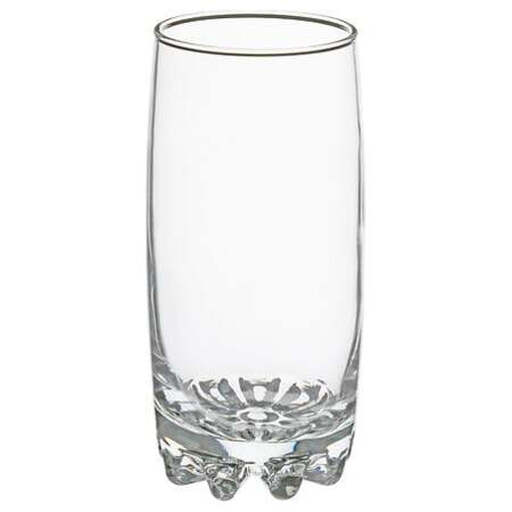
Why this product fits the profile: This transparent glass tumbler with 385 ml is suitable for water, juice, iced tea and cold drinks in everyday life or when entertaining guests.
The product information states soda-lime glass and dishwasher and microwave suitability. At the same time, it warns against boiling water and strong temperature changes.
Transparent glass, 385 ml usable volume and high visibility of the drink; suitable for cold drinks and careful warming according to the product information.
We have put together a complete, regularly updated list of products that fully meet these strict selection criteria and the safety regulations in force in the EU.
For many everyday situations, 330 ml is a practical middle ground. If you prefer larger milky coffees, tea portions or hot chocolate, you can choose a mug with 380 to 390 ml. For short espresso-based drinks or small teas, 160 to 200 ml is sufficient.
No. The suitability must be stated for each individual product. With decorations, metallic trims, wooden lids or delicate glazes, there are often additional restrictions. Before use, you should also check for cracks, chips and other damage.
That depends on the use. Ceramic is suitable for coffee and tea, but can break if knocked. Glass offers a clear appearance, but is also prone to breakage. Plastic cups are lightweight and practical for on-the-go or high-traffic areas. The specific material and care information for each product is what really matters.