
Lieferung heute & morgen

Qualitätsgarantie

Willkommens-Angebote freischalten: KOSTENLOSE Lieferung | Bis zu 80 % RABATT | Kostenlose 30-Tage-JoyPlus-Testphase
App herunterladen
A multi-cooker promises to revolutionise your daily kitchen routine: cooking, frying, steaming, and braising all in a single appliance. This not only saves counter space but also time and energy. However, not every model lives up to its advertising claims. Before you make a purchase, it's crucial to understand the common pitfalls that can quickly turn a handy helper into an unused dust collector.
As your Joybuy Product Recommendation Officer, I'm here to help you navigate the marketing jungle and make an informed decision.
Many appliances boast a long list of features, but the reality is often quite different. Watch out for these three weaknesses to avoid a bad purchase.
Some multi-function cookers list over a dozen programs, but the performance behind them is poor. A common issue is an underpowered heating element, which makes proper searing impossible. The result is more like steaming than searing. Likewise, the slow cooker function is often just a simple low-temperature setting without precise regulation, leading to unevenly cooked food.
A high-quality non-stick coating is essential for easy cleaning. However, cheaply made coatings can start to peel off after just a few months, especially with frequent use or when using metal utensils. This not only makes cooking a chore but also raises questions about the material's durability and safety.
An appliance designed to save time shouldn't create a new challenge when it comes to cleaning. Fixed lids, hard-to-reach seals, or countless small parts can turn cleanup into a test of patience. A good all-in-one cooker should be easy to disassemble and ideally have dishwasher-safe parts.
To find the right multi-function cooker for your needs, you should focus on a few crucial technical parameters.
The volume of the inner pot is a key criterion. Use the number of people you regularly cook for as a guide:
The choice of material affects both the cooking experience and the appliance's longevity:
A good multi-cooker is more than just an upgraded rice cooker. Check which functions are relevant to your daily routine. An electric pressure cooker drastically shortens cooking times, while an integrated steamer allows for the gentle preparation of vegetables. Models with an air fryer function offer additional versatility but often require special lids or inserts. The power, specified in watts, determines how quickly the appliance heats up—an important factor for functions like searing or pressure cooking.
Here are some recommendations tailored to different requirements and households.

Why this model is a great fit: With a 1.6-litre capacity and a compact design, this cooker is ideal for small kitchens, dorm rooms, or the office. It's designed for simple dishes like noodles, soups, or stews, making it perfect for beginner cooks.
This appliance avoids the overloaded "all-in-one" promise. It focuses on basic cooking functions like boiling and simmering and performs them reliably.
The non-stick coating makes cleaning incredibly easy. Safety features like boil-dry protection and automatic shut-off provide extra peace of mind during a hectic day.
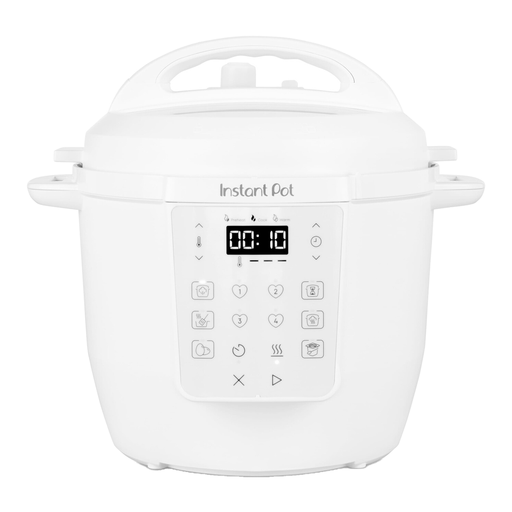
Why this model is a great fit: The Instant Pot is an established name, known for its reliable performance as an electric pressure cooker and slow cooker. At 5.7 litres, it's ideal for families or weekly meal prep. It's proven to save time and energy.
This model bypasses the short-lived coating pitfall with a robust stainless steel inner pot. It's durable, dishwasher-safe, and excellent for searing.
The 7-in-1 functionality is field-tested and reliable. Cleaning is straightforward thanks to dishwasher-safe parts (pot, lid), fitting perfectly into a busy lifestyle.
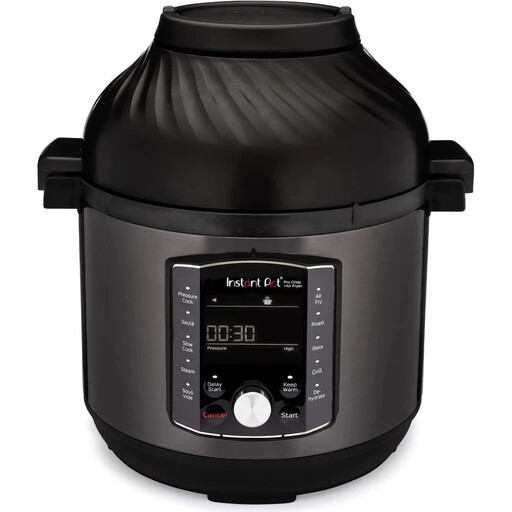
Why this model is a great fit: With a 7.6-litre capacity and an added air fryer function, this appliance is designed for demanding users. It combines pressure cooking with the ability to finish foods with a crispy texture—ideal for large roasts or french fries.
Instead of offering a compromised all-in-one solution, this model uses two separate, specialised lids for pressure cooking and air frying. This ensures optimal performance for each function.
The high-quality stainless steel inner pot with a tri-ply base ensures excellent heat distribution for searing. The EvenCrisp technology delivers crispy results with up to 95% less oil.
We've compiled a complete, up-to-date list of products that fully meet these strict selection criteria and all relevant safety regulations.
A multi-cooker is generally more energy-efficient than a conventional oven or cooking on multiple hobs. The sealed, insulated cooking chamber results in less heat loss. The pressure cooking function, in particular, significantly reduces cooking time and thus energy consumption. According to manufacturer data, some models can save up to 80% energy compared to traditional cooking methods.
Both materials have their merits. Stainless steel is the choice for durability and high temperatures, ideal for searing meat. It is resilient and dishwasher-safe. A non-stick coating excels in easy cleaning and when preparing delicate foods like fish or eggs that tend to stick. The decision depends on your cooking habits and your priority (durability vs. convenience).
Yes, but the quality of the sear depends heavily on the model. Look for sufficiently high power (wattage) and a stainless steel inner pot. Models with a flat, thick base (like a tri-ply bottom) distribute heat more evenly and achieve better searing results than appliances with thin aluminium pots. Low-wattage units often don't get hot enough for a true Maillard reaction.