
Lieferung heute & morgen

Qualitätsgarantie

Willkommens-Angebote freischalten: KOSTENLOSE Lieferung | Bis zu 80 % RABATT | Kostenlose 30-Tage-JoyPlus-Testphase
App herunterladen
A multi-cooker can combine a rice cooker, electric cooking pot, slow cooker and pressure cooker in one appliance. However, models vary considerably in capacity, controls, heating power and safety features. If you focus only on the number of programmes or a high wattage rating, you could end up buying an appliance that does not suit the way you cook day to day.
A figure such as “6 litres” often refers to the total capacity of the inner pot. The actual usable volume may be lower. The Cecotec Programmable Cooker Model D, for example, is described as having a 6-litre inner volume, while its usable capacity is given as 5 litres. When pressure cooking, the pot must not be filled to the brim either.
The following therefore matters when choosing:
“10-in-1” or “multifunction” does not automatically mean that every cooking method works equally well. An electric multi-cooker with a gentle heat setting is suitable for soups, porridge and stews, but not necessarily for high-heat searing. A rice cooker with a steaming basket is designed for rice, grains and steamed food. An air fryer, meanwhile, uses circulating hot air and is not a substitute for a cooking pot containing liquid.
You should therefore focus on the functions you actually need:
For appliances that use steam or pressure, the safety details should be clear from the product description and instructions. These may include overheating protection, boil-dry protection, automatic switch-off, a secure lid lock or a child lock. With an induction hob, only cookware with magnetic properties is suitable.
Regardless of the model, place the appliance on a stable, heat-resistant surface, keep ventilation openings clear, and do not touch hot surfaces or escaping steam. With a pressure cooker, do not open the lid until the pressure has been fully released.
Do not compare only the litre capacity. Consider the footprint and weight as well. A 1.6-litre mini cooker will fit in a student room or office, whereas a 4-litre rice cooker requires considerably more space. In Germany, mains-powered appliances should be compatible with 220 to 240 volts and the local socket.
For portable appliances, the power source is crucial. A camping cooker may run on gas, in which case you will need the correct cartridge. For example, the gas canister is not included with the Fire Maple Cooking System. Indoor use has different requirements from outdoor applications.
A non-stick coating makes it easier to remove rice, pasta and stews. It is not, however, a licence to use metal utensils or abrasive cleaners. Use wooden or silicone utensils and allow the pot to cool before cleaning. Electrical base units, mains plugs and cables must not be immersed in water.
Removable inner pots, detachable lid components and dishwasher-safe parts are all useful features. Even so, check the relevant instructions, as not every component is suitable for the dishwasher.
A kitchen appliance with a timer can make your daily routine easier, for example when preparing rice in advance or slow-cooking a meal. However, a 24-hour delay timer is only sensible if the food being used can be stored safely for that length of time. The keep-warm function should not be confused with unlimited food storage either.
Touch controls, rotary dials and voice functions vary in terms of everyday practicality. With imported models, check whether the instructions are available in German and whether spare parts or customer service can be accessed.

Why this product suits the profile: With a compact 1.6-litre capacity and 600 watts of power, this appliance is aimed at individuals, students and small kitchens. It can prepare dishes including noodles, soups and stews.
The capacity is clearly designed for individual portions. Automatic switch-off and boil-dry protection are listed as safety features.
Compact design, 600 watts, non-stick coating and simple one-button operation.
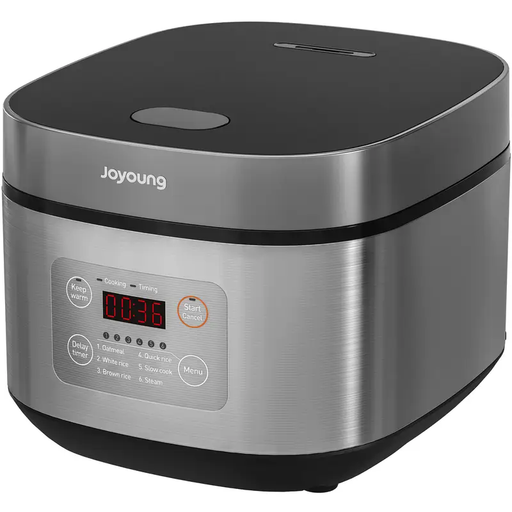
Why this product suits the profile: The 4-litre inner pot is designed for several portions. Six programmes, a steaming basket and a keep-warm function support regular family cooking.
The available functions are clearly specified: rice, porridge, steaming, slow cooking and quick rice. This makes it easier to match the appliance to your actual needs.
24-hour timer, 12-hour keep-warm function, LED display and removable components.
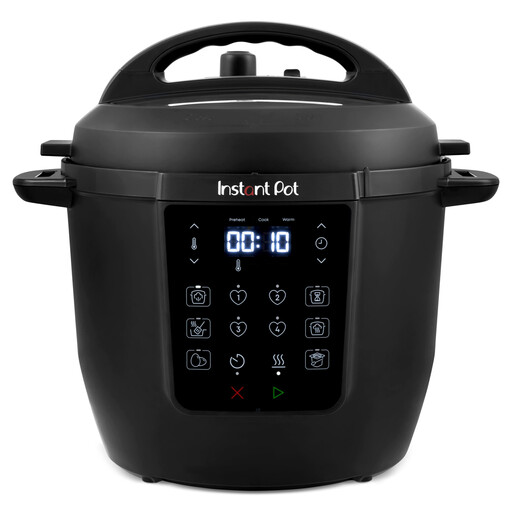
Why this product suits the profile: This 5.7-litre appliance combines pressure cooking, steaming, searing, slow cooking and keeping food warm.
The pressure function is combined with a lockable lid, steam outlet and several specified safety features. The pressure rules in the instructions remain decisive.
7-in-1 functionality, 5.7-litre capacity and dishwasher-safe components according to the product description.
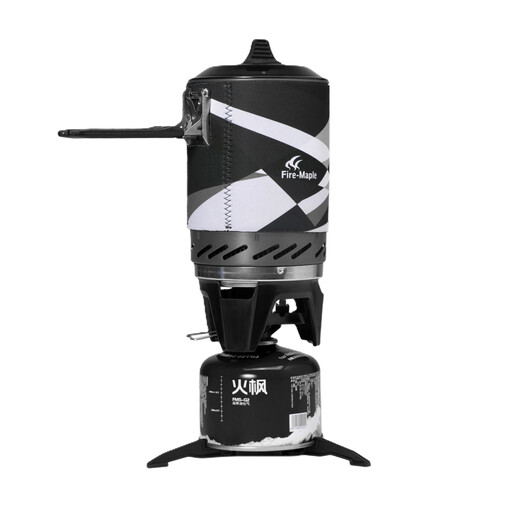
Why this product suits the profile: This integrated outdoor cooking system is designed for solo trips, hiking, fishing and camping. It can be packed away in the 1-litre pot to save space.
Its intended use is clearly limited to outdoor activities. Important: the isobutane gas canister required is not included, according to the description.
Nesting design, 1-litre pot and a wind-protected heat-exchanger system for meals on the go.
We have put together a complete, regularly updated list of products that fully meet these strict selection criteria and the safety regulations applicable in the EU.
For two people, 1.6 to 2.6 litres is often sufficient, depending on whether you are preparing individual portions only or also cooking extra for later. A small electric cooking pot saves space, while a 4-litre rice cooker offers more room for preparing several meals.
The cost depends on the power rating, cooking time and electricity tariff. An appliance rated at 600 watts uses 0.6 kilowatt-hours when operated for one hour. A 1,000-watt model uses 1 kilowatt-hour over the same period. The wattage alone is therefore not the deciding factor. You should also consider how long the appliance actually runs and whether it switches off automatically.
That depends on its design. Removable inner pots, detachable lids and non-stick coatings make cleaning easier. Do not use metal utensils and do not immerse the electrical base unit in water. With pressure appliances, seals, valves and lids must be cleaned and fitted correctly according to the instructions.