
Lieferung heute & morgen

Qualitätsgarantie

Willkommens-Angebote freischalten: KOSTENLOSE Lieferung | Bis zu 80 % RABATT | Kostenlose 30-Tage-JoyPlus-Testphase
App herunterladen
A multi-cooker can combine a rice cooker, slow cooker, steamer and electric cooking pot in one appliance. This saves worktop space and can make everyday cooking easier. However, appliances vary considerably in their pressure-cooking function, temperature control, ease of cleaning and usable capacity.
If you focus only on the number of programmes or eye-catching claims, it’s easy to end up with an appliance that doesn’t suit your household. The criteria below will help you compare models objectively and avoid common buying mistakes.
The term “7-in-1 multi-cooker” doesn’t mean the same thing from every manufacturer. Some programmes are simply preset time and temperature settings. An appliance with rice, keep-warm, steaming and slow-cooking functions works differently from a model with a genuine pressure cooker system.
Before you buy, check:
The stated capacity usually refers to the volume of the pot, not the amount you can use for every type of cooking. Rice, soups and pressure-cooked dishes often have lower fill limits. For households with several people, it’s also important to consider how many portions you regularly cook.
As a rough guide:
Always follow the maximum fill level in the instruction manual. In particular, don’t fill the pot to the brim when cooking liquids or foods that foam.
A multi-cooker is only practical for everyday use if the lid, seals, inner pot and steam vent are easy to clean. A non-stick coating can make cleaning easier, but you’ll need to use suitable kitchen utensils. Stainless steel is durable and often dishwasher-safe, but food may stick more, depending on the dish.
Also look for:
An electric multi-cooker with a slow-cooking function generally cooks at low temperatures over longer periods. A rice cooker, by contrast, focuses on cooking rice, keeping it warm and sometimes steaming. A steamer needs a separate water compartment and is particularly suited to vegetables, fish or pasta.
If you want to brown food, look for a clearly stated sauté or searing function. An appliance designed only for slow cooking shouldn’t automatically be used as an electric frying pan. An air fryer multi-cooker also includes an additional air-frying lid or a special basket, as well as a different temperature range.
Before you buy, measure the available space on your worktop. As well as width and depth, a multi-cooker needs clearance from walls and wall cabinets so that steam can escape safely. Its weight and cable length may also matter in everyday use.
A mini multi-cooker with a capacity of around two to four litres is often easier to fit in. For family multi-cookers, pot size, ergonomic handles and easy access to the inside are more important than the most compact design.
For appliances with a pressure-cooking function, a locking lid, controlled steam release and overpressure protection are essential. For standard electric cooking pots, relevant features include overheat protection, automatic shut-off and a clearly visible steam valve.
Hot surfaces and escaping steam can cause burns. Place the multi-cooker on a stable, heat-resistant surface and don’t move it while it’s in use. Always follow the safety instructions provided by the manufacturer.
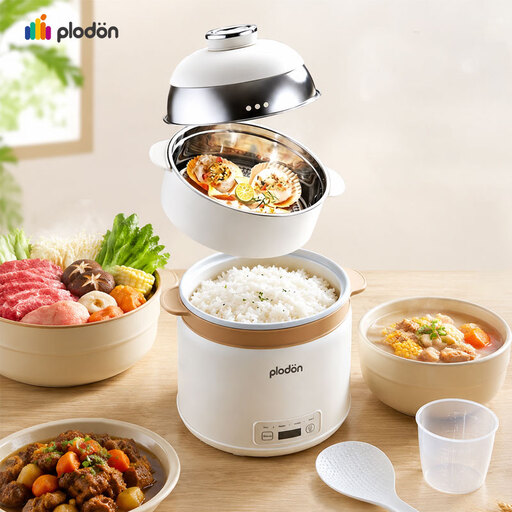
Why this product suits this profile: This 2.3-litre model has touch controls, rice, soup, porridge and steaming functions, and is suitable for one to three people.
Its clearly stated functions and 2.3-litre capacity make its intended use clearer than a vague “all-in-one” claim.
Compact design, steaming basket, automatic keep-warm function and coated inner pot.
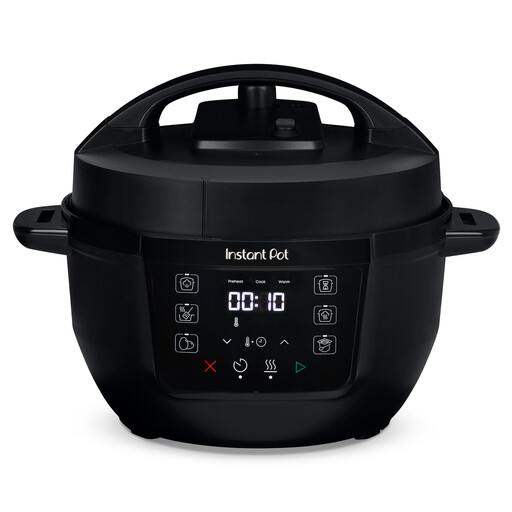
Why this product suits this profile: This compact appliance combines pressure cooking, slow cooking, searing, steaming, egg cooking, yoghurt making and keeping food warm.
Pressure cooking is listed as a separate cooking method. The locking lid and steam release address key safety requirements.
3.8-litre inner pot, stainless steel components according to the product information, and dishwasher-safe parts according to the manufacturer’s description.
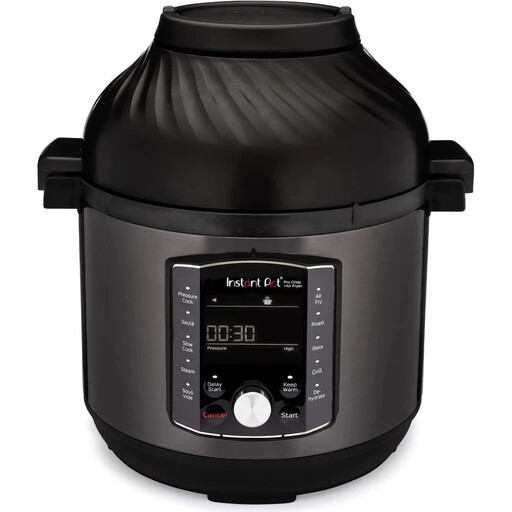
Why this product suits this profile: Two removable lids let you pressure-cook and air-fry in one appliance. Its large capacity is designed for families, meal prep and cooking larger quantities.
The different lids and cooking methods are clearly distinguished. This makes it easier to decide whether you really need pressure cooking and crispy air frying.
7.6-litre capacity, a temperature range of 21 to 232 °C according to the manufacturer, and dishwasher-safe components according to the product description.
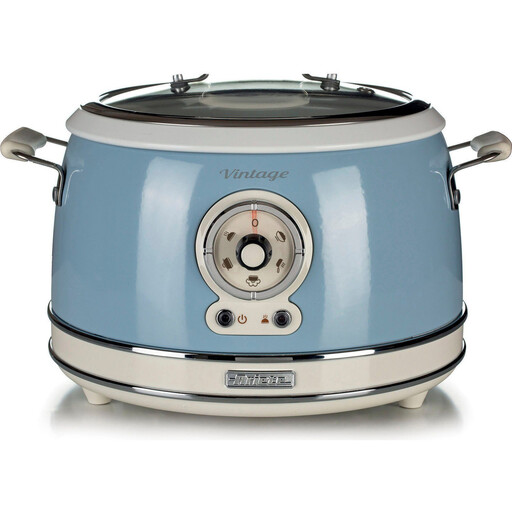
Why this product suits this profile: Its five functions—cooking rice, steaming, frying at 160 °C, slow cooking and keeping food warm—cover everyday meals.
Its functions are clearly named rather than described only in general terms as multi-purpose. The 3-litre bowl also helps set realistic expectations about the amount it can cook.
650 watts, a glass lid with a steam vent, an additional steaming container and an inner pot that is oven-safe up to 200 °C according to the product information.
We’ve put together a complete, regularly updated list of products that meet these strict selection criteria and fully comply with the safety regulations in force in the EU.
It depends on how you use it, its power rating, cooking time and the quantity you prepare. One appliance can replace several separate ones and save worktop space. Actual electricity consumption depends on the wattage and how long it runs. A short cooking time doesn’t automatically mean lower consumption if the appliance uses a lot of power.
Its lifespan depends on how often you use it, how you clean it, the coating and the availability of replacement parts. Seals, non-stick coatings and valves may wear out sooner than the casing. Remove food residue after each use and clean the steam vent and seal according to the instructions. Don’t continue using damaged cables, lids or seals.
Some models can do both, at least in part. A multi-cooker with dedicated rice-cooking and slow-cooking functions can handle both jobs. However, a basic electric cooking pot without precise temperature control won’t necessarily replace a slow cooker. Before you buy, check that the dishes you want to make and the programmes actually available match the product description.