
Lieferung heute & morgen

Qualitätsgarantie

Willkommens-Angebote freischalten: KOSTENLOSE Lieferung | Bis zu 80 % RABATT | Kostenlose 30-Tage-JoyPlus-Testphase
App herunterladen
A multi-cooker can combine pressure cooking, steaming, searing, slow cooking and keeping food warm in one appliance. Depending on the model, it may also include an air fryer, rice cooker or electric hot pot. This saves worktop space and can make everyday cooking easier – as long as the appliance suits your household, the quantities you cook and the space you have available.
Many disappointing purchases aren’t due to a lack of features, but to unclear product information. A long list of programmes tells you little about how easy an appliance is to clean, whether the pot will work on your hob or how much food it can actually hold.
A 6-litre container doesn’t automatically offer 6 litres of cooking space. When pressure cooking, you need to leave room for safety; the maximum fill level is especially important for certain foods such as pulses and rice. A stated capacity of 5 to 7 litres can be a good choice for a family. Singles and couples can often manage with a compact multi-cooker holding between 1.8 and 3.8 litres.
“Multifunctional” might mean pressure cooking, braising, steaming, making yoghurt and keeping food warm. However, an air fryer is only built in if the appliance comes with a suitable heating attachment or lid. If you want to make crispy food, look specifically for an air-frying function and check which accessories are included.
A slow cooker also works differently from a pressure cooker: slow cooking uses a low temperature over a longer period, while pressure cooking can reduce cooking time. An electric multi-cooker with both modes is more versatile, but takes up more space and requires more accessories.
With a pressure cooker or steam cooker, a lid that closes properly, a pressure indicator and controlled steam release are essential. Never open the lid while pressure remains inside. Check the sealing ring, valve and lid regularly, following the instructions for use.
Also check which parts are dishwasher-safe. A removable inner pot makes cleaning easier. Coated pots need suitable kitchen utensils, while uncoated stainless-steel pots generally require different care.
The external dimensions matter just as much as the internal capacity. A large appliance needs enough clearance beneath wall cabinets, particularly if steam escapes upwards during cooking.
A traditional induction-compatible pressure cooker is heated on the hob. Its base must be specifically suitable for induction. Stainless steel alone isn’t enough to confirm this. Claims such as “suitable for gas, electric, ceramic and induction hobs” refer to the base of the pot, not to a built-in electrical connection.
An electric multi-cooker, on the other hand, has its own heating element and plugs directly into a socket. It can be used independently of the hob, but needs a dry, stable place to sit and a suitable EU electrical configuration.
Stainless steel 18/10, 18/8 or 304 describes the composition or grade of the stainless steel used for a particular component. A non-stick coating can make cleaning easier, but shouldn’t be treated with metal utensils or abrasive cleaners. For appliances with an air-frying attachment, the basket size, temperature range and care instructions for the coating are all worth checking.
Product claims such as “up to 70 per cent faster” or “up to 95 per cent less oil” come from the manufacturer. These figures depend on factors including the recipe, starting temperature, quantity and comparison method, so they shouldn’t be taken as a general guarantee.
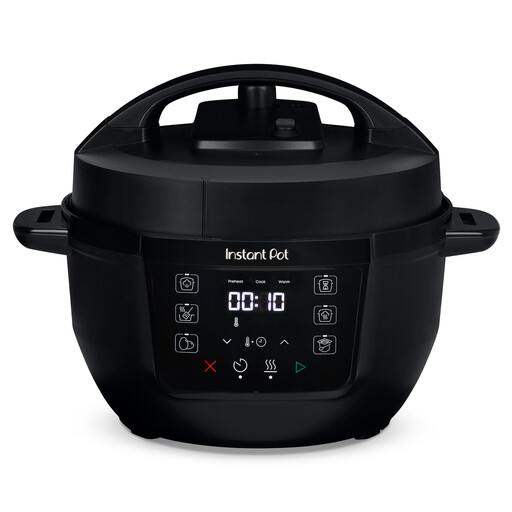
Why this product suits this profile: Its compact size makes it a good fit for singles and couples. According to the product description, it offers seven functions, including pressure cooking, slow cooking, searing, steaming and keeping food warm.
The stated capacity and compact dimensions make it easier to choose an appliance for a small kitchen. According to the product description, the removable stainless-steel inner pot is dishwasher-safe.
3.8-litre capacity, seven cooking modes and an automatic keep-warm function.
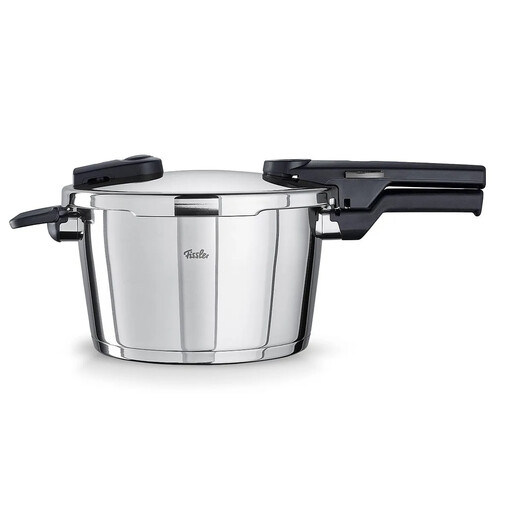
Why this product suits this profile: This traditional pressure cooker is a good choice if you’re looking for a robust stainless-steel model to use on your existing hob.
The manufacturer specifies 18/10 stainless steel, two cooking settings and compatibility with induction hobs. A locking indicator helps you check the lid before pressure cooking.
4.5-litre capacity, Superthermic base and removable handle.
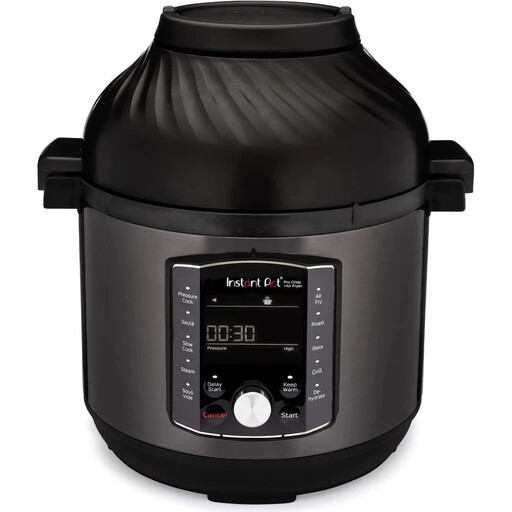
Why this product suits this profile: Ideal for families, meal prep and anyone who enjoys crispy food, this model combines pressure cooking and air frying with two removable lids.
The two lids make it clear which function you’re using. According to the product description, the inner pot and certain accessories are dishwasher-safe.
7.6-litre capacity, a temperature range of 21 to 232 °C according to the product information, and a pot compatible with several types of hob.
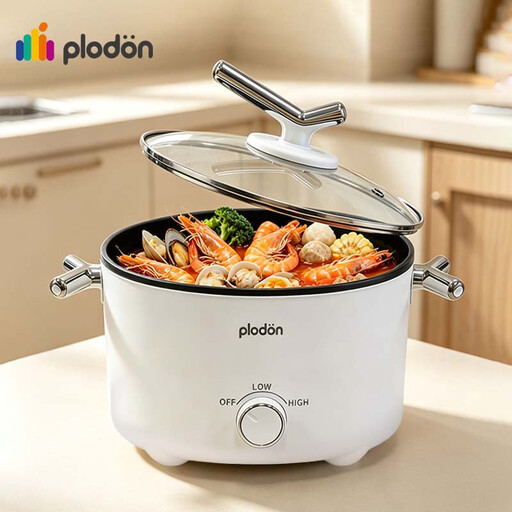
Why this product suits this profile: This appliance is aimed at students, singles and people with small kitchens who want to make noodles, soup, porridge or simple one-pot meals.
The two heat settings and glass lid are designed for straightforward cooking. Its compact size means it won’t take up more worktop space than necessary.
2.0-litre capacity, 1000-watt power and a removable power cable according to the product description.
We’ve put together a complete, regularly updated list of products that meet these strict selection criteria and fully comply with the safety regulations in force in the EU.
A multi-cooker is usually an electric appliance with several programmes, such as pressure cooking, slow cooking, steaming and keeping food warm. A traditional pressure cooker is used on the hob and is designed for cooking under pressure. A multi-cooker can therefore be more versatile, while a hob-top model takes up less worktop space.
For several people, a stated capacity of 5 to 7.6 litres is usually practical. The permitted fill level for each programme is what matters most. A capacity of 2 to 4 litres is often enough for two people or a small kitchen. If you regularly batch cook, also consider the size of the inner pot and how much storage space you have.
Energy use depends on the appliance’s power, cooking time, quantity of food and programme. Pressure cooking can reduce cooking time compared with traditional methods, but that doesn’t mean every recipe will use less electricity. To get a realistic idea, check the wattage, actual running time and information in the instructions for use.