
Lieferung heute & morgen

Qualitätsgarantie

Willkommens-Angebote freischalten: KOSTENLOSE Lieferung | Bis zu 80 % RABATT | Kostenlose 30-Tage-JoyPlus-Testphase
App herunterladen
A multi-function cooking pot for small households can prepare rice, soup, porridge, pasta and steamed sides, while saving worktop space. Options range from a classic mini cooking pot to an electric hot pot and an automatic rice cooker. However, product specifications aren’t always easy to compare.
Three common buying misconceptions often lead to the wrong choice:
Before you buy, decide whether you’re looking for a hob-top pot or an electric appliance.
An enamelled cast-iron pot with a capacity of around 1.3 litres is suitable for a single serving of porridge, soup or a small stew. If it’s listed as compatible, you can also use this type of pot as an induction cooking pot. However, you’ll need a separate hob, and it won’t have automatic keep-warm or timer functions.
A small casserole pot retains heat for relatively long periods. That can be useful for slow cooking, but it usually means a heavier pot. In a very small kitchen, its diameter, handle design and storage requirements are therefore important considerations.
A rice cooker for 1 to 4 people is a good choice if rice is a regular feature on your menu. Depending on the model, you may also get programmes for porridge, soup, cake or steaming. A multi-function rice cooker needs less attention while it’s running than a pot on the hob.
For electric appliances, 220–240 volts and 50/60 hertz are relevant specifications for German households. You should also look for automatic shut-off, a keep-warm function and straightforward controls.
An electric hot pot with a separate steaming tier can cook noodles, eggs and soup, as well as steam ingredients, all in one appliance. This type of appliance is a good option for students, couples and people living in small flats. Look for a stable design, an easy-to-reach temperature control and cleaning instructions that make clear the electric base must not come into contact with water.
For one person, a capacity of less than a litre may be enough if you mainly cook rice or a small side dish. A 1.3-litre pot is better suited to a serving of soup or porridge, or a small stew. For two to four people, 2.4 to 4 litres is usually more practical. A 5-litre appliance gives you more capacity, but takes up considerably more storage space and is often heavier.
A ceramic coating or another non-stick coating can help prevent rice and porridge from sticking. However, the manufacturer’s specific care instructions are what matter most. If you have a coated inner pot, use plastic or wooden utensils where possible, and check whether the pot is actually dishwasher-safe.
An enamelled cast-iron pot needs different care from a removable, coated rice cooker inner pot. If you’re considering a ceramic pot, also check whether it’s suitable for the hob, the oven or only certain cooking methods.
Multiple programmes can be useful if they offer different temperature and cooking-time settings. What matters is whether the functions suit your daily routine: rice, porridge, soup, keeping food warm or steaming. A steaming basket, measuring cup and rice paddle can make it easier to get started. A timer or delayed start can be handy, but only use it if the instruction manual explicitly allows it for the type of food you’re preparing.
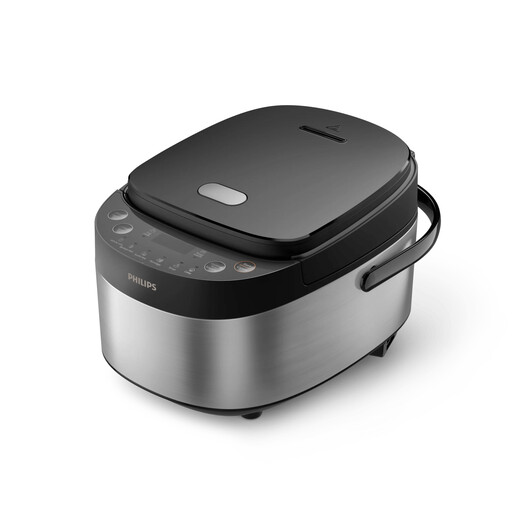
Why this product suits this profile: Its compact capacity is designed for small portions. Button controls, a status indicator and a removable pot make it easy to use every day.
The stated capacity of 0.85 litres makes it easier for singles or couples to choose the right size, without ending up with an unnecessarily large appliance.
0.85-litre capacity, plastic steamer attachment, removable pot and parts listed as dishwasher-safe.

Why this product suits this profile: Its 17 listed cooking functions, touchscreen controls and stainless steel steaming basket will appeal to buyers who want to bring several cooking methods together in one appliance.
The list of functions is supported by specific details on its 5-litre capacity, 970-watt power, accessories and controls. This makes it easier to assess how much space it will actually need.
5-litre capacity, 17 functions, 304 stainless steel steaming basket, automatic keep-warm function and timer.
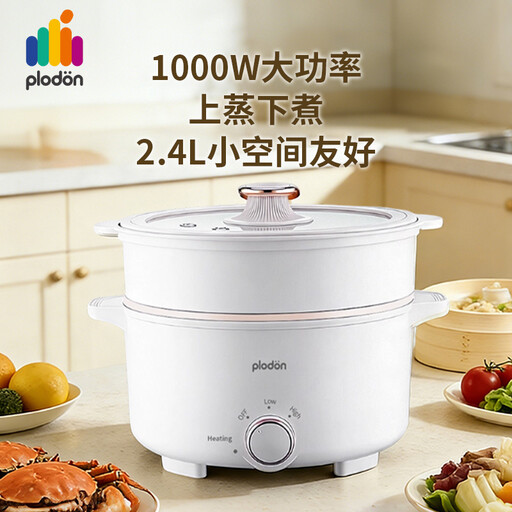
Why this product suits this profile: This electric hot pot combines cooking and steaming. It’s designed for pasta, soup, porridge, eggs and smaller meals to share.
The stated 2.4-litre capacity, two heat settings and removable steaming attachment make it easier to understand how the appliance can be used and cleaned than a list of functions alone.
1,000 watts, two temperature settings, 2.4-litre capacity and a separately removable steaming attachment.
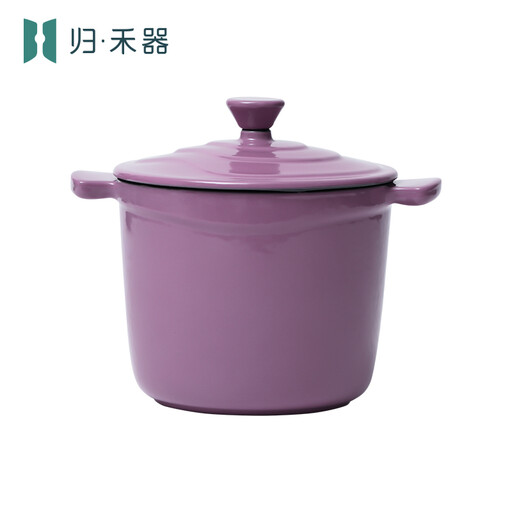
Why this product suits this profile: This 14-centimetre pot is designed for small amounts of porridge and soup and, according to the product details, is compatible with induction hobs.
The diameter and capacity are clearly stated, so you can check that the pot will work with your hob and fit in your available storage space before buying.
1.3-litre capacity, 14-centimetre diameter, enamelled cast-iron body and listed induction compatibility.
We’ve put together a complete, regularly updated list of products that meet these strict selection criteria and fully comply with the safety regulations in force in the EU.
For individual servings of rice or porridge, around 0.85 to 1.3 litres is often enough. If you regularly cook soup, pasta or several portions, it’s better to choose a model with a capacity of 2 to 2.4 litres. The usable fill level will be lower than the pot’s maximum capacity.
That depends on the appliance’s power, cooking time, energy consumption and your electricity tariff. An appliance with a lower wattage isn’t automatically cheaper if it takes considerably longer to run. Compare the stated power, cooking time and the amount you actually need to prepare.
Its lifespan depends on how often you use it, how you clean it, the coating and whether you follow the instructions. Let the appliance cool before cleaning it, and never immerse the electric base in water. If the cable, plug or body is damaged, stop using the appliance.