
Lieferung heute & morgen

Qualitätsgarantie

Willkommens-Angebote freischalten: KOSTENLOSE Lieferung | Bis zu 80 % RABATT | Kostenlose 30-Tage-JoyPlus-Testphase
App herunterladen
Multi-functional cooking appliances can complement a compact kitchen, save space in student accommodation or provide an extra cooking option when you are away from home. The choice ranges from the induction hob and multi-cooker to the camping stove. However, the key question is not how many programmes are listed on the packaging, but whether the power, cookware, controls and intended use actually match your needs.
An appliance with numerous automatic programmes is not automatically suitable for every cooking method. An electric hot pot can prepare soups, noodles or stews, but it cannot replace a double induction hob when you want to cook a side dish and a sauce at the same time. Conversely, a portable hob depends on suitable cookware and an appropriate power supply.
Before buying, check the following:
A high power rating can enable rapid heating, but it also increases electricity consumption during prolonged use. The level of control, heat distribution and ability to adjust the power to suit the dish are also important. An electric single hob rated at 1,500 W may be sufficient for occasional cooking, while a double induction hob with several power levels is better suited to a household that regularly uses multiple pots.
With camping stoves, the wattage is also not directly comparable with that of electric appliances. Fuel, wind protection, pot size and stability all play an important role.
An especially flat appliance is easy to store. At the same time, ventilation openings should remain clear and the base should be sufficiently stable. With glass or glass-ceramic surfaces, avoid cracks, deep scratches and aggressive cleaning products. A detachable cable or dishwasher-safe accessories can significantly reduce the cleaning effort.
For a portable induction hob, power levels and temperature control are more important than a single maximum rating. According to the product details, the ochama model operates at 2,000 W and offers ten power levels. This allows you to select high temperatures for searing and lower settings for simmering.
If you need to use two pots at the same time, pay attention to the total power and how it is distributed. The ProfiCook double hob is advertised with a maximum output of 3,500 W, two cooking zones and 16 function levels per zone. According to the manufacturer, the temperature can be set from 60 to 240 °C.
Induction only works with magnetic cookware. A simple magnet test on the base of the pot can confirm whether your existing cookware is suitable before you buy. Aluminium or ceramic pots without a magnetic base will generally not heat up on a portable induction hob.
A traditional electric single hob with a heating coil or metal cooking surface is more flexible when it comes to cookware compatibility. However, the surface can become hotter and take longer to clean.
Look for overheating protection, automatic switch-off, pan detection, residual heat indicators and a child lock, if these features are relevant to your household. Timers and an easy-to-read display can also make operation easier, but they do not replace supervision while cooking.
For stationary appliances with a high total output, the socket, rated connection and installation location must be suitable. A built-in hob such as the CIARRA model should be connected in accordance with the instructions and local installation requirements. For camping appliances, the gas canister, connections and ventilation must be compatible with the relevant system.
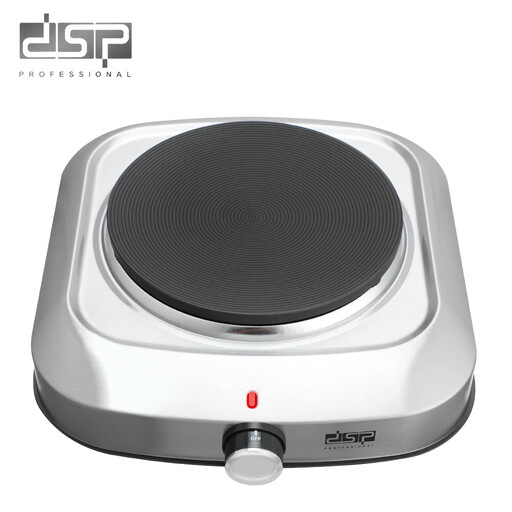
Why this product suits this profile: The electric single hob is suitable for small kitchens, student accommodation or as an additional cooking surface, and does not require special induction cookware.
The temperature is adjusted using a rotary control. This means operation does not depend on preset programmes or magnetic cookware.
1,500 W of power, a compact design and a 185-mm metal cooking surface.
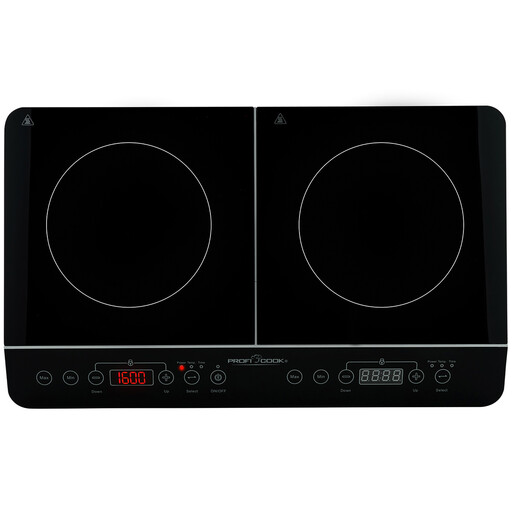
Why this product suits this profile: The double induction hob offers two cooking zones, touch controls, a timer and several power and temperature levels for regular household use.
Pan detection, overheating protection, automatic switch-off and non-slip feet address common operating and positioning risks.
Two cooking zones, a 180-minute timer and a temperature range of 60 to 240 °C, according to the product details.
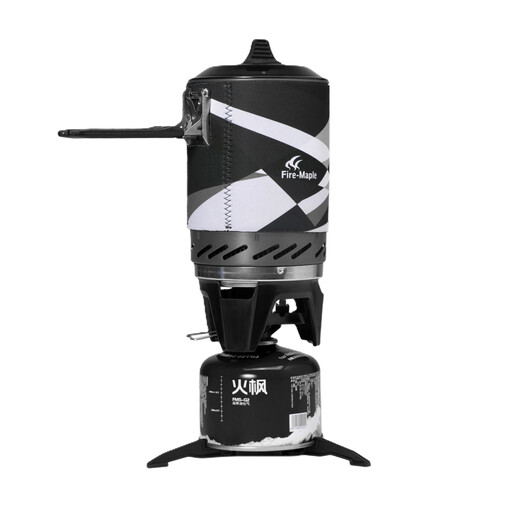
Why this product suits this profile: The integrated system is designed for hikers, campers and anyone who wants to transport their cooking appliance and pot in a space-saving way.
The specifications explicitly state that the gas canister is not included. This prevents any misunderstanding about what is supplied.
1-litre pot, nesting design, pot support and a connector for standard screw-thread gas canisters.

Why this product suits this profile: The multi-cooker with a 5-litre inner pot is suitable for rice, soups, steaming, slow cooking and other dishes in larger portions.
Use is not limited to a single dish: the product description specifies 45 programmes as well as manual adjustments.
5-litre capacity, LCD display, keep-warm function and dishwasher-safe removable parts, according to the manufacturer.
We have put together a complete, regularly updated list of products that fully meet these strict selection criteria and the safety regulations applicable in the EU.
For energy-efficient cooking, actual usage time is what matters. Induction transfers heat directly to a suitable pot base, which can enable short heating times. Electricity consumption still depends on the power rating, duration and selected setting. A timer with automatic switch-off can help prevent unnecessary running time.
With a multi-cooker, check whether the inner pot, lid and accessories can be removed. Non-stick coatings should not be treated with abrasive sponges or metal utensils. An electric hot pot should only be used up to the stated fill level; for the plodon model, the recommended maximum fill is two-thirds of the 2-litre pot.
Before cleaning, electrical appliances must be unplugged and allowed to cool completely. The main appliance must not be immersed in water. For an induction hob, a soft, damp cloth is usually sufficient for cleaning the surface.
For occasional cooking, an electric single hob, a compact induction hob or a small electric hot pot are suitable options. If you prepare several components at the same time, choose a double induction hob or an appliance with several cooking zones. The key considerations are available worktop space, storage capacity and the socket you have available.
Service life depends on how often the appliance is used, cleaning, ventilation and proper operation. Overheating, blocked ventilation openings, impacts to glass surfaces and moisture inside the appliance can shorten its useful life. Follow the operating instructions and keep your purchase and warranty documents.
There is no general answer. Induction appliances can offer short heating times, but they require magnetic cookware and their electricity consumption depends on the power rating and cooking time. For a realistic assessment, compare the rated power, your daily usage time and your electricity tariff.