
Lieferung heute & morgen

Qualitätsgarantie

Willkommens-Angebote freischalten: KOSTENLOSE Lieferung | Bis zu 80 % RABATT | Kostenlose 30-Tage-JoyPlus-Testphase
App herunterladen
The search for a nutrient-rich alternative to conventional white rice leads many to multi-grain and whole-grain varieties. These rice blends often offer a broader spectrum of nutrients and a more interesting texture. This article serves as a guide to understanding the characteristics of different multi-grain rice varieties and making an informed purchasing decision. We will introduce objective selection criteria and present a curated selection of products.
The variety of rice blends is vast. To find the right product for your needs, the following criteria can be helpful.
The term "multi-grain rice" is not standardized. It generally refers to a mixture of different rice varieties or even other types of grains. Pay close attention to the ingredients list to understand exactly what is included.
For a mindful diet, a look at the nutrition facts panel is insightful. A nutrient-dense rice is characterized by specific values.
Due to their unhulled grains, multi-grain and whole-grain rice blends typically require a longer cooking time and more water than white rice. The specific instructions on the packaging are crucial for an optimal result. Plan for a cooking time of 25 to 40 minutes. Some varieties benefit from being soaked before cooking to soften the texture.
Based on the criteria mentioned above, we have compiled a selection of products that stand out for their specific composition and properties.
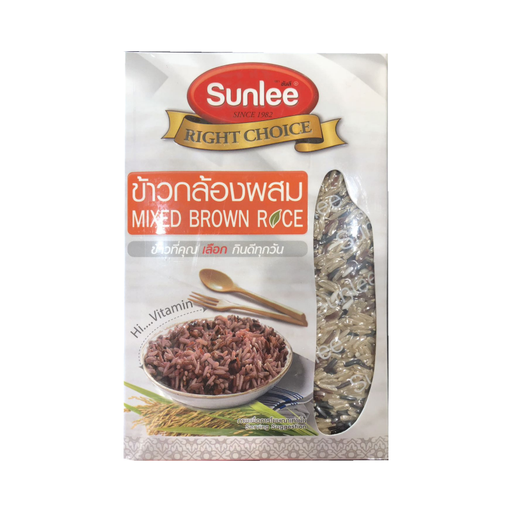
Why It Stands Out This blend from Sunlee rice is designed as a balanced composition of various whole grains. It offers a straightforward way to increase the nutritional value of daily meals and serves as a direct alternative to white rice.
Pros
Who It's For For individuals looking for a practical and nutrient-rich rice blend for regular use who value a balanced intake of fiber and protein.
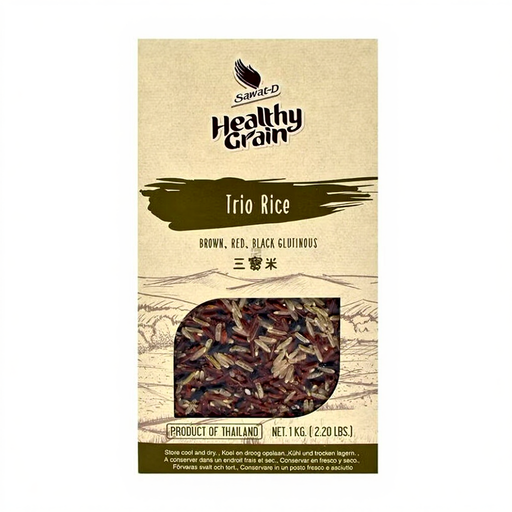
Why It Stands Out This rice blend combines three specific varieties: brown rice, red cargo rice, and black sticky rice. The clear percentage breakdown of ingredients (67% brown rice, 16.5% red rice, 16.5% black rice) ensures a consistent, firm-to-the-bite texture.
Pros
Who It's For For home cooks and anyone who appreciates a visually appealing and texturally rich side dish. The blend works well in bowls, salads, or as an accompaniment to bold sauces.
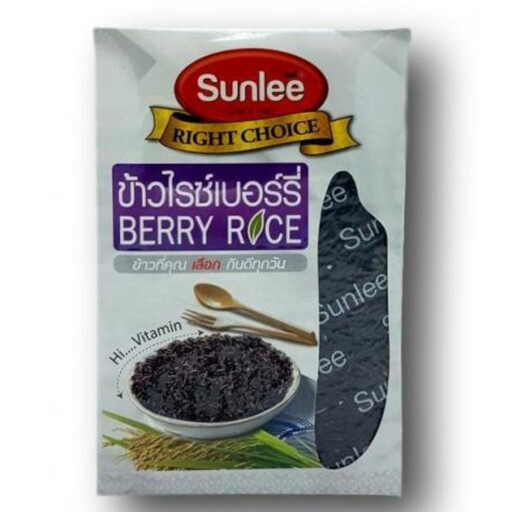
Why It Stands Out Sunlee Berry Rice is a colorful rice with a deep purple hue and a nutty aroma. It is a special whole-grain rice variety from Thailand, known for its soft yet firm-to-the-bite texture.
Pros
Who It's For For health-conscious consumers seeking a visually and tastefully distinctive rice. It is excellent for meal prep, salads, and as a colorful side dish for curries or stir-fries.
If you want to further diversify your diet and are interested in other whole-food carbohydrate sources besides rice, our selection of brown noodles could be an interesting addition to your meal plan. Discover more options here.
Multi-grain rice typically consists of whole-grain rice varieties. With whole-grain rice, unlike polished white rice, the bran and germ are preserved. These components contain the majority of the grain's dietary fiber, vitamins (especially B vitamins), and minerals. White rice is milled and polished, which removes these nutrient-rich layers. Therefore, multi-grain rice generally has a higher nutritional profile.
The preparation of multi-grain rice differs slightly from that of white rice. Always follow the instructions on the package, as each rice blend can be different. As a general guideline:
No single food leads to weight loss. Weight management is the result of a balanced calorie deficit, achieved through a nutrient-dense diet and regular physical activity. However, foods with a high fiber content, like rice high in fiber, can contribute to a longer-lasting feeling of fullness. This can help in better managing overall calorie intake.