For a stew made with tinned beans and fresh market veg, a clearly specified sauté and simmer programme is a good place to start; pressure cooking isn’t a necessary selling point if you’re only cooking the beans. The Federal Centre for Nutrition describes tinned pulses as a time-saving alternative to dried pulses. A pressure multicooker could still be right for you if you want to use it for other dishes too, and take filling limits, pressure release and cleaning into account when choosing.
Which multicooker is right for you?
Quick market-veg stew makers
If you want to sauté market veg and turn tinned beans into a stew without adding unnecessary cooking time, look for clearly specified sauté and simmer programmes. The Federal Centre for Nutrition lists tinned pulses as a time-saving option.
Batch cooks making several portions
If you cook more than one meal after a trip to the market, compare your planned total quantity with the usable capacity and fill markings of the specific model. Also make sure you have room to cool the portions promptly afterwards.
Versatility and easy-care shoppers
If you plan to use your cooker regularly for different dishes, check which programmes you’ll actually need, how easy it is to clean and whether any replacement parts are compatible with the exact model number.
What should you look for when buying?
Sauté and simmer without pressure
Best if: You want to sauté vegetables, then heat already-cooked beans in a stew.
Consider: You don’t necessarily need a pressure programme for this. Check that the specific model lists both cooking methods that don’t use pressure.
Pressure multicooker
Best if: You want to use a pressure programme for other dishes as well as bean stew.
Consider: Releasing the pressure and opening the cooker safely are part of the process, so follow the instructions for the specific model.
Slow cooking without pressure
Best if: You deliberately want to cook the whole stew over a longer period.
Consider: There’s no need to cook tinned beans, which are already cooked, for a long time. If you’re making a large batch, plan how you’ll cool it afterwards too.
| Buying priority |
What to check |
Particularly relevant for |
| Right cooking method |
Check that sautéing and simmering without pressure are clearly listed for the specific model. |
If I want to sauté vegetables and heat tinned beans in a stew, finding the right cooking method is my top priority. Around 40% of consumers would put it first when buying. |
| Usable capacity |
Compare the recipe quantity with the fill markings. Rommelsbacher lists 4 litres of usable capacity for the MD 1000, with a 6-litre pot; Tefal lists 3,2 litres of usable capacity for the CY7548, with a 5,0-litre nominal capacity. |
If I’m batch cooking several portions, the planned quantity needs to fit in the pot and be easy to cool afterwards. Around 30% of consumers would make portion size their top buying criterion. |
| Cleaning and replacement parts |
Check the cleaning instructions and replacement part number for the exact model; don’t assume that parts are compatible across different versions. |
If I use the cooker frequently, I want to know how to clean the pot and lid, and whether suitable parts are available. Around 20% of consumers would prioritise care and replacement parts. |
| Other cooking methods |
Compare only the programmes you’re likely to use. If you’ll be using pressure, also check the instructions for releasing it. |
If I want to use the cooker for other recipes too, I’ll check which additional cooking methods I actually need. Around 10% of consumers would make versatility their top buying priority. |
Common buying and usage mistakes
-
Assuming nominal capacity equals the amount of stew you can make
The pot size alone doesn’t tell you how much stew you can actually put in it. Rommelsbacher lists 4 litres of usable capacity for the MD 1000, which has a 6-litre pot; Tefal gives the CY7548 a usable capacity of 3,2 litres, with a nominal capacity of 5,0 litres.
Compare the combined quantity of vegetables, beans and liquid with the usable capacity and fill marking of the specific appliance.
-
Assuming pressure-cooking claims mean tinned beans will cook faster
Tinned beans are already cooked, so general claims about pressure-cooking programmes don’t automatically prove that they’ll save time when making this stew.
First check whether sautéing and simmering without pressure are listed for your recipe. Assess the pressure function based on the other dishes you want to cook.
-
Overlooking cleaning, replacement parts and cooling leftovers
The F.A.Z. Kaufkompass review criticised the Rommelsbacher MD 1000 for the effort involved in cleaning it. Replacement seals can be model-specific, and larger portions of stew also need space to cool.
Before buying, check the care instructions and replacement part number for your exact model. If you’re making several portions, plan how you’ll portion and cool them too.
Brands and model ranges to help you choose
Rommelsbacher
The MD 1000 combines simmering without pressure with pressure settings and slow cooking. These details apply to this model, not to every appliance from the brand.
- Rommelsbacher lists 4 litres of usable capacity and a separate pressure-release button for the MD 1000.
- The F.A.Z. Kaufkompass review criticised this model for the effort involved in cleaning it. This is an assessment of the MD 1000, not the brand as a whole.
Tefal
The Turbo Cuisine CY7548, reference CY754830, lists sautéing and simmering, as well as pressure-cooking and slow-cooking functions.
- Tefal lists a usable capacity of 3,2 litres for this model, with a nominal capacity of 5,0 litres, and offers a compatible replacement sealing ring for the CY754830.
- Claims about saving time or energy don’t prove that the appliance offers the same benefit when making stew with tinned beans.
Instant Pot
The Duo range and other multicookers offer different cooking methods. Check the exact model name against its corresponding instructions.
- The instructions describe pressure cooking and other operating modes, as well as fill limits and how to open the cooker safely once the pressure has dropped.
- Replacement seals are model-specific: a seal set for certain model numbers doesn’t prove that it’s compatible with every Instant Pot version.
Joybuy product selection
This selection includes pressure multicookers, a multifunction cooker and a slow cooker for stews and braised dishes. Check which cooking methods are specifically listed for your recipe on each model.
 No image available
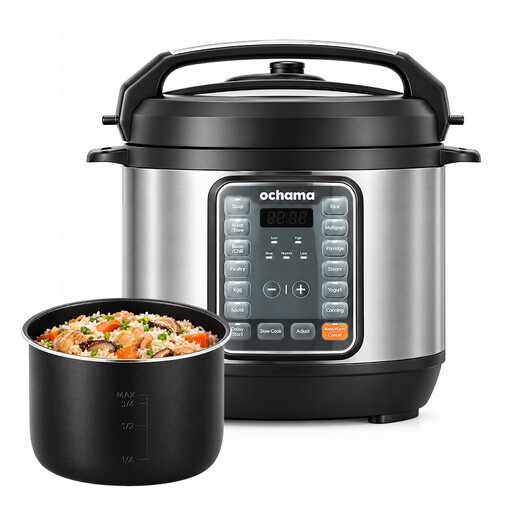
ochama 6L electric pressure multicooker, 1000W, 12-in-1, Silver
This pressure multicooker is worth considering if you want to cook other dishes as well as bean stew; pressure cooking isn’t needed for the tinned beans alone.
Joybuy
 No image available
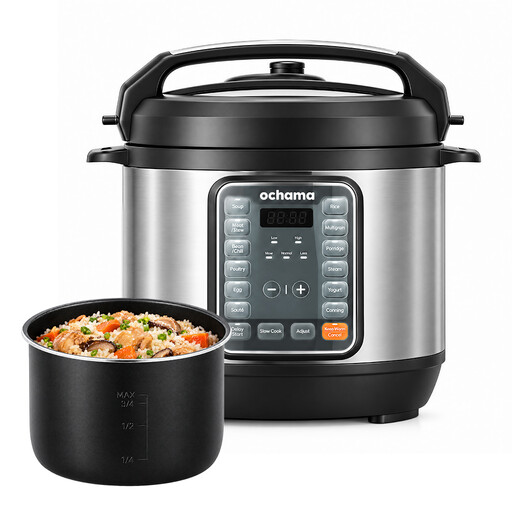
ochama 8L electric pressure multicooker, 1300W, 12-in-1, Silver
If you want to use a pressure multicooker for other dishes as well as the stew described here, compare the programmes and check the fill marking on the specific appliance.
Joybuy
 No image available
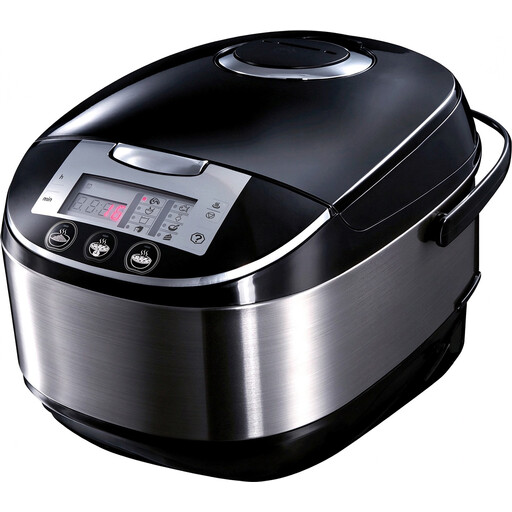
11-in-1 multicooker, 5 L, 900 W, digital display
If you’re looking for slow cooking, check before buying that the specific programme is suitable for your stew.
Joybuy
 No image available
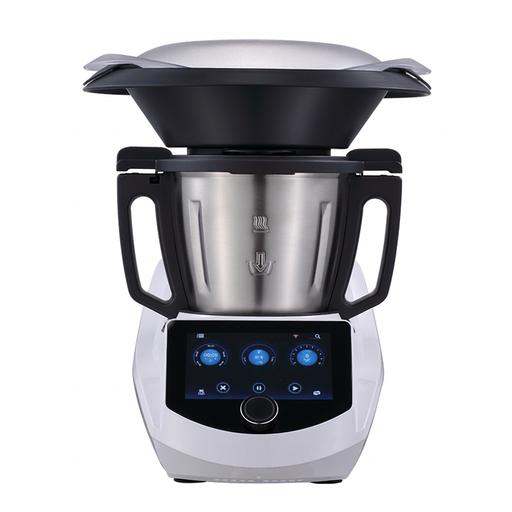
Gogano P40 multifunction cooker with colour display
If a colour display is important to you, this is a feature listed in the product name. Also check that the cooking programmes you need are included.
Joybuy
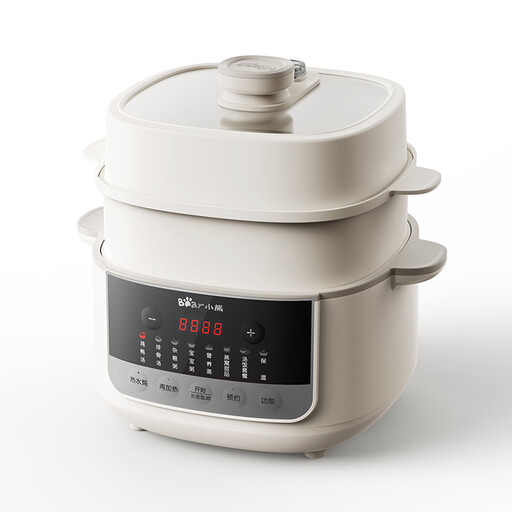 No image available
Bear DDZ-J25G2 4.1L slow cooker with steamer and Micro-Pressure Technology
This model is worth considering if slow cooking suits your planned stew. Follow the appliance’s instructions about steam when opening it.
Joybuy
Frequently asked questions
Do I need to pressure-cook tinned beans?
No, not just because you’re cooking beans: the Federal Centre for Nutrition describes tinned pulses as a time-saving alternative to dried pulses. Choose the cooking method based on the whole recipe, and remember that raw or dried beans need different preparation.
What should I bear in mind when positioning the cooker and releasing pressure?
Follow the instructions for the specific appliance. The Instant Pot instructions require a stable, level surface and warn against forcing open a pot that’s under pressure. The fill limits apply to the model described in those instructions and shouldn’t automatically be assumed to apply to other appliances.
How should I store portions I’ve cooked in advance?
The German Federal Institute for Risk Assessment recommends cooling hot food promptly to below 7 °C for longer-term storage. If you’re making a large batch, make sure you have enough room to portion and cool it.
Who should I contact if there’s a fault, and what should I look for when buying in Germany?
If there’s a fault, the seller is generally responsible for statutory consumer rights, which are separate from a voluntary manufacturer’s warranty. For mains-powered multicookers covered by Germany’s 1. ProdSV, the Federal Institute for Occupational Safety and Health explains the CE marking requirement. The CE marking indicates the manufacturer’s declaration of conformity; it isn’t an independent certification of the individual appliance.


