
Lieferung heute & morgen

Qualitätsgarantie

Willkommens-Angebote freischalten: KOSTENLOSE Lieferung | Bis zu 80 % RABATT | Kostenlose 30-Tage-JoyPlus-Testphase
App herunterladen
A multicooker can combine a pressure cooker, slow cooker, steamer, electric rice cooker and electric cooking pot in one appliance. This saves space, but it does not automatically mean that every model is suitable for every household. If you focus only on the number of programmes or particularly short cooking times, you can easily overlook important details.
Labels such as “7-in-1” or “9-in-1” sound impressive. However, what really matters is which functions you will actually use day to day. An appliance with pressure cooking works differently from a basic multifunction cooker with two heat settings. If you mainly prepare ramen, soups and one-pot meals, you may not need yoghurt, sous vide or sterilisation functions.
So check whether the cooking modes you want are available:
The stated litre capacity does not always indicate how much you can actually put into the appliance. With pressure cookers, particular attention must be paid to the maximum fill line. Soups, pulses and foaming foods may also be subject to special instructions in the user manual.
As a general guide:
A non-stick coating makes it easier to remove food, but it is not compatible with every kitchen routine. Metal utensils can damage the surface. Wooden, plastic or silicone utensils should therefore be used with coated pots. The electrical body of the appliance must also never be immersed in water.
A removable inner pot, dishwasher-safe components and a detachable cable can make cleaning and storage much easier. Before buying, it is worth checking whether replacement parts such as sealing rings, lids or inner pots are available.
The wattage indicates the electrical power, not necessarily the cooking speed. An electric multicooker with 600 watts may be sufficient for small portions, while larger appliances often require more power. For slow braising, finely adjustable temperature control is more important than the highest possible wattage.
Models with manual heat settings are suitable for users who want to control the cooking process themselves. Automatic programmes, on the other hand, offer greater convenience, but require the time, temperature and amount of liquid to suit the recipe in question.
An electric pressure cooker operates with the lid closed and pressure built up inside. Important features include:
The lid must never be forced open while pressure cooking is in progress. Before use, read the safety information in the relevant user manual. A traditional pressure cooker for use on the hob differs considerably from an electric multifunction cooker in both operation and heat source.
An inner pot made from stainless steel is often robust and resistant to kitchen utensils. Coated pots, on the other hand, make cleaning easier but require more careful handling. Also check whether steaming inserts, rice baskets, measuring cups or suitable lids are included.
The footprint is also important in smaller kitchens. A mini multicooker with a capacity of 1.6 litres is easier to store than a 7-litre appliance. With a steamer, you should also take its height with the tiers in place into account.

Why this product suits this profile: The compact 1.6-litre size is suitable for singles, students and small work areas. The cooker is designed for ramen, noodles, soups, braising and shabu-shabu.
The product details state the capacity, 600 watts, automatic switch-off and boil-dry protection. This makes the key specifications for small portions easier to assess than a long list of programmes.
Compact design, one-button operation, non-stick coating and carry handle.
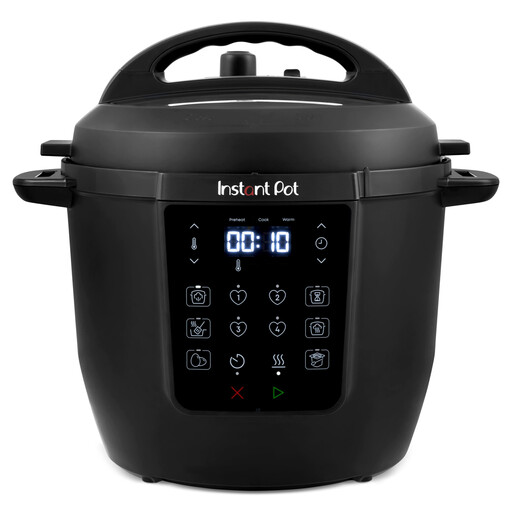
Why this product suits this profile: The 5.7-litre multicooker combines pressure cooking, slow cooking, sautéing, steaming, egg cooking, yoghurt making and keeping food warm. It will appeal to households that want to use several cooking methods regularly.
The description lists a locking lid, a steam-release function, overheating protection and a removable stainless-steel pot. This means the safety features can be checked specifically before purchase.
Several cooking methods in one appliance, guided displays and dishwasher-safe components according to the product description.
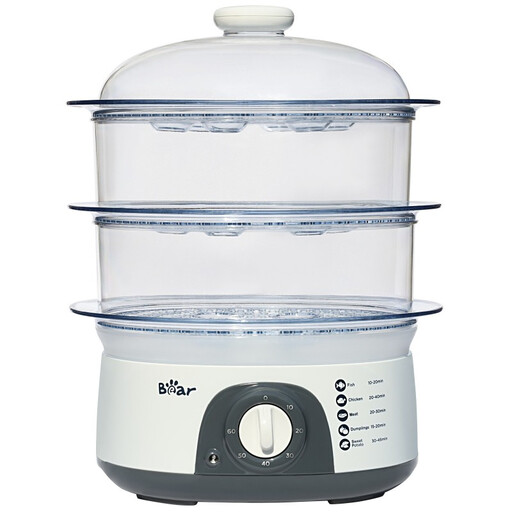
Why this product suits this profile: This electric steamer is aimed at households that want to prepare vegetables, fish, eggs or several components of a meal at the same time. Three stackable tiers and a 10-litre capacity provide more separate cooking space for this purpose.
Rather than simply promoting a large litre capacity, the product description specifies three tiers, a 60-minute timer, water reservoir and removable parts. This makes it easier to match the intended use to your own needs.
10-litre capacity, three steaming tiers, transparent cover and removable components.
For one or two people, a mini multicooker with a capacity of 1.6 to 3.8 litres is often sufficient. It is suitable for ramen, rice, soups and individual portions, while requiring less storage and worktop space. A family multicooker should hold at least 5.7 litres if you regularly cook several portions or prepare meals for meal prep.
For larger households, models such as the Instant Pot Multicooker XL with a capacity of 7.1 litres or a 7-litre slow cooker may be a sensible choice. If you mainly want to steam vegetables, fish and side dishes gently, however, you should choose a multicooker with a steaming function or a separate steamer with several tiers.
We have put together a complete, regularly updated list of products that fully meet these strict selection criteria and the safety regulations applicable in the EU.
Depending on the model, you can prepare rice, noodles, soups, stews, vegetables, meat, yoghurt or steamed dishes. An electric cooking pot with only a few heat settings is mainly suitable for simple dishes. Appliances with a pressure function extend the range of uses to pressure cooking and automated programmes.
Its lifespan depends on how it is used, cleaned and maintained. Non-stick coatings should not be used with metal utensils. Sealing rings, valves and removable parts must be cleaned according to the instructions and replaced when worn. The main appliance, cable and mains plug must not come into contact with water.
Consumption depends on the power rating and operating time. An appliance rated at 600 watts uses 0.6 kilowatt-hours for one hour of operation in theory, provided it draws its full rated power continuously. Automatic keep-warm periods can increase consumption. To calculate the actual cost, multiply the consumption in kilowatt-hours by your current electricity price.