Batch-cooking cabbage soup for several days
If you’re making a larger batch, it needs to fit within the permitted fill level of the specific appliance. According to the Federal Centre for Nutrition, soups are suitable for batch cooking and freezing.


Choose a multi-cooker based on the permitted fill level for that specific model and the amount you plan to cook, including cabbage, other ingredients and liquid – not just its stated capacity. Pressure cooking is a good option if you want to speed up the cooking process on your batch-cooking day. A non-pressure soup programme is a suitable alternative if you’d prefer to keep a closer eye on the soup and adjust the seasoning as it cooks. Remember to portion and chill the finished soup, too: the Federal Institute for Risk Assessment recommends cooling food for storage quickly to below 7 °C.
If you’re making a larger batch, it needs to fit within the permitted fill level of the specific appliance. According to the Federal Centre for Nutrition, soups are suitable for batch cooking and freezing.
Pressure cooking is worth considering if you want to use this method and can factor in depressurisation and the model-specific instructions for opening the lid.
If you want to check the soup as it cooks, look for a non-pressure soup programme and check whether the manufacturer says the lid can be opened during cooking.
| What matters | What to check | Who is it important to? |
|---|---|---|
| Usable batch size | Check the fill markings and stated usable capacity for the exact model, taking both ingredients and liquid into account. | If I’m batch-cooking for several days, the whole mixture needs to fit within the permitted fill level. Around 33% of consumers are likely to prioritise batch size above all. |
| Cooking method and seasoning | Check whether the appliance offers pressure cooking, a soup programme or cooking with the lid open. | If I’m choosing between a closed pressure-cooking process and easy access for adjusting the seasoning on cooking day, the right cooking method matters. For around 27% of consumers, the cooking method is likely to be the main consideration. |
| Portioning and storage | Think ahead about whether you have containers and enough fridge or freezer space for the amount you plan to make. | If I’m batch-cooking soup for later meals, I want to be able to portion it promptly after cooking and store it appropriately. Around 20% of consumers are likely to have storage top of mind. |
| Cleaning and wear parts | Check the cleaning instructions, whether individual parts are dishwasher-safe and whether suitable spare parts are available. | If I batch-cook regularly, I want to know how much effort it takes to clean and care for the pot, lid and, where applicable, sealing ring. Around 20% of consumers are likely to prioritise cleaning and care. |
Stated capacity and usable fill level can differ. Rommelsbacher gives the MD 1000 a 6 l pot and a usable capacity of 4 l. Pressure cookers also have filling rules that vary by model and ingredients.
Decide on your batch size only after checking the fill markings and instructions for the exact model.
A soup programme doesn’t automatically mean the appliance can pressure cook. For the Tefal RK812110, the manufacturer lists a soup programme and cooking with the lid open; pressure cooking is not listed for this model.
Before comparing models, decide whether you need pressure cooking or want to be able to adjust the seasoning easily as the soup cooks. Then check the functions of the exact model.
Keep-warm mode is no substitute for cooling and chilling soup that you plan to eat later. The Federal Institute for Risk Assessment recommends cooling food for storage quickly to below 7 °C.
Plan for suitable containers and enough fridge space just as carefully as you plan the pot size.
If you batch-cook often, caring for the parts you use is part of the regular workload. The Instant Pot Pro PRCPC601WE instructions say the inner pot is dishwasher-safe and explain how to care for the sealing ring. F.A.Z. Kaufkompass describes cleaning the Rommelsbacher MD 1000 as cumbersome.
Before you decide, check the instructions and availability of suitable spare parts for the exact model.
The MD 1000 MeinHans is worth considering if you’re comparing pressure cooking, non-pressure programmes and slow cooking.
The Pro 5.7 L PRCPC601WE is an option if you’re looking at a pressure multi-cooker with a removable stainless steel pot.
The RK812110 is worth considering if a non-pressure soup programme and the ability to check on your food as it cooks are important to you.
This Joybuy selection includes appliances for soup and batch cooking, including pressure cookers and multi-cookers with a soup programme. The stated pot capacity is not necessarily the permitted fill level for a batch of cabbage soup.
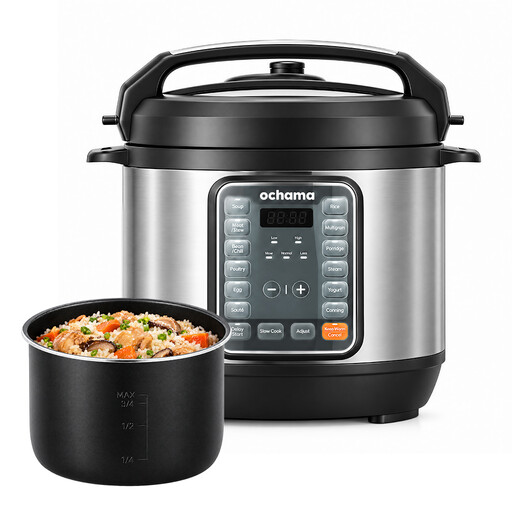 Image unavailable
The product information lists soups and slow cooking among the appliance’s uses.
8 L pot capacity; 1300 W; pressure cooking, slow cooking and sautéing are listed. Pot capacity alone doesn’t confirm the permitted fill level for cabbage soup.
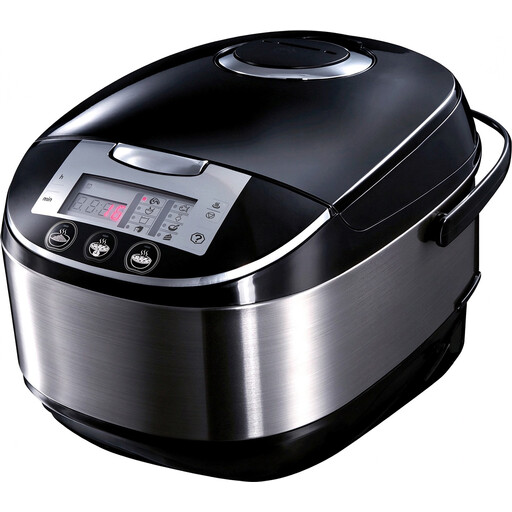 Image unavailable
A soup programme is listed and may be useful for making cabbage soup.
5 L pot capacity; 900 W; the product information also lists a stew programme, slow cooking and a programmable timer. The stated capacity isn’t a confirmed usable batch size.
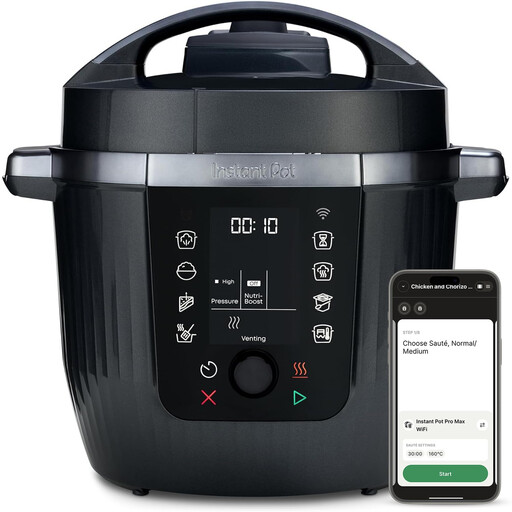 Image unavailable
The product information lists pressure cooking and a soup function. Check the instructions for the permitted fill level for your recipe.
5.7 l stated capacity; 1200 W; according to the instructions, the inner pot is dishwasher-safe. You’ll also need to care for the sealing ring.
 Image unavailable
The product information lists a soup or broth programme for making soups.
8 L capacity; 1200 W; 12 pre-set menus and slow cooking are also listed. The stated capacity doesn’t confirm the permitted fill level for a batch of cabbage soup.
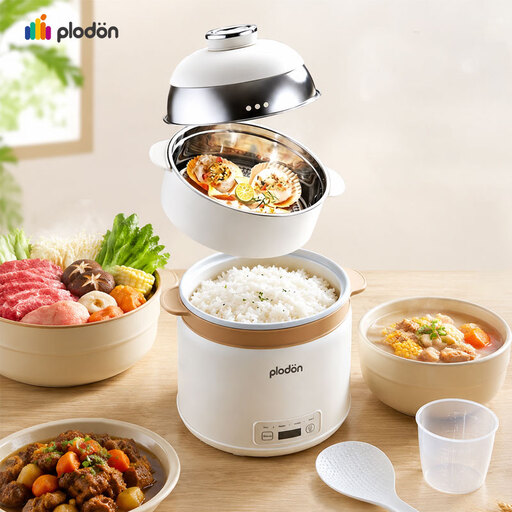 Image unavailable
The soup programme may suit smaller quantities; the product information says the appliance is designed for 1–3 people.
2.3 l pot capacity; a steaming insert and keep-warm function are listed. Its capacity may be limiting if you’re batch-cooking larger quantities.
Check the cabbage, other ingredients and liquid against the fill markings or stated usable capacity for the exact model. The Rommelsbacher MD 1000 has a 4 l usable capacity and a 6 l pot. Don’t assume the fill limits in another appliance’s instructions apply to your model.
No, not while the appliance is under pressure. The Instant Pot Duo instructions say to wait until the pressure has been fully released before opening the lid. If you want to taste and adjust the seasoning frequently while cooking, look for a non-pressure programme and check the instructions for your specific appliance.
For a larger batch, divide the soup between several shallow containers so it cools quickly. The Federal Institute for Risk Assessment recommends cooling food for storage to below 7 °C, keeping it in the fridge and eating it within two to three days. For longer-term storage, you could freeze it; the Federal Centre for Nutrition lists soups as suitable for batch cooking and freezing.
Check the instructions to see which parts are actually dishwasher-safe and how to care for the sealing ring. For the Instant Pot Pro PRCPC601WE, the instructions say the inner pot is dishwasher-safe and include advice on cleaning and replacing the sealing ring.
CE marking is relevant for electrical appliances when the applicable harmonised EU rules require it. According to the European Union, the manufacturer is responsible for ensuring the product complies. The mark alone is not an independent quality seal. Under EU law, when you buy from a trader as a consumer, you’re entitled to a legal guarantee of at least two years; a voluntary warranty doesn’t replace it.