People cooking in a shared kitchen
You need a stable spot with enough clearance for steam, and you want to be able to clean the appliance after cooking so someone else can use the kitchen.


For chicken and pearl barley soup in a shared kitchen, an electric multicooker with pressure-cooking and sauté functions is a good fit if you want to prepare everything in one appliance without needing to check on it during the pressure-cooking stage. If you want to check the texture of the barley or add ingredients later, choose a clearly stated non-pressure cooking mode. What matters most is usable capacity, enough clearance for steam to escape and parts that are easy to clean. Cooking programmes are no substitute for good kitchen hygiene or checking that the poultry is thoroughly cooked, as the Federal Institute for Risk Assessment points out.
You need a stable spot with enough clearance for steam, and you want to be able to clean the appliance after cooking so someone else can use the kitchen.
You want to sauté the ingredients before pressure cooking. You’re happy to leave the lid closed during the pressure-cooking stage and check the texture only once the pressure has been released.
You cook several portions and take into account the usable capacity, fill limits for barley that expands during cooking, and how to chill any leftovers afterwards.
First compare your preferred cooking method and portion size. Then check that positioning the appliance, releasing steam and cleaning it will all be practical in a shared kitchen.
| Consideration | What to check before buying | Who it matters most to |
|---|---|---|
| Safe use and hygiene | A stable, heat-resistant surface with a clear path for steam; handle raw poultry separately from ready-to-eat food. The Federal Institute for Risk Assessment recommends at least 70 °C for two minutes at the centre of the meat. | When several people share worktops and kitchen utensils, I want to direct steam safely and avoid cross-contamination. Around 33% of consumers put safe use and hygiene first. |
| Cooking method for poultry and pearl barley | Clearly labelled pressure-cooking, sauté and non-pressure cooking modes; choose a non-pressure mode if you need to check the food while it cooks. | If I want to check the texture of the barley or add ingredients in stages, I need a pot I can access while cooking. Around 27% of consumers prioritise the cooking method. |
| Usable soup capacity | Compare usable capacity and the model-specific fill markings with the quantity in your recipe. Ingredients that expand during cooking have special fill limits; the Instant Pot Duo manual, for example, says not to fill beyond halfway. | If I want to cook several portions, I need enough room for the stock and the expanding barley. Around 20% of consumers put portion size first. |
| Cleaning and storage | Check the manual to see which parts are removable or dishwasher-safe; chill leftovers promptly or keep them hot enough. The Federal Institute for Risk Assessment recommends both to limit the growth of Bacillus cereus. | If the kitchen needs to be free again after cooking, I want to clean the pot and accessories without unnecessary effort and store leftovers properly. Around 20% of consumers focus mainly on cleaning and storage. |
The stated pot capacity may differ from its actual usable capacity. Model-specific fill limits further restrict the amount of pearl barley you can use, as it expands during cooking.
Compare the quantity in your recipe with the stated usable capacity and the fill markings in the manual. If the capacity is too small, you may need to cook in a second batch.
A programme name alone proves neither that the barley will have the texture you want nor that every piece of poultry will be thoroughly cooked.
Choose a cooking method that gives you the texture you want, and check that the food is thoroughly cooked regardless of the programme name. The Federal Institute for Risk Assessment recommends at least 70 °C for two minutes at the centre of the meat.
A sealing ring will not necessarily fit every size or version in a product range.
Check the full model number and size against the manufacturer’s compatibility list. An incompatible replacement part could mean you need to buy another one.
The MD 1000 MeinHans combines pressure cooking, non-pressure cooking and sautéing. Rommelsbacher states that it has a 6-litre pot with 4 litres of usable capacity.
The Turbo Cuisine CY7548 offers pressure cooking, sautéing and other cooking programmes. Tefal states a total capacity of 5.0 litres and a usable capacity of 3.2 litres.
The Duo range includes pressure-cooking and other cooking modes. When choosing a model, check its exact model number, size and corresponding manual.
According to the manufacturer, the Cook4Me+ CZ7101 combines pressure cooking with guided recipes and manual cooking programmes.
This Joybuy selection includes appliances for non-pressure cooking and slow cooking, as well as multicookers and pressure cookers with a range of stated functions. Before buying, check the product details and manual to make sure the cooking method, portion size and cleaning requirements suit your recipe.
 No image available
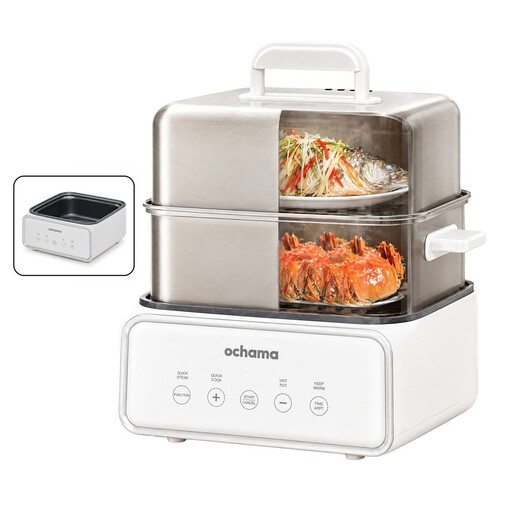
Worth considering for non-pressure cooking: the product title lists steaming, simmering and boiling. Check the manual to see whether it can be used to make your soup recipe.
The title lists a 12-litre double-layer chamber and 1500 W. Use the appliance on a flat, heat-resistant surface and observe the maximum water fill line; hot parts and steam can cause burns.
 No image available
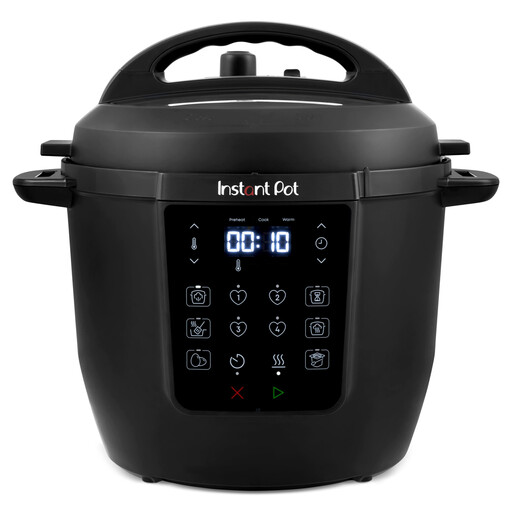
Worth considering as a multicooker for soup; check the manual to see whether this specific model offers the pressure-cooking and sauté functions you want, and how much capacity is usable for your portions.
The product title lists a capacity of 5.7 litres. Also check the amount of pearl barley you plan to use against the fill limits in the manual.
 No image available
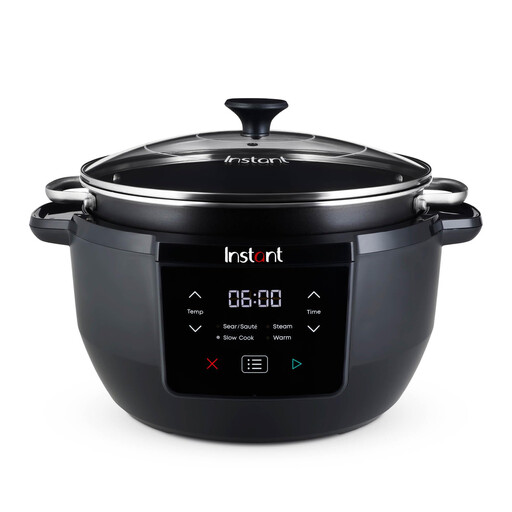
Designed for slow cooking without pressure; check that the longer cooking time suits your schedule and the texture you want for the pearl barley.
The product title lists a capacity of 7 litres. The product details state that the inner pot must not be used on a hob or in an oven, and that temperatures above 175 °C may damage the coating.
 No image available
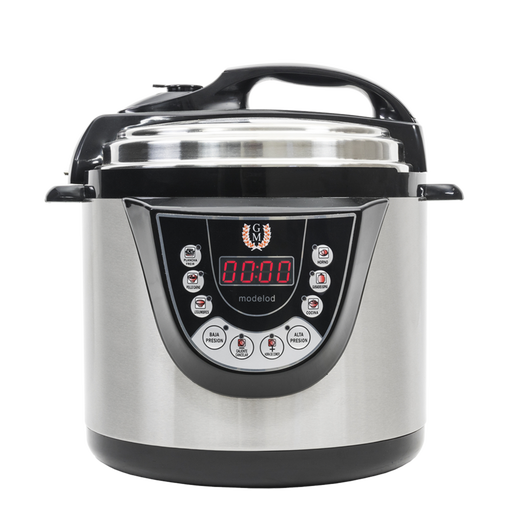
Worth considering for cooking with pressure and sautéing; check that the stated functions and portion size suit your recipe.
The product title lists a capacity of 6 litres, nine cooking menus and two pressure settings. For foods that expand, such as pearl barley, the appliance instructions set a fill limit of no more than the 1/2 mark.
 No image available
Worth considering for pressure cooking; check the manual for suitable programmes, fill limits for pearl barley and advice on releasing pressure safely.
The product title lists a capacity of 8 litres, 1200 W, twelve preset menus and a coated pot. For foods that expand, such as grains, the appliance instructions set a fill limit of no more than the 1/2 mark.
No. Do not open the lid while the pot is under pressure. The Instant Pot Duo manual warns against forcing it open; wait until the pressure has been fully released and follow the instructions for your model. If you need to check the food while it cooks, choose a clearly stated non-pressure mode.
Keep raw poultry separate from ready-to-eat food, and clean your hands and any utensils you have used. The Federal Institute for Risk Assessment recommends at least 70 °C for two minutes at the centre of the meat to ensure it is thoroughly cooked. Do not rely on the name of a cooking programme alone.
Do not leave soup unattended in the switched-off appliance. The Federal Institute for Risk Assessment explains that cooling it quickly or keeping it sufficiently hot can prevent the growth of Bacillus cereus.
For consumer purchases in the EU, you have a statutory minimum guarantee of two years from the date you receive the goods, provided by the seller. An additional manufacturer’s guarantee does not replace these rights. The European Commission explains the EU rules on guarantees; for accessories, you should also check compatibility with the exact model.
According to the European Commission, the CE mark means the manufacturer declares that the product meets the applicable EU requirements. Which requirements apply depends on the specific appliance; the mark is not an independent quality certification.