
Lieferung heute & morgen

Qualitätsgarantie

Willkommens-Angebote freischalten: KOSTENLOSE Lieferung | Bis zu 80 % RABATT | Kostenlose 30-Tage-JoyPlus-Testphase
App herunterladen
If you’re looking to buy Unagi Kabayaki 208 g, you’re probably after a flavoursome eel fillet for sushi, rice dishes or an easy supper. But frozen products can vary in their ingredients, portion size, preparation and storage requirements. The tips below will help you look beyond the marketing claims and choose a product that suits your needs.
Kabayaki describes the cooking method: eel is usually filleted, grilled and brushed with a sweet, savoury sauce. It’s still important to check the ingredients list before you buy. Ingredients may include soy sauce, wheat, sugar, mirin, glucose syrup or flavour enhancers.
If you’re checking for allergens, read the packaging carefully. According to the product information, Uogashi Japanese Unagi Kabayaki 208 g lists eel, soya and wheat as allergens.
Unagi eel fillet is usually sold deboned. The product description for the 208 g product states that the fillet is boneless. Even so, it’s worth checking it briefly before serving, especially if children will be eating it. The boneless eel fillet description doesn’t replace a careful visual check.
Unagi Kabayaki is often sold frozen. Make sure the packaging is intact, the product is properly insulated during transport and it’s stored at −18 °C or colder. Don’t refreeze a thawed product. Always follow the specific instructions on the packaging.
According to the product information, the 208 g fillet contains 65 to 72% eel, with a soya-based sauce. The nutritional information per 100 g is:
These figures are per 100 g, not necessarily for the whole pack. So if you’re watching your salt or sugar intake, it’s worth checking the portion size.
Depending on how hungry you are, 208 g can make one generous portion or two smaller ones. For unagi on rice, half a fillet per bowl is often enough, served with rice and vegetables. If you’re cooking for more people, you could consider a larger pack such as UOGASHI UNAGI KABAYAKI 250G.
The product should be heated thoroughly, according to the instructions. For a simple meal, remove the fillet from its packaging and heat it as directed. Depending on what you have available, you could use a microwave, frying pan, oven or steamer. Always follow the instructions on the pack, as cooking times vary by product, packaging and appliance.
For a classic presentation, cut the grilled eel fillet into strips and serve it over warm rice. You could also add spring onions, cucumber, steamed vegetables or a little eel sauce. If you add soy sauce, remember that the product already contains salt.
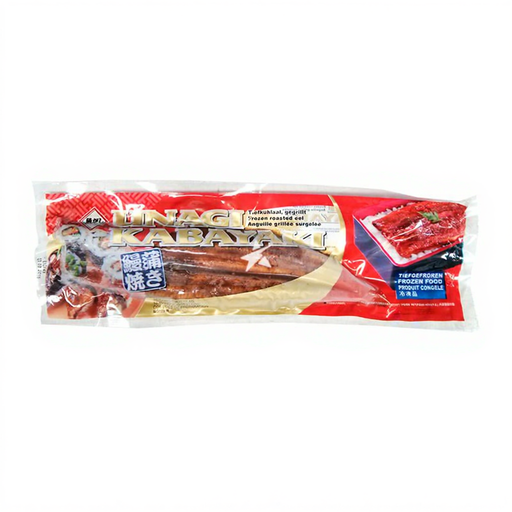
Why it suits this shopper: The pack size is a convenient introduction to Japanese cooking and pairs easily with rice and vegetables.
The product information lists the ingredients, allergens and nutritional values, as well as the −18 °C storage requirement.
208 g pack; described as boneless grilled eel fillet with soy sauce.
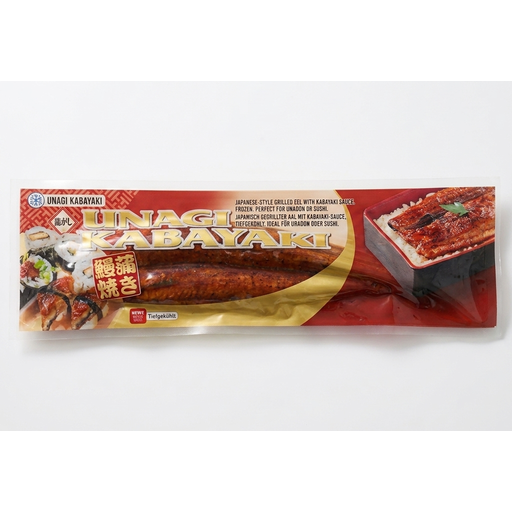
Why it suits this shopper: The larger pack is handy if you’re serving two people or want an extra portion.
The product information lists the ingredients, allergens and nutritional values, and advises against refreezing once thawed.
250 g pack; instructions suggest heating in the microwave or in a pan of boiling water.
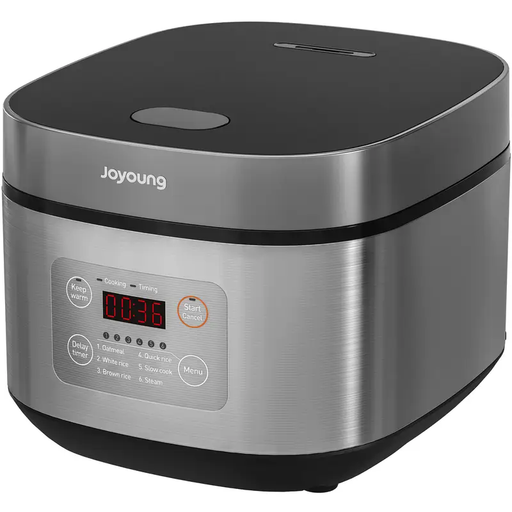
Why it suits this shopper: If you regularly make unagi on rice, this is a handy kitchen appliance for cooking rice, steaming food and preparing other accompaniments.
Its functions and capacity are clearly specified, rather than relying on vague claims of versatility.
4-litre inner pot, 860 W, six programmes, plus a steam basket and keep-warm function.
We’ve put together a complete, regularly updated list of products that meet these strict selection criteria and fully comply with the safety regulations applicable in the EU.
For an easy meal, heat the frozen fillet according to the instructions on the pack. Then cut it into strips and serve over steamed rice. A small serving of vegetables adds a pleasing contrast in texture and flavour. The product already comes with sauce, so use any extra soy sauce sparingly.
Keep the unopened product frozen at −18 °C or below. Once thawed, store it in the fridge and eat it promptly, following the instructions on the packaging. Do not refreeze it.
Heat the fillet thoroughly. Depending on the instructions on the pack, you can heat it in the microwave, in a water bath, in a frying pan or in the oven. Before serving, check that the fillet is piping hot all the way through.
The Uogashi product description states that the fillet is boneless. As it’s not possible to rule out every small bone, it’s sensible to check it briefly before eating.
The best-before date is printed on the packaging. Until then, keep the product continuously frozen at −18 °C or colder. Once thawed, follow the manufacturer’s instructions; do not refreeze thawed eel.