Regular coffee-break snackers
If you eat rice cakes often and would rather not keep buying more, choose a pack size you can store in a dry place and seal securely once opened.


A multipack of plain or lightly salted rice cakes is a handy choice for regular coffee breaks, provided the pack size suits your consumption and you have somewhere to store it. Coated varieties differ in their ingredients and nutritional values. If you eat rice products often, the Federal Institute for Risk Assessment recommends including snacks made from other grains in your diet too.
If you eat rice cakes often and would rather not keep buying more, choose a pack size you can store in a dry place and seal securely once opened.
If you’re after something sweet to go with your coffee, compare coated varieties with plain rice cakes by checking their ingredients, nutritional information and portion size.
If you look for a gluten-free label or a short ingredients list, check the details for your chosen variety, including sesame and any possible traces of milk or soya.
First, decide whether you want a plain option or a sweet snack to enjoy with your coffee. Then check that the pack size suits how much you eat and the storage instructions.
| Criterion | What to check when buying | Who it matters most to |
|---|---|---|
| Pack size and storage | Weight, number of individual packs and storage instructions once opened. | I eat rice cakes regularly and want to finish the pack while they’re still crisp; around 50% of shoppers prioritise having the right amount in stock. |
| Variety and ingredients | Ingredients, allergens, and sugar and fat per 100 g in plain and coated varieties. | With my coffee, I want either a plain option or a sweet snack that meets my ingredient requirements. This is the main consideration for around 30% of shoppers. |
| Variety in your snacks | Whether you’d like to include snacks made from other grains alongside rice cakes. | If I reach for rice products often, I don’t want to stick to the same snack base; around 20% of shoppers consider variety their main priority. |
A larger supply only makes sense if you can keep the packs dry until you eat them and seal any opened packs securely.
Choose a pack size that suits how much you eat and the storage space you have. Follow the instructions on the packaging.
A coating changes the ingredients and nutritional values. dm-drogerie markt lists dmBio Rice Cakes with Yoghurt as containing 27 g of sugar and 26 g of fat per 100 g.
For regular coffee breaks, compare the nutritional information per 100 g and decide whether you’d prefer a plain option or a sweet snack.
REWE Bio Rice Cakes contain sesame and may contain traces of milk and soya. EDEKA Herzstücke Whole Milk with Salted Caramel lists milk and soya as ingredients.
Check the ingredients list and allergen information on the specific pack every time you choose a variety or buy it again.
The Federal Institute for Risk Assessment highlights that rice products may contain inorganic arsenic. It recommends eating rice cakes in moderation and alternating them with products made from other grains.
If you eat rice cakes often, include products made from other grains too, such as corn-based snacks.
REWE Bio Gluten-Free Rice Cakes are a 100 g option for shoppers looking for an uncoated rice cake.
The Whole Milk Rice Cake with Salted Caramel is a 70 g coated variety for a sweet coffee break.
Kallo describes its unsalted organic wholegrain rice cakes as being made with organic wholegrain rice. This information comes from the brand’s UK product page.
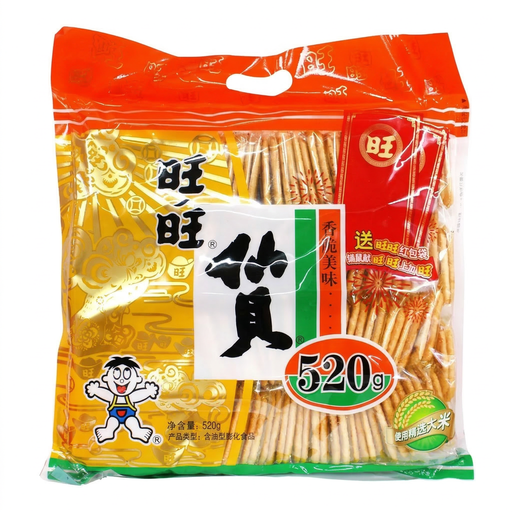
These rice crackers are an option if you’re looking for individually portioned, savoury snacks for your coffee break. They are not labelled as plain rice cakes.
 No image available
For shoppers looking to stock up on individually portioned, savoury rice crackers for their coffee break.
The pack contains 520 g across 88 individual packs. The crackers are seasoned with soya sauce and aren’t plain rice cakes; if you have specific ingredient requirements, pay particular attention to the information about wheat and soya.
Choose an amount you can use in line with the storage instructions on the pack. In particular, check whether opened packs need to be sealed securely and how much space you’ll need to store them.
No. It depends on the label for the specific variety. REWE labels its organic rice cakes gluten-free; they contain sesame and may contain traces of milk and soya. Varieties coated with yoghurt or whole milk contain milk.
Store rice cakes in a cool, dry place and keep them sealed securely, following the instructions on the specific pack. For dmBio Rice Cakes with Yoghurt, dm-drogerie markt also advises eating them within five days of opening and protecting them from heat. This guidance doesn’t automatically apply to other varieties.