
Lieferung heute & morgen

Qualitätsgarantie

Willkommens-Angebote freischalten: KOSTENLOSE Lieferung | Bis zu 80 % RABATT | Kostenlose 30-Tage-JoyPlus-Testphase
App herunterladen
Multipack socks are practical for everyday wear, the whole family and sport. However, a low price per pair does not automatically mean that the choice will be worthwhile in the long term. Size, material, cut and intended use are what really matter. Checking these points before buying helps you avoid pressure points, slipping cuffs and socks that lose their shape after just a few washes.
A 6-pack of socks may seem cheaper at first glance than a 3-pack of socks. What matters, however, is the price per pair and whether all the pairs are genuinely suitable for your everyday needs. Six thin trainer or no-show socks are no substitute for padded sports socks for training. A larger pack may make sense for families, while individuals often have more flexibility with several specialised 3-packs.
Cotton socks are often associated with a comfortable feel. Cotton can absorb moisture, but how quickly it dries varies depending on the fabric density and material blend. For longer runs or hikes, the material blend, ventilation zones and suitable cushioning are therefore more important than the word “cotton” alone.
Terms such as breathable socks and antibacterial socks should not be considered in isolation either. Check the specific material composition and care instructions. Where performance claims are advertised, it is also important to see whether they are supported by verifiable evidence. A product description is not a medical statement.
Women’s socks, men’s socks, children’s socks and unisex socks can differ in their size ranges, leg height and cut. Shoe size is the most important starting point. For in-between sizes, you should consider the size chart, elasticity and the fit you want. Socks that are too small can pull across the toes and heel; oversized models may crease and rub inside the shoe.
Look for EU size ranges rather than relying solely on S, M, L or XL. For example, the ASICS Quarter socks are available from EU 35–38 through to EU 47–49. This makes it easier for unisex users to find the right size. For children’s socks, such as the Skechers 6-pack for EU 27.5–35.5, you should also compare foot length with the size chart.
Important fit features include:
For everyday wear, cotton, polyester, polyamide, acrylic or blended fabrics may all be suitable. A higher cotton content is not automatically better for every activity. For sports socks and running socks, moisture management, elasticated zones and a reinforced sole are often more relevant considerations.
Examples from the selection:
Merino socks can be a good choice for cold conditions, while lightweight microfibre or polyester fabrics suit low-cut trainer socks. Always follow the recommended washing temperature and drying instructions, as high heat can affect elasticity and shape.
For work, everyday wear and spending long periods on your feet, reinforced heel and toe areas may influence your choice. Basketball, running and hiking socks may also benefit from a cushioned sole, a supportive midfoot section or a higher leg height.
Compression socks fit more tightly than ordinary sports socks. If you have a medical condition or have been prescribed compression by a doctor, you should discuss your choice with a medical professional. A product description is not evidence of therapeutic effectiveness.
When it comes to antibacterial properties, check the specific construction, material and care instructions. According to the Li-Ning model’s product details, reduction values are stated for certain microorganisms; this does not demonstrate a general or lasting health benefit.
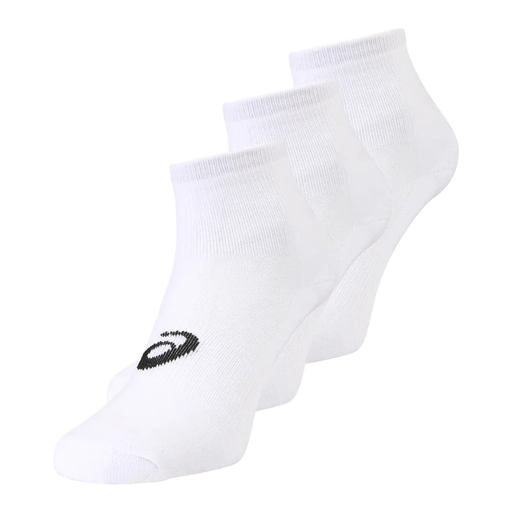
Why this product suits this profile: The 3-pack offers a manageable quantity for everyday wear, training and occasional running. The quarter length works well with many sports shoes.
The EU sizes from 35–38 to 47–49 make choosing easier than relying solely on an S/M/L label.
Cotton blend with elastane and machine washable at 40 °C, according to the product details.
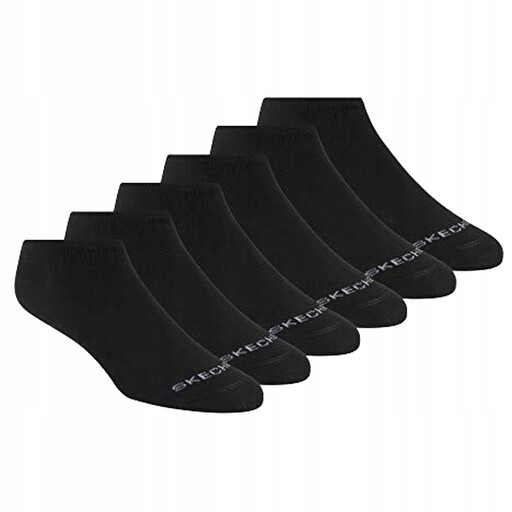
Why this product suits this profile: According to the product details, this 6-pack is made from 100% cotton and is suitable for shoppers who prefer several matching pairs for everyday wear.
The stated size of 35–39.5 narrows down the choice; you should also check the shoe shape and the fit you want.
Six pairs for regular laundry rotation; material details and care instructions are clearly provided.
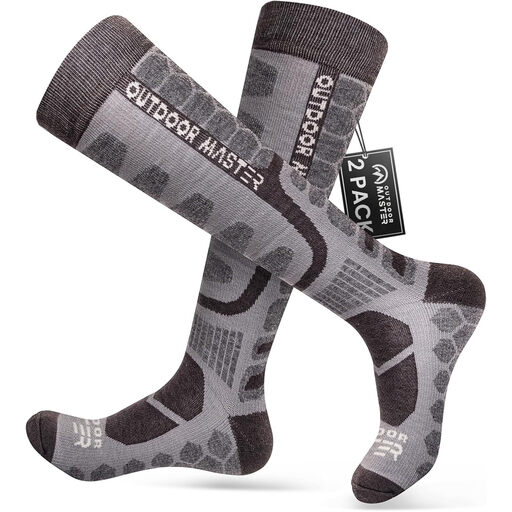
Why this product suits this profile: Designed for winter sports, this model combines a merino wool blend with compression zones and reinforced cushioning.
The product details state the material content, EU size 39–42 and intended use. This makes it easier to choose these socks for a specific purpose rather than as general everyday socks.
Two pairs, a merino wool blend, reinforced cushioning areas and machine-wash care, according to the product description.
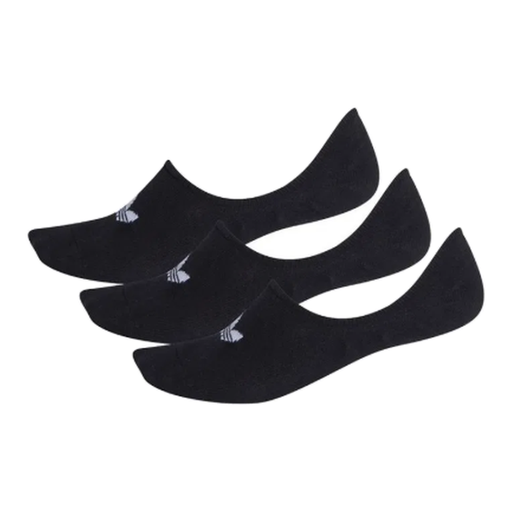
Why this product suits this profile: No-show socks are designed for low-cut trainers and an unobtrusive everyday look.
The specific EU size 40–42 prevents you from buying a general multi-size pack without checking the fit.
Three pairs, a low leg height, plus polyester and cotton content according to the product details.
We have put together a complete, regularly updated list of products that fully meet these strict selection criteria and the safety regulations applicable in the EU.
Service life depends on the material, how often the socks are washed, drying conditions and friction from footwear. For this reason, always follow the relevant manufacturer’s instructions. Common basic rules include:
The pack price may be lower than buying several individual pairs. Compare the price per pair and check whether the material, size and cut suit your needs. An inexpensive 6-pack is not economical if the socks are hardly ever worn.
Several pairs for changing throughout everyday wear are useful. The exact number depends on how often you do laundry, your job, how frequently you exercise and the time of year. A 6-pack can be practical for regular changes; for different activities, several 3-packs with different features may be a better choice.
Running socks should match your shoe size and fit smoothly, without creasing wherever possible. Look for moisture management, elasticated zones and, where appropriate, a cushioned sole. For longer distances or warmer conditions, the material blend and ventilation may be more important than a high cotton content.