When choosing a multipack of bars for someone with a food allergy, start by checking the ingredients and allergen information for the specific variety, rather than relying on the brand, pack size or general claims such as ‘organic’. Only once the information meets the person’s individual avoidance requirements should you consider the number of bars and portions you need for lunchboxes or sharing. If several people are involved, also check whether each bar can be clearly identified by variety.
Who should take care when choosing?
Households avoiding specific allergens
If you’re shopping for someone with a diagnosed allergy, you need to check the information for each variety against their individual avoidance requirements. A brand name or general product claim is no substitute for this check.
Households packing lunchboxes or sharing food stores
Suitable portion sizes are important for school, work and days out. If people with different avoidance requirements take bars from the same food store, it’s also important to keep each variety clearly identifiable.
Shoppers comparing pack sizes
If you have several suitable varieties to choose from, you can base the number of bars and total weight on how you plan to use them. You’ll still need to check the ingredients and precautionary allergen information for each variety separately.
What should you look for when buying?
First, check whether the specific variety meets the avoidance requirements of everyone who’ll be eating it. You can then decide which multipack is most practical for lunchboxes, sharing or stocking up.
| What matters |
What to check when buying |
Who it matters to |
| Allergen suitability |
Compare the ingredients list, highlighted allergens and any possible traces for the specific variety with the individual’s avoidance requirements. |
If I’m shopping for someone with a known allergy, a suitable pack size mustn’t distract me from unsuitable ingredients. For around 50% of consumers, allergen suitability comes first. |
| Portions and identification |
Check the number and size of the portions. For lunchboxes or sharing, check whether the bars are individually wrapped and can be clearly identified by variety. |
For lunchboxes or a shared food store, I need bars that can be taken out in suitable portions and identified with confidence. Around 30% of consumers make this their top priority. |
| Pack size |
Compare the total weight and number of bars in varieties that are already suitable with how much you plan to use. |
If several varieties meet the avoidance requirements, I want to choose a pack whose contents we can use. For around 20% of consumers, pack size is the most important remaining consideration. |
Which mistakes can you avoid?
-
‘Organic’, ‘vegan’ or a multipack claim doesn’t replace an allergen check
These claims don’t tell you whether the specific recipe meets someone’s individual avoidance requirements. According to the Federal Ministry of Agriculture, Food and Regional Identity, the relevant allergens must be declared as ingredients. Lebensmittelklarheit points out that additional precautionary statements about possible traces are not regulated in the same consistent way.
Before buying, check the latest ingredients list, highlighted allergens and any precautionary allergen information for the variety you want.
-
A nut or chocolate bar isn’t a neutral option for sharing
REWE’s description of the Knoppers NussRiegel lists hazelnuts, milk ingredients, wheat, soya and peanuts, among other ingredients. It also mentions possible traces of other ingredients. It’s not a general sharing option for anyone who needs to avoid one of these allergens.
Compare the information with the avoidance requirements of everyone who might receive a bar from the pack, and keep unsuitable varieties separate.
-
A high bar count doesn’t automatically mean practical individual portions
The number of bars alone doesn’t tell you whether each one is individually wrapped or can be clearly identified once removed from the pack. This can make it harder to share bars, especially when people have different avoidance requirements.
Check whether the bars are individually wrapped and, if necessary, keep the outer packaging with the ingredients information until you’ve used all the bars.
Which brands offer useful pointers?
MadeGood
dm-drogerie markt sells the Granola Chocolate Chip Bar in a pack of six, weighing 144 g in total.
- For this variety, dm describes it as nut-free, gluten-free, dairy-free, egg-free and soya-free, among other claims.
- These claims apply to the specified variety, not automatically to all MadeGood bars or every individual avoidance requirement. Check them against the current packaging.
Alnatura
The organic muesli bar with maple and dates described by EDEKA24 contains six bars, weighing 150 g in total.
- The number of bars and total weight give you specific details to help plan portions.
- For this variety, EDEKA24 lists rolled oats, barley malt flour and wheat flour, among other ingredients, as well as possible traces of soya, milk and several tree nuts. ‘Organic’ is no substitute for checking the product against the person’s avoidance requirements.
Corny
REWE and EDEKA24 stock a range of Corny muesli bar multipacks, including packs of four and six.
- The different varieties and pack sizes let you choose according to how much you plan to use.
- The retailers also stock varieties containing peanuts or other nuts. Check the ingredients and allergen information for each variety separately.
Multipacks of bars at Joybuy
This selection includes oat, cereal and muesli bars, as well as wafer bars in a range of pack sizes. Whether a variety is suitable for someone depends on the current labelling and their individual avoidance requirements. For lunchboxes and sharing, it’s also important to check how the individual bars are packaged.
 No image available
Corny Haferkraft Zero Peanut Butter oat bars, 12 × 50 g
The pack of 12 could be a handy choice for stocking up and taking out individual portions, provided the variety meets the person’s avoidance requirements.
According to the product information, this bar isn’t suitable for anyone with a peanut allergy. The gluten-containing oats and warnings about possible traces of nuts and milk should also be taken into account. Check the current packaging before sharing.
View at Joybuy
 No image available
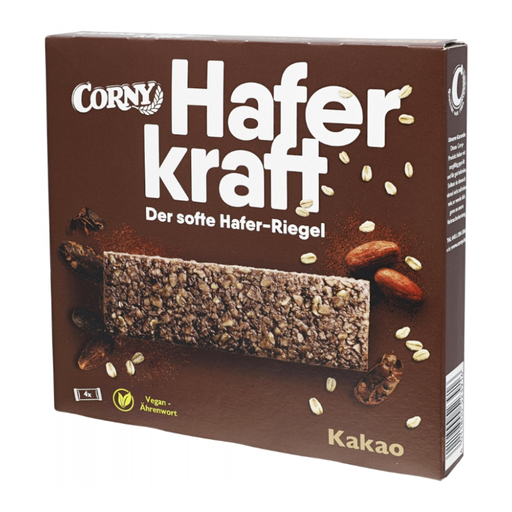
Corny Haferkraft Cocoa oat bars, 4 × 35 g
Four 35 g bars make a smaller pack for taking with you.
If you need to avoid milk, gluten-containing oats or possible traces of nuts and peanuts, take the relevant product information into account and check it against the current packaging.
View at Joybuy
 No image available
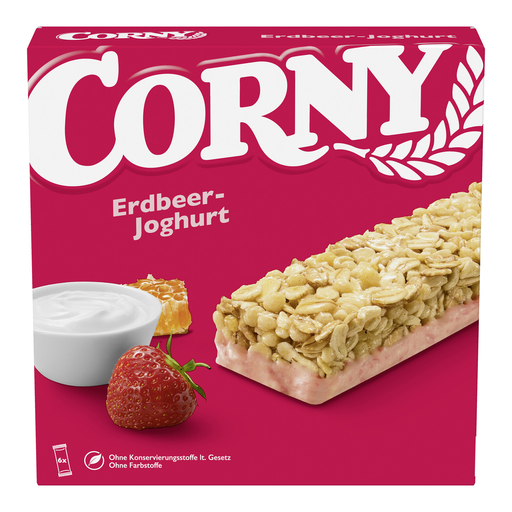
Corny Strawberry & Yoghurt cereal bars, 6 × 25 g
Six 25 g bars give you several portions to plan around. If you want to put an individual bar in each lunchbox, check whether they’re individually wrapped before buying.
The product information lists gluten and milk, as well as possible traces of nuts and peanuts. What matters is checking the current labelling against the person’s avoidance requirements.
View at Joybuy
 No image available
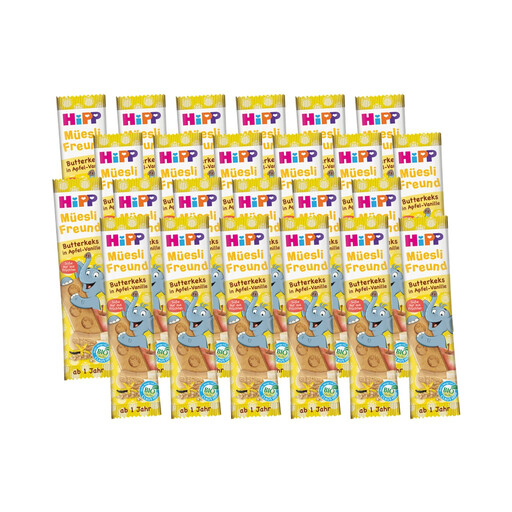
HiPP Organic Butter Biscuit Apple & Vanilla muesli bars, from 12 months, 24 × 20 g
The product description states that this pack of 24, 20 g bars is suitable for children from 12 months. If you’re taking them with you, check whether the bars are individually wrapped.
The product information lists milk and wheat ingredients, as well as possible traces of egg, nuts, mustard and soya. For children, it also advises that the bar should only be given under supervision, and not while lying down or walking.
View at Joybuy
 No image available
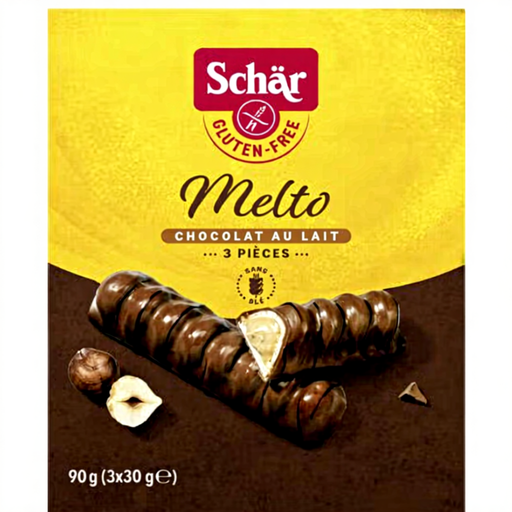
Schär Gluten-Free Melto hazelnut wafer bars, 3 × 30 g
This pack of three is suitable for sharing only if the ingredients meet everyone’s requirements. Also check whether the bars are individually wrapped for the way you plan to share them.
The product information lists hazelnuts, milk and soya, as well as possible traces of peanuts and other nuts. The ‘Gluten-Free’ description says nothing about whether the bars are suitable for people with these allergies.
View at Joybuy
Frequently asked questions
Do allergens have to be listed on packaged bars in Germany?
Yes. Allergens used as ingredients must be declared on packaged foods. The Federal Ministry of Agriculture, Food and Regional Identity lists 14 key allergens; this requirement applies to ingredients that have been intentionally added. Check the ingredients list on the specific pack.
Are precautionary allergen statements regulated in the same way as ingredients lists?
No. According to Lebensmittelklarheit, additional statements about possible traces or contamination are not regulated by law in the same way. If possible cross-contact is relevant to someone’s individual avoidance requirements, take any warnings into account and seek professional advice if you’re unsure.
Are ‘vegan’ or ‘organic’ claims enough if you have an allergy?
No. Neither claim replaces checking the ingredients and precautionary allergen information against the person’s specific avoidance requirements. For example, EDEKA24 lists gluten-containing cereal ingredients and possible traces of soya, milk and several tree nuts for the Alnatura organic muesli bar with maple and dates.
When is it worth getting professional advice before choosing a multipack of bars?
If the diagnosis is unclear, you need to take several allergies into account or you’re planning a longer-term elimination diet, individual advice can help you interpret the ingredients information. The German Allergy and Asthma Association recommends seeking help from dietitians with expertise in allergies.


