A multipack of bars may be useful for outings or a lunchbox later on, provided the age recommendation for the specific product is suitable for your child and they can eat the bar upright, under supervision and in line with their eating skills. Bars labelled ‘from 1 year’ are not suitable for younger babies who are just starting to eat lumpy foods. Pack size and claims such as ‘no added sugar’ are no substitute for checking the ingredients and nutritional information or offering a varied range of complementary foods.
Who should take care when choosing?
Parents in the early finger food stage
When your child is just getting used to lumpy foods, their eating skills and the age recommendation on the bar matter more than the pack size. The Federal Centre for Nutrition notes that it can be harder to assess nutrient intake with baby-led weaning; according to the Healthy Start in Life network, purées and finger foods can be offered alongside one another.
Parents planning outings and lunchboxes
If you want to take bars along for occasional snacks, compare the number of bars, weight per bar, packaging and storage instructions. For example, packs of fruit bars containing 4 × 23 g are available from German retailers. A larger pack is only a good fit if you already know which variety you want and how many bars you need.
Parents with questions about ingredients and allergens
For fruit and cereal bars, it’s worth comparing the ingredients list, the ‘of which sugars’ figure in the nutrition information and the allergen advice for the specific variety. As Consumer Advice explains, you can’t determine the sugar content from a claim such as ‘no added sugar’ alone.
What should you look for when buying?
First check the age recommendation and eating situation, then the ingredients and allergens. Only after that should you consider whether the pack size suits the occasions you have in mind.
| What to consider |
What to check before buying |
Who it matters most to |
| Age and eating situation |
The bar’s age recommendation and advice on sitting upright and supervision; assess your child’s eating skills separately from the information on the pack. |
If my child is just getting used to lumpy foods, I don’t want to offer a bar based on the age recommendation alone. For around 42% of consumers, suitability for the child’s age and eating situation comes first. |
| Ingredients, sugar and allergens |
Compare the ingredients and allergen information, along with ‘of which sugars’ per 100 g and, if provided, per bar. |
When choosing, I want to know which grains and fruit concentrates the variety contains and what allergen advice applies. Around 33% of consumers prioritise checking these ingredients. |
| Portioning and stocking up |
Match the number of bars, weight per bar, individual wrapping and storage instructions to how many you expect to use. |
For outings or lunchboxes, I need a suitable number of easy-to-handle portions without buying more than I need. Pack size is the main consideration for around 25% of consumers. |
Common mistakes when choosing
-
Assuming ‘from 1 year’ means it’s suitable for every child
A bar’s age recommendation alone doesn’t tell you whether your child can manage its texture yet. Product information from dm-drogerie markt for children’s fruit bars also advises adult supervision and warns against giving them to children while they’re lying down.
Follow the age recommendation for the specific variety, and let your child eat only when sitting upright and under supervision. If you’re offering only finger foods or you’re unsure, the Healthy Start in Life network recommends seeking individual advice from your child’s paediatrician.
-
Assuming ‘no added sugar’ means low in sugar
A bar with no added sugar can still contain sugar from its fruit ingredients. For example, dm-drogerie markt lists 47 g of sugar per 100 g for the Bebivita Apple-Banana Fruit Bar. This figure applies to that variety, not all Bebivita bars.
Compare the ingredients list and the ‘of which sugars’ figure per 100 g. Consider how often to offer a bar in the context of your child’s overall diet, rather than relying on a single marketing claim.
-
Stocking up before checking for allergens
Ingredients and possible traces vary between bar varieties. The documented products include grains containing gluten, as well as possible traces of other allergens depending on the variety.
If your child has a known allergy, check the current labelling for the specific variety. If you’re not sure whether your child will like the bar, it’s better to start with a small, suitable pack than to stock up.
-
Relying on bars instead of offering a varied range of complementary foods
A portioned snack doesn’t address the wider question of which foods your child is offered overall. The Federal Centre for Nutrition highlights the challenge of assessing nutrient intake, particularly with baby-led weaning.
Plan bars for occasional situations in everyday life, and offer other foods in a form that suits your child’s stage of development. Finger foods and purées can be offered together, according to the Healthy Start in Life network.
Brands to help guide your choice
HiPP
HiPP offers fruit bars for children from 1 year. For its Zebra Raspberry in Banana-Apple bar, HiPP lists both an individual bar and a multipack of 22 × 23 g.
- When comparing pack formats for this variety, you can weigh up an individual bar against a multipack.
- Check the ingredients, nutritional information and allergen advice for the option you choose; fruit ingredients alone don’t tell you how much sugar it contains.
Freche Freunde
dm-drogerie markt lists the Banana & Cherry Fruit Bars in a pack of 4 × 23 g for children from 1 year.
- The documented four-pack is a small pack size to compare with larger multipacks.
- The documented recipe contains spelt and oats; also check the traces advice on the current pack.
Bebivita
The Apple-Banana Fruit Bar listed by dm-drogerie markt is a 25 g bar labelled ‘from 1 year’.
- This variety provides a specific point of comparison for bar weight and nutritional information.
- Apple-Banana contains 47 g of sugar per 100 g. The variety contains wheat and carries additional traces advice; this information shouldn’t be assumed to apply to other Bebivita varieties.
FruchtBar
FruchtBar offers fruit bars with oats and describes them as snacks for on the go and lunchboxes.
- If you’re looking for a fruit bar with oats, you can compare the specific variety with other bars by checking its packaging.
- The age recommendation, ingredients, nutritional information and pack size of the specific product are what matter when choosing.
Multipacks of bars at Joybuy
These multipacks contain either a cereal bar or a fruit bar with age recommendations of 12 months and over or for ages 1–3 years. Before choosing, compare the specific variety and check that the pack size suits the snack occasions you have in mind.
 No image available
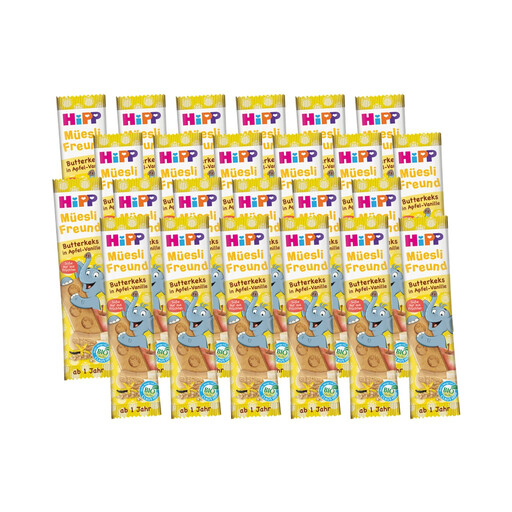
HiPP Organic Cereal Bars, Butter Biscuit, Apple-Vanilla, 24 × 20 g (from 12 months)
A multipack for planned snack occasions, provided your child has reached the stated age and can eat the bar upright, under supervision and in line with their eating skills.
The pack contains 24 cereal bars, each weighing 20 g. Before buying, check whether the bars are individually wrapped and review the current ingredients and nutritional information.
View at Joybuy
 No image available
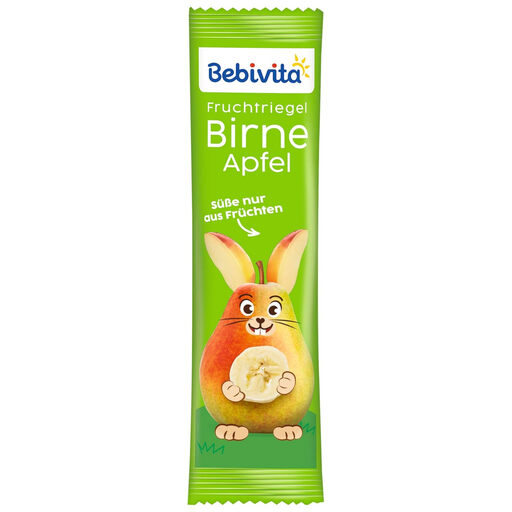
Bebivita Fruit Bars, Apple-Pear, 20 × 25 g (ages 1–3 years)
A multipack of fruit bars for planned snacks within the stated age range. As with any bar, make sure your child can manage it, and that they eat sitting upright and under supervision.
The pack contains 20 fruit bars, each weighing 25 g. Check the pack format and the current ingredients, allergen advice and nutritional information for the Apple-Pear variety.
View at Joybuy
Frequently asked questions
Are fruit bars suitable when starting baby-led weaning?
Bars labelled ‘from 1 year’ aren’t suitable as a first food for younger babies. For any food offered as part of a lumpy diet, consider your child’s development and eating skills. If you’re offering only finger foods, the Healthy Start in Life network recommends seeking individual advice.
Does a bar with no added sugar automatically contain little sugar?
No. The claim alone doesn’t tell you the total sugar content. Consumer Advice recommends checking the nutritional information when comparing products; look for ‘of which sugars’ and read the ingredients list for the specific variety.
What should I bear in mind if my child eats a bar while we’re out?
Your child should eat the bar sitting upright and under supervision. Product information from dm-drogerie markt for children’s fruit bars specifically warns against eating while lying down; also follow the advice on the current packaging.
How do I check for allergens before buying a multipack?
Read the ingredients and allergen information for each specific variety before stocking up. The documented fruit and cereal bars differ in the grains they contain and the possible traces of other allergens; if your child has a known allergy, always follow the information on the current product packaging.


