
Lieferung heute & morgen

Qualitätsgarantie

Willkommens-Angebote freischalten: KOSTENLOSE Lieferung | Bis zu 80 % RABATT | Kostenlose 30-Tage-JoyPlus-Testphase
App herunterladen
A balanced diet is the foundation of well-being. However, getting enough of all the necessary vitamins and minerals in our daily lives can be a challenge. A multivitamin juice can be a convenient supplement to help support your daily nutrient intake. The market offers a vast selection, and the differences between products are often not apparent at first glance.
This article serves as your guide. We'll introduce objective criteria to help you make your choice and present a selection of products with different specialisations, so you can find the perfect vitamin-fortified fruit juice for you or your family.
To make an informed decision, it's helpful to understand a few basic characteristics of fruit juices. The following points can help you with your selection.
A crucial quality indicator is the fruit content. Products with 100% fruit content consist solely of fruit juice, often made from fruit juice concentrate that has been reconstituted with water. Look for the label "no added sugar". This means no extra sugar (like sucrose) has been mixed in. The juice then only contains the sugar naturally present in the fruit. This is an important factor if you want to buy healthy juices and manage your sugar consumption.
Many multivitamin juices are not just a source of various vitamins but are also specifically fortified with certain minerals. For instance, a juice with iron can be relevant for individuals looking to support their iron intake, which is a key consideration for a potential juice for iron deficiency. A classic vitamin drink is the ACE juice, which specifically contains vitamins A (often as beta-carotene), C, and E. Check the nutrition label to see which vitamins and minerals are included and in what concentration.
For those watching their calorie intake, a reduced-calorie juice can be a suitable alternative. Such products often have a lower fruit juice content and are sometimes diluted with water. Instead of sugar, they may use sweeteners like steviol glycosides (from stevia) to maintain a sweet taste with fewer calories.
Based on the criteria mentioned, we have compiled a selection of products that cater to different needs.
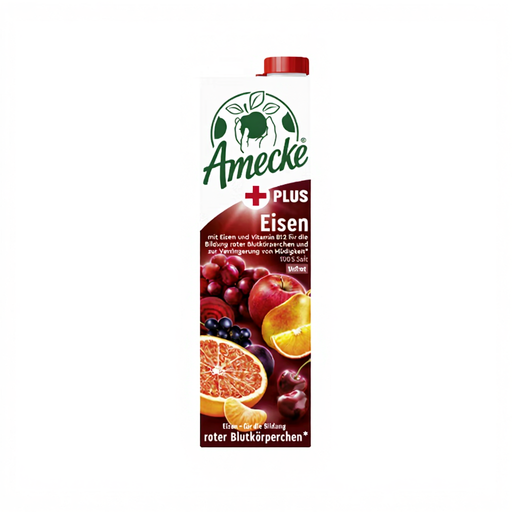
Why it stands out: This product is clearly positioned as a juice with iron. The formula combines various fruit juices with beetroot juice and is specifically fortified with iron, as well as vitamins C and B12. Vitamin C is known to enhance the body's absorption of iron.
Benefits:
Who is it for? This juice is aimed at individuals who want to specifically supplement their diet with iron. It can be a valuable addition for people with increased needs, such as those following a plant-based diet.
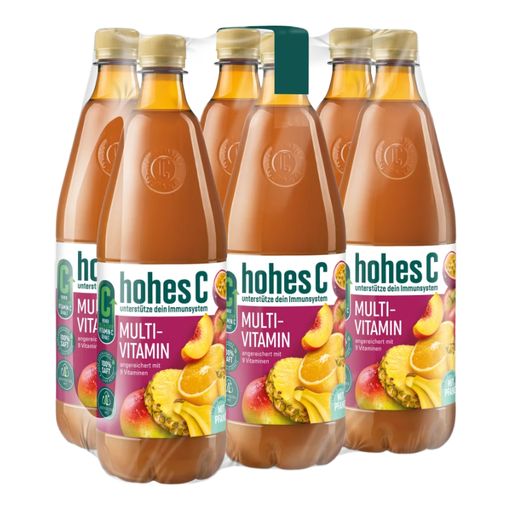
Why it stands out: Hohes C is an established brand in the juice aisle. This multivitamin version offers 100% fruit content and is fortified with a broad spectrum of vitamins. The product has no added sugar and relies on the natural sweetness of the processed fruits.
Benefits:
Who is it for? Ideal for families and individuals looking for a classic multivitamin juice for daily enjoyment who value 100% fruit content with no added sugar.
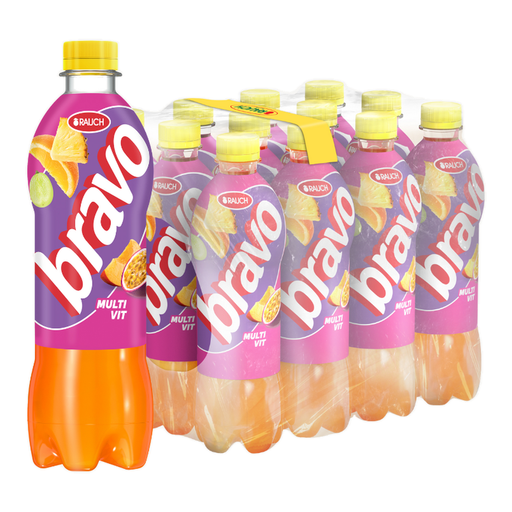
Why it stands out: This beverage is a classic ACE juice and also a reduced-calorie juice. At only 28 kcal per 100 ml, it's a lighter alternative to pure fruit juices. The sweetness is achieved through a combination of sugar and the sweetener steviol glycosides.
Benefits:
Who is it for? This vitamin drink is a great choice for calorie-conscious individuals or anyone who prefers a less sweet, lighter alternative to juices with a high natural sugar content.
Haven't found the right juice for your needs yet, or want to compare more alternatives? You can find a wider selection of products in our category.
Discover our full range of Multivitamin Drinks for more options.
Not-from-concentrate juice is pasteurised and bottled directly after the fruit is pressed. For juice from concentrate, water is removed from the freshly pressed juice in its country of origin. The concentrate is then transported and reconstituted at the bottling location with specially treated drinking water to its original fruit content. In terms of quality, the two versions are not necessarily different.
No. A vitamin-fortified fruit juice can supplement a balanced diet, but it cannot replace it. Whole fruits and vegetables also contain important dietary fibre and phytonutrients, which are often present in juices only in reduced amounts. Juices should be considered one part of a varied diet.
No. The "no added sugar" claim simply means that no table sugar (sucrose) or other sweetening ingredients like syrup have been added to the product. However, the juice still contains the sugar naturally found in the fruit (fructose). The exact sugar content is listed in the nutrition facts table on the label.