
当日/次日达

品质保障

开启新人专享福利: 全场免邮 | 低至 2 折 | 免费试用 30 天 JoyPlus 会员
下载 Joybuy
As a Joybuy Product Recommendation Officer, I see every day how overwhelming the juice aisle can be. Anyone looking for a healthy juice for their family is often faced with a wall of marketing claims. But not every juice advertised as "healthy" delivers on its promise. Before you make a decision, it's crucial to understand the common pitfalls that can lead to the wrong choice.
To make an informed decision that fits your lifestyle, you should check three core parameters.
Choosing the right multivitamin juice doesn't depend on the most colourful label, but on clearly defined quality characteristics. Pay attention to the following three points to ensure you're getting a high-quality product.
Official food labelling regulations precisely define what these terms mean.
For a nutrient-rich choice, you should always opt for a 100% fruit juice with no added sugar.
A look at the nutrition label is essential. The "Carbohydrates" line and the sub-item "of which sugars" show the total sugar content per 100 ml. Even a 100% fruit juice can contain 9–11 g of sugar per 100 ml—all of it naturally occurring fruit sugar. Products with added sugar, like many nectars and fruit juice drinks, often have an even higher total sugar content. Those who are consciously watching their calories should look for reduced-sugar versions or those with sweeteners.
The acidity of fruit juices can be a factor, especially for children or people with a sensitive stomach. A low-acid fruit juice is made from fruit varieties that are naturally less acidic, such as certain types of apples or oranges, as well as bananas and pears. These products offer the full fruit flavour with better digestibility.
Based on these objective criteria, we have compiled a selection of products suitable for different user profiles.
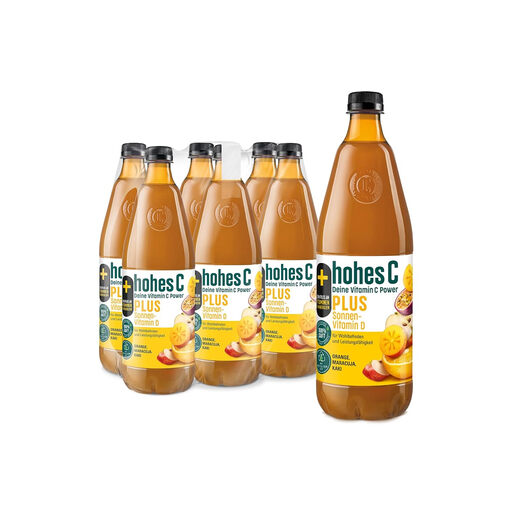
Why This Fits Their Persona: Ideal for families who need a reliable supply of nutrient-rich juice. The bulk pack is practical and cost-effective. This juice supports the immune system with vitamins C, D, and B12.
This product is a 100% juice and, according to the manufacturer, contains no added sugar. It bypasses the trap of nectars or fruit juice drinks with low fruit content.
Combines 100% fruit content with targeted fortification of vitamins D and B12, which are not found in many other juices.
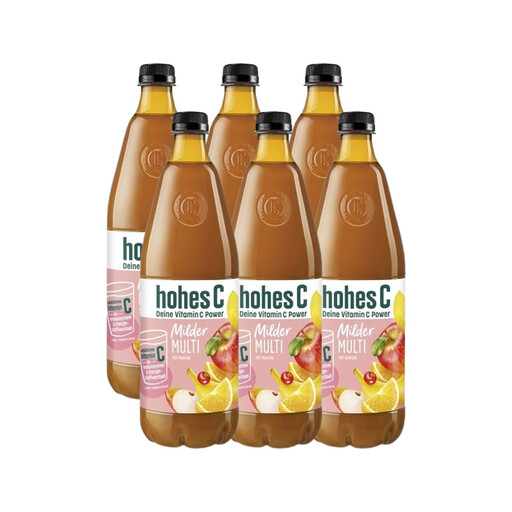
Why This Fits Their Persona: Specially developed for people who want the full vitamin content of a multivitamin juice without the often high acidity. This low-acid fruit juice is gentler on the stomach and also well-suited for children.
This product addresses the often-overlooked aspect of acidity. It is made from low-acid fruits, offering a solution for consumers who are sensitive to conventional juices.
Offers 100% fruit content and a wide range of vitamins while having a reduced acid level. Made from a blend of concentrates and banana purée.
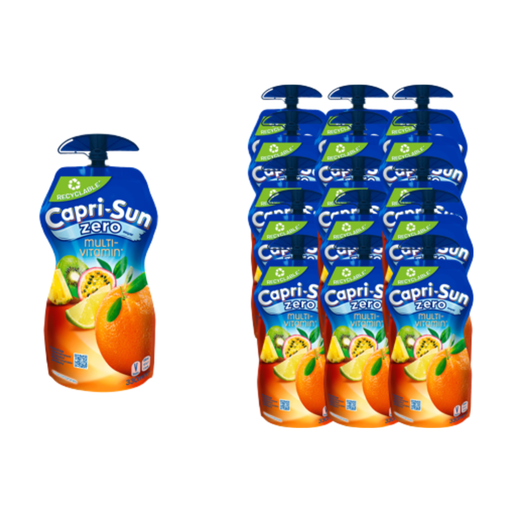
Why This Fits Their Persona: Perfect for anyone who wants to enjoy the fruity taste of a multivitamin drink without the calories and sugar. The convenient single-serving pouches are ideal for on-the-go.
This product is a fruit juice drink and avoids the sugar trap by using sweeteners. It is transparently labelled as a "Zero" version and is clearly aimed at calorie-conscious buyers.
Extremely low sugar (<0.5 g) and calorie content (3 kcal/100 ml) while being fortified with vitamins like C, E, and B vitamins. Ideal for a low-sugar diet.
We have compiled a complete, up-to-date list of products that fully meet these strict selection criteria and local regulations.
The "100% Juice" label means the product consists exclusively of juice from the stated fruits. No sugars, colourings, or preservatives may be added. The juice can either be directly pressed (not from concentrate) or made from concentrate by rehydrating it with water.
Once opened, multivitamin juice should always be stored in the refrigerator. Most manufacturers recommend consuming the juice within 3 to 4 days to ensure freshness and vitamin content. Always check the instructions on the packaging.
No. A "no added sugar" juice contains no industrially added sugar, but it still has the natural sugar from the fruit (fructose). A glass (250 ml) of apple or orange juice can contain over 20 grams of sugar and about 100 kilocalories. For a low-calorie option, products specifically labelled as "light" or "reduced sugar," or fruit juice drinks with sweeteners, are a more suitable choice.