
当日/次日达

品质保障

开启新人专享福利: 全场免邮 | 低至 2 折 | 免费试用 30 天 JoyPlus 会员
下载 Joybuy
By the Joybuy Product Recommendation Officer, August 28, 2026
The selection of multivitamin juices on supermarket shelves or online can be overwhelming. Colourful packaging and health-related claims make the decision difficult. But not every juice that looks healthy delivers on its promise. Many consumers invest in products that fail to meet their expectations for nutritional value and quality. This guide will help you recognise the typical pitfalls and make an informed choice.
Before you add a bulk pack of fruit juice to your shopping cart, you should be aware of the most common marketing traps that can lead to an unsuitable choice.
vitamin drink with low doses of many different vitamins may offer less benefit than a juice that provides targeted high amounts of specific vitamins, like Vitamin C or a juice with vitamin D.To find a high-quality multi-fruit juice that fits your needs, focus on these three objective criteria.
Food labelling regulations establish clear definitions that help you navigate the options:
healthy juice should ideally fall into this category.Capri-Sun typically fall into this category and are better viewed as a refreshment drink rather than a primary source of vitamins.A transparent ingredients list is your most important tool. Pay attention to the following points:
juice with no added sugar made from 100% fruit is a good choice, but even this should be consumed in moderation.A good juice with vitamins makes a relevant contribution to your daily nutrient supply.
juice with vitamin D can be useful for supporting the immune system.low-acid juice. These products are made from naturally low-acid fruits like bananas or pears and are often explicitly labelled as "mild." Brands like Hohes C Saft offer special lines for this.Here are some recommendations tailored to different user profiles.
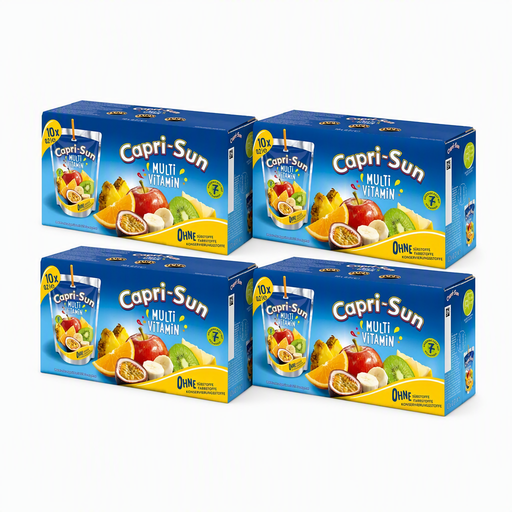
Why This Fits Their Persona: Ideal for daily use, school breaks, or outings. The large bulk pack offers excellent value for money, and the handy 0.2L pouches are popular with children and practical for on the go. Anyone looking to `buy Capri-Sun` will find this an economical solution.
This product is clearly declared as a "refreshment drink" with 10% fruit content. It avoids the trap of pretending to be 100% juice and honestly positions itself as a tasty vitamin drink for in-between.
Convenient single-serving pouches; large bulk pack for long-term planning; enriched with a vitamin blend.
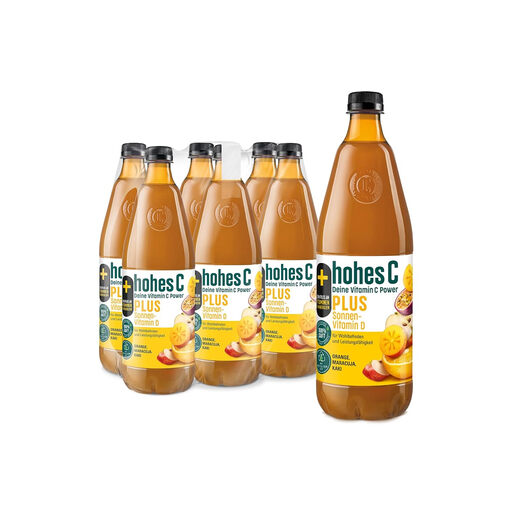
Why This Fits Their Persona: Perfect for adults who want to supplement their diet in a targeted way. The focus on Vitamin D is particularly relevant during the months with less sun to support the immune system and energy metabolism.
This product is a 100% juice with no added sugar, thus avoiding the pitfalls of low fruit content and added sugar. The vitamin enrichment is specific (Vitamin D, C, B12), not vague, with clear information on the daily dose.
Targeted nutritional supplement with Vitamin D; 100% fruit content; vegan and no added sugar.
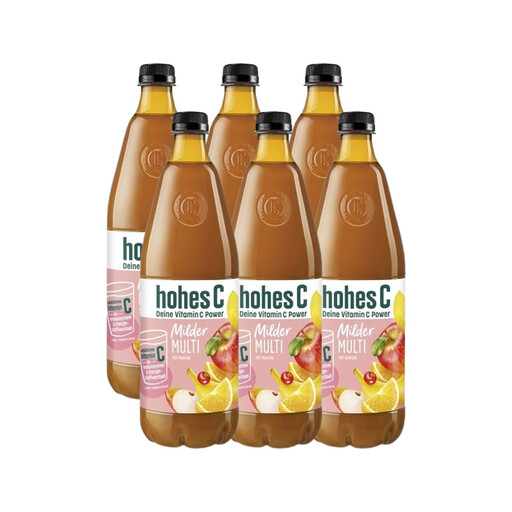
Why This Fits Their Persona: For people who often avoid fruit juices due to their high acidity. This juice is made from naturally low-acid fruits and offers full fruit flavour while being gentler on the stomach. It's a great choice for the whole family to meet daily vitamin needs without risking stomach discomfort.
This product directly addresses the often-overlooked "pitfall" of high acidity. It is clearly labelled as a "mild multivitamin juice" and offers a transparent solution for a specific consumer need, rather than just making general health promises.
Naturally low in acid and mild in taste; 100% fruit content; rich in vitamins to cover daily requirements.
We have compiled a complete, up-to-date list of products that fully meet these strict selection criteria and comply with food regulations.
A fruit juice always consists of 100% fruit. A fruit nectar has a lower, but legally regulated, fruit content (e.g., 25-50%) and may contain water and sugar. A fruit juice drink has the lowest fruit content and is legally a fruit-flavoured soft drink.
Once opened, multivitamin juice should always be stored in the refrigerator. Most manufacturers recommend consuming the juice within 3 to 4 days to ensure freshness and nutrient content. Always follow the instructions on the packaging.