
Lieferung heute & morgen

Qualitätsgarantie

Willkommens-Angebote freischalten: KOSTENLOSE Lieferung | Bis zu 80 % RABATT | Kostenlose 30-Tage-JoyPlus-Testphase
App herunterladen
Mung bean glass noodles, also known as bean thread noodles or vermicelli, are a staple in many Asian cuisines. Their popularity is steadily growing in the UK and Europe, not just among lovers of authentic dishes, but also with health-conscious consumers and those following a gluten-free diet. However, the selection in stores can be overwhelming, with products differing in ingredients, texture, and intended use.
This guide serves as a helpful resource. It is designed to help you understand the different types of glass noodles and make an informed purchasing decision that perfectly suits your culinary plans and dietary needs.
To find the right noodles for your kitchen, it's helpful to know a few basic characteristics. The following points can help you with your selection.
The most important factor when choosing glass noodles is their composition. The name "mung bean glass noodles" can be misleading, as not all products are made exclusively from mung bean starch.
Depending on their composition and thickness, glass noodles are suitable for different preparation methods.
The designation "Longkou Vermicelli" is a reference to a famous noodle variety that originally comes from the region around the city of Longkou in the Chinese province of Shandong. Traditionally, these noodles are made from mung bean and pea starch and are known for their high quality and good cooking stability. When you're buying glass noodles, this designation can be an indicator of a trusted product.
Based on the criteria mentioned above, we have compiled a selection of different glass noodle products that cover various requirements.
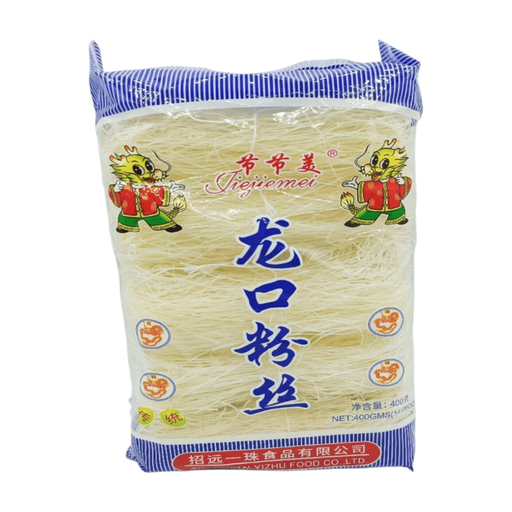
Why it stands out: These noodles are a classic example of Longkou Vermicelli. Made from a blend of pea and mung bean starch, they offer the silky texture and high heat resistance characteristic of this type.
Pros:
Who it's for: For cooks looking for an authentic and robust noodle for a variety of Asian dishes. Especially recommended for preparing hot pot, as the noodles hold their shape and bite well.
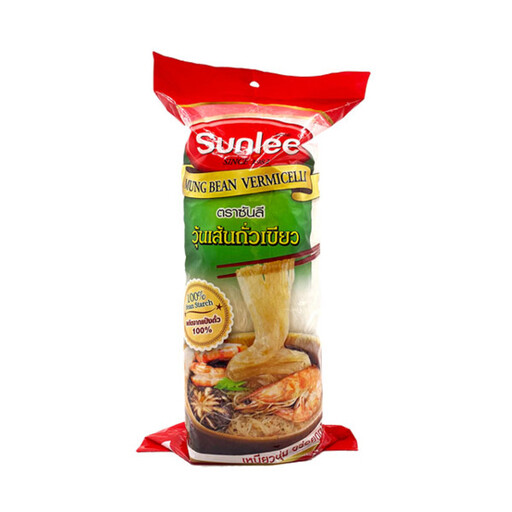
Why it stands out: According to the manufacturer, this product from Sunlee consists of 100% bean starch. This makes it a clear choice for anyone looking for a pure and guaranteed gluten-free noodle alternative.
Pros:
Who it's for: Ideal for health-conscious consumers and individuals with celiac disease or gluten sensitivity who don't want to compromise on ingredients. Its pure composition makes it a versatile base for numerous dishes.
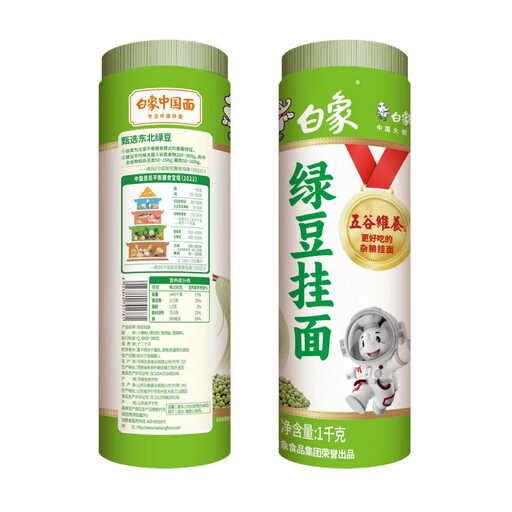
Why it stands out: These noodles from Bai Xiang combine wheat flour with mung bean flour. This blend results in a noodle with a refreshing taste and a light mung bean aroma, differing in texture and flavour from pure starch noodles.
Pros:
Who it's for: For anyone who appreciates the taste of wheat noodles but wants to try a version with the added aroma of mung beans. Important Note: Due to the wheat flour content, this product is not gluten-free.
In addition to specialised Asian ingredients, Joybuy offers a wide range of products for every need. If you'd like to expand your selection, take a look at our range of winter hiking tights.
No, not necessarily. While vermicelli noodles made exclusively from mung bean starch, pea starch, or other bean starches are naturally gluten-free, there are also products on the market that contain wheat flour or other gluten-containing ingredients. It is therefore essential to always check the ingredient list on the packaging before buying to ensure the product meets your dietary requirements.
Preparation is simple and quick. Typically, the dry noodles are soaked in warm (not boiling) water for a few minutes until they are soft and pliable. They can then be added to boiling water, broth, or directly into a stir-fry for 1–3 minutes, depending on the recipe, until they are translucent and cooked through. Avoid overcooking, as they can lose their texture. For salads, the cooked noodles are briefly rinsed with cold water.
The main difference lies in the raw material and the resulting properties. Glass noodles are made from the starch of beans (e.g., mung beans) or tubers (e.g., sweet potatoes). They become transparent when cooked (hence the name "glass noodles") and have an elastic, springy texture. Rice noodles are made from rice flour and water. They remain white or opaque after cooking and have a softer, less elastic consistency.