Mung beans (Vigna radiata) are small, green legumes that are a staple in Asian cuisine. Due to their nutritional profile, particularly their high protein and fibre content, they are also gaining significant traction in the UK among health-conscious consumers, vegans, and vegetarians. Correct selection and preparation are crucial to fully unlock the potential of this ingredient. This article provides a technical guide for purchasing and using dried mung beans.
Buying Guide: What to Look for in Mung Beans
The selection of mung beans is based on objective criteria related to quality, intended use, and shelf life.
1. Quality and Origin
The visual characteristics of the beans provide the first clues to their quality. Look for a uniform, vibrant green colour and intact husks. A high proportion of broken beans or discolouration can indicate improper processing or storage.
Another criterion is the cultivation method. Organic mung beans are grown according to EU organic farming regulations, which prohibits the use of synthetic chemical pesticides and fertilisers. An official certification, such as the EU organic logo and a control body number (e.g., GB-ORG-02), provides verification.
2. Intended Use
The planned application influences the choice:
- Sprouting mung beans: Freshness is critical for growing sprouts. Beans from the most recent harvest typically have the highest germination rate. The packaging should be undamaged and airtight to avoid compromising this rate.
- Cooking mung beans: For dishes like dal, curries, or a mung bean soup, the cooking time is a relevant factor. While some varieties are tender in about 30 minutes after soaking, others require longer. The manufacturer's product information often provides guidance on this.
3. Packaging and Storage
Dried mung beans have a long shelf life when stored correctly. Opaque and airtight packaging protects the beans from moisture, pest infestation, and the loss of nutrients. After opening, the beans should be stored in a resealable container in a cool, dry place.
Our Product Selection for 2026
The following selection is based on an analysis of product specifications and brand positioning.
Alnatura Organic Mung Beans 500g
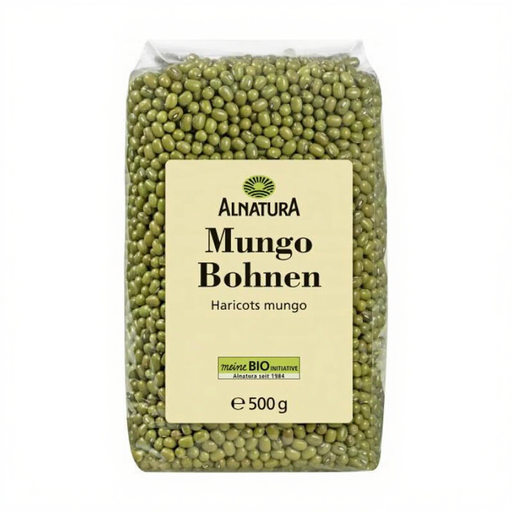
- Why We Recommend This Product: With its DE-ÖKO-001 certification, this product meets a clear and verifiable quality standard. Alnatura is an established brand in the German organic sector, which indicates consistency in product quality. Its explicit suitability for sprouting is a practical benefit for the consumer.
- Pros:
- Organic Certification: Complies with EU guidelines for organic farming.
- Clear Usage Instructions: The manufacturer provides precise instructions for soaking and cooking.
- Versatility: Suitable for both cooking and sprouting, according to the manufacturer.
- Best For: Consumers who value certified organic quality and prefer a product from a well-known European brand. Ideal for beginners who appreciate clear preparation instructions.
Cock Brand Green Mung Bean 400g
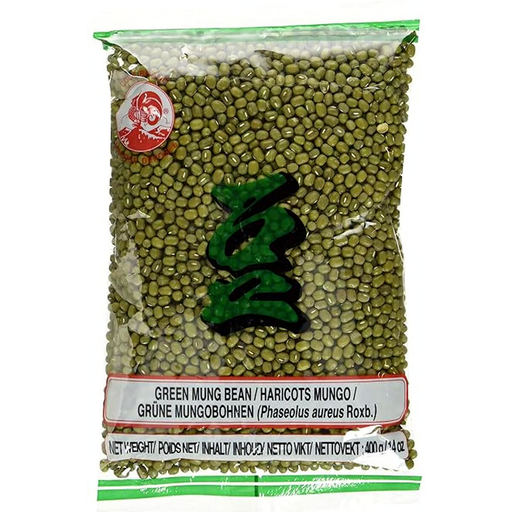
- Why We Recommend This Product: The "Cock Brand" is a strong player in the European market for Asian foods. This positions the product as an authentic ingredient for traditional Asian dishes. The nutritional information is listed in detail.
- Pros:
- Authenticity: A popular choice for preparing traditional Asian recipes.
- Specific Focus: The product is clearly aimed at culinary use in Asian cuisine.
- Nutritional Profile: The packaging provides specific details on energy, carbohydrates, and protein content.
- Best For: Home cooks with a passion for authentic Asian cuisine who are looking for an ingredient commonly used in that culinary context.
Shi Yue Dao Tian Mung Beans 500g
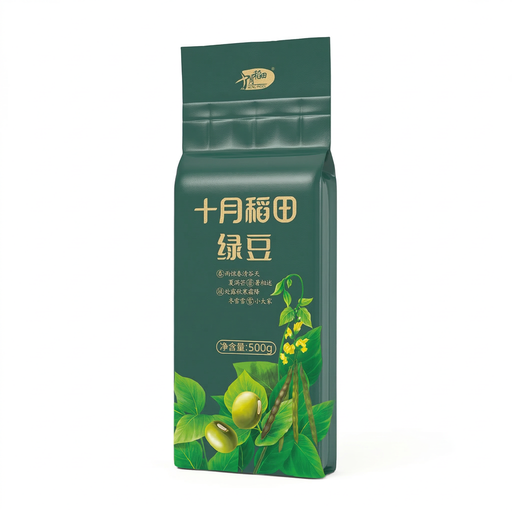
- Why We Recommend This Product: The product description from Shi Yue Dao Tian focuses on the physical properties of the raw ingredient—"plump, bright" beans from core growing regions. This specification suggests a meticulous selection of raw materials. The brand positions itself as a provider of high-quality grains and cereals.
- Pros:
- Product Quality: The description emphasises the physical quality of the beans (size, colour).
- Specific Application: Recommended for classic Chinese preparations like congee or sweet pastes.
- Brand Philosophy: The brand communicates a clear focus on the origin and natural processing of its products.
- Best For: Users who want to use mung beans for specific Chinese dishes, such as sweet soups or porridge, and who value the described quality of the raw ingredient.
Basic Preparation Methods
To get the most out of green mung beans, two fundamental techniques are relevant.
Cooking Mung Beans
- Wash: Rinse the beans thoroughly under running water.
- Soak: For a shorter cooking time and improved digestibility, soak the beans in ample water for at least 4 hours, or ideally overnight. Discard the soaking water afterwards.
- Cook: Place the beans in a pot with three times their volume of fresh water, bring to a boil, and simmer over low heat for about 30–45 minutes until tender.
- Season: Add salt and other spices only towards the end of the cooking time, as salt can toughen the skins and prolong the cooking process.
Sprouting Mung Beans
- Soak: Soak a small amount of mung beans (approx. 2–3 tablespoons) in water overnight.
- Rinse and Drain: Drain the water and rinse the beans thoroughly. Place them in a sprouting jar or a sieve and let them drain.
- Germination: Place the container in a dark place at room temperature. Rinse the beans with fresh water 2-3 times daily to prevent mould growth.
- Harvest: After 2–4 days, the sprouts are ready to harvest. They can be used raw in salads or briefly blanched in stir-fry dishes.
Discover Alternative Legumes
Mung beans are one of many nutrient-rich legumes. If you are looking to expand your range of plant-based protein sources or are seeking an alternative, the world of beans offers a wide variety. For a selection of related products, especially in the soybean category, you can find more options in our raw soybeans category.
Frequently Asked Questions (FAQ)
1. Do you have to soak mung beans before cooking? Soaking is not strictly necessary, but it is highly recommended. It significantly reduces the cooking time (from over an hour to approx. 30 minutes) and can improve the digestibility of the beans, as some indigestible carbohydrates are partially broken down.
2. Can all dried mung beans be sprouted? In principle, most dried mung beans are capable of sprouting. However, the germination rate tends to be higher for fresher beans sold specifically for this purpose. Very old or heat-treated beans may no longer sprout reliably.
3. Are mung bean sprouts and soybean sprouts the same thing? No. Mung bean sprouts, as the name suggests, are grown from mung beans. They are typically thinner and have a smaller, yellow head. Soybean sprouts come from the soybean, are thicker, and have a much larger, yellowish head. Their taste and texture also differ.
Authored by: Joybuy Product Recommendation Officer


