
Lieferung heute & morgen

Qualitätsgarantie

Willkommens-Angebote freischalten: KOSTENLOSE Lieferung | Bis zu 80 % RABATT | Kostenlose 30-Tage-JoyPlus-Testphase
App herunterladen
Muscat products combine a distinctive grape flavour with a variety of textures and preparation methods. In Germany, searches for Muscat drinks and snacks bring up Korean fruit drinks, Japanese Muscat jelly, Muscat konjac jelly, Shine Muscat cider and Muscat wines. However, these products differ considerably in terms of ingredients, calories, portion size and alcohol content.
If you buy solely because of the eye-catching fruit name on the packaging, it is easy to overlook important details. Three common purchasing misconceptions are particularly relevant:
For a Muscat grape drink or Korean Muscat Ade, the order of the ingredients is informative. Ingredients are generally listed in descending order by weight. If water, sugar or fructose syrup appear first and Muscat or Shine Muscat juice only appears further down the list, the product is more likely to be a flavoured soft drink than pure grape juice.
According to the product information, Jardin Korean Muscat Ade Pouch Drink 230 ml is made with water, sugar, high-fructose corn syrup and 1% lemon concentrate. Its nutritional information states 47.8 kcal and 10.9 g of sugar per 100 g. This is more relevant when comparing it with other drinks than the term “Ade”.
Compare drinks per 100 ml and jellies per 100 g. You should then take the actual pack size into account:
The term low-calorie jelly therefore only makes sense in the context of the specific nutritional information. For products containing sweeteners, you should also read the ingredients list. Among other ingredients, the Orihiro product lists aspartame as a source of phenylalanine. Anyone with a relevant intolerance or metabolic condition should take this information into account.
A Muscat grape wine or sweet white Muscat wine is intended exclusively for adults. Yellow Tail Moscato is listed with 7.5% vol. alcohol and a recommended serving temperature of 12 to 14 °C. According to the product data, Kiechlinsberger Müller-Thurgau & Morio-Muskat Sweet White Wine contains approximately 11 to 13% vol. alcohol. Both wines contain sulphites.
For drinks that are alcohol-free or not labelled as alcoholic, you should also check the alcohol content on the label. This is particularly important for an item described as cider. Store jellies in a cool, dry place or at room temperature, protected from sunlight and heat, as stated in the product information. Once opened, they should be consumed immediately.
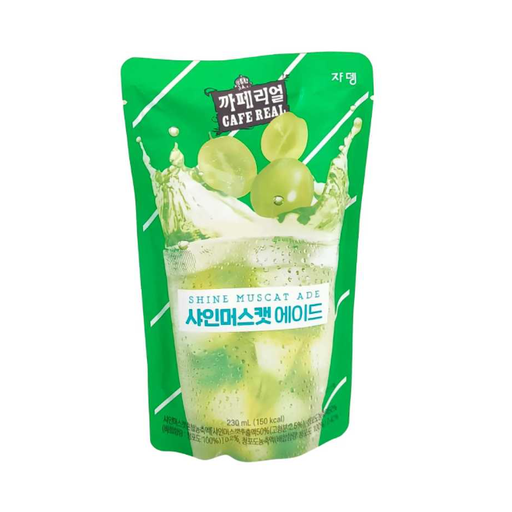
Why this product suits the profile: This ready-to-drink pouch is ideal for anyone who wants to discover Korean specialities without any fuss. It can be served chilled or over ice.
The 230 ml portion size and stated nutritional values make it easier to monitor quantities and sugar intake. The fruit and syrup content can be checked clearly in the ingredients list.
230 ml pouch, ready to drink, 47.8 kcal per 100 g and 1% lemon concentrate according to the product information.
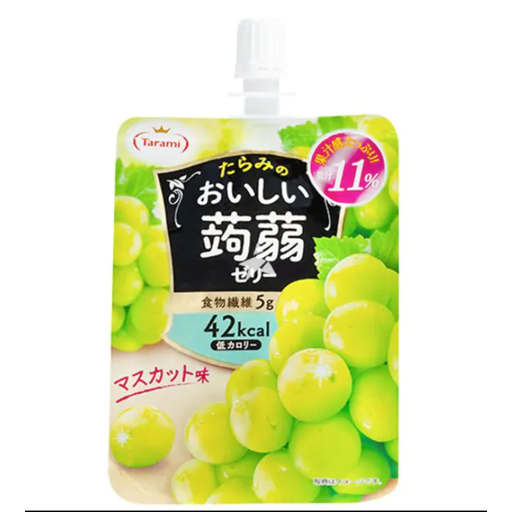
Why this product suits the profile: The listed recipe includes water, sugar, Muscat and apple juice concentrate, as well as konjac powder. This makes it possible to assess the product precisely rather than relying solely on its name.
The nutritional values of 54 kcal and 11.5 g of sugar per 100 g make it possible to compare this product with other jellies.
150 g portion, Muscat and apple concentrate, 0 g of fat per 100 g and a slightly elastic consistency.
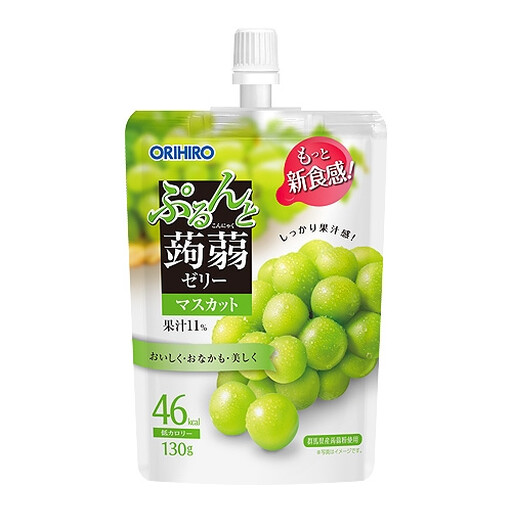
Why this product suits the profile: The individually portioned stand-up pouch is practical for the office, travelling or keeping in reserve. The jelly is ready to eat without any preparation.
The packaging provides specific guidance: do not heat or freeze the product, consume immediately after opening, and consuming larger quantities may cause diarrhoea.
130 g contents, 35 kcal per 100 g, Muscat and apple juice, plus konjac powder according to the product declaration.
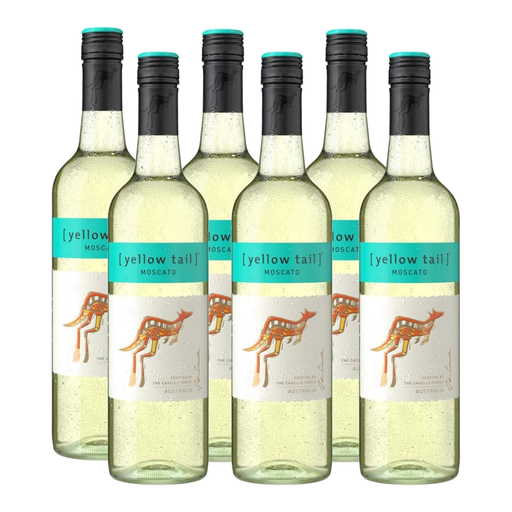
Why this product suits the profile: This sweet white Muscat wine is aimed at adult shoppers looking for several bottles to serve as an aperitif, with food or to keep in reserve.
The alcohol content of 7.5% vol., 68.5 g/l residual sugar and recommended serving temperature are clearly stated.
Six bottles of 0.75 l, Moscato Bianco grape variety and storage in a cool, dark place.
We have put together a complete, regularly updated list of products that fully meet these strict selection criteria and the safety regulations applicable in the EU.
For a Japanese Muscat jelly with a higher fruit content, consider Shimonita 100% Juice Jelly Muscat Flavor. According to the product information, it contains 100% juice jelly made with Muscat and apple juice, and provides 97 kcal per 100 g. Shimonita Konjac Kobo Konjac Jelly Muscat Flavor contains 106 kcal per 100 g and also uses fruit juice and konjac powder.
If you are looking for Muscat jelly with a lower stated energy content, you can consider Orihiro Purun and Standing Zero Calories Shine Muscat, which contains 0 kcal per 100 g according to the product data. As carbohydrates and sweeteners are also listed, the current labelling on the packaging should be the deciding factor before purchase.
Tomomasu Shinshu Shine Muscat Cider is best served chilled. The product information states that it contains 1% grape juice, carbon dioxide and 42 kcal per 100 ml. For all drinks, it is also worth checking the bottle size, closure, best-before date and storage instructions.
Shine Muscat Ade is a ready-to-drink soft drink that is usually sweet and tangy. Muscat jelly is eaten as a soft snack and may have an elastic consistency due to konjac powder or other gelling agents. Both types of product should be compared based on fruit content, sugar and portion size.
The best-before date is shown on the relevant packaging. Store unopened products in a cool, dry place or at room temperature, according to the manufacturer’s instructions. Once opened, they should be consumed immediately and should not be frozen or heated where the product specifically advises against this.
Moscato and Muscat wines are often sold as sweet or aromatic wines, but their exact residual sugar and alcohol content can vary considerably. You should therefore check the information on the bottle. The examples mentioned contain approximately 7.5% and 11 to 13% vol. alcohol respectively and are intended exclusively for adults.