First, check whether your playback device supports the USB-C or 3.5 mm headphones you want to use, or can pair reliably with a Bluetooth model, and test your downloaded recording before your visit. If you want to stay aware of people around you, consider open-ear headphones or a transparency mode. If background noise is making it difficult to hear, well-fitting in-ear headphones with ANC may be an option. Whatever style you choose, fit, battery level and keeping the volume at a sensible level are all important.
Which headphones are right for you?
Visitors using their own audio guide
If you’re listening to recordings on your smartphone, first check that the headphones, playback and app all work together on your device. The Deutsches Museum recommends bringing your own headphones for its app. JBL, Sennheiser Hearing and Apple also highlight compatibility as something to check for their wired models or connections.
Visitors who want to stay aware of those around them
If you want to hear your companions and announcements around you while following the tour, consider open-ear headphones or in-ear headphones with a transparency mode. Shokz describes the OpenFit Air 2 as having an open-ear design, while soundcore lists different listening modes for the Liberty 4 NC. Check in the exhibition itself what you can hear with each option.
Visitors to busy exhibitions
If you want to understand spoken content over background noise, check the fit and speech clarity with a recording rather than automatically turning the volume right up. The World Health Organization recommends keeping the volume at a sensible level. soundcore’s information for the Liberty 4 NC also highlights the importance of a good seal and notes that battery life varies depending on the listening mode.
What should you look for?
Wired via USB-C or 3.5 mm
A good fit if: your playback device supports the relevant audio connection and you’ve tested it with your guide.
Bear in mind: a USB-C connector alone doesn’t confirm audio compatibility, and a cable can get in the way as you move around.
Open-ear Bluetooth headphones
A good fit if: you want to stay aware of people around you and hear background sounds without changing modes.
Bear in mind: open-ear headphones do less to block out distracting noise, and you’ll need to make sure Bluetooth is paired and the battery is charged.
Bluetooth in-ear headphones with ANC and transparency mode
A good fit if: you want to switch between noise isolation and awareness of your surroundings in a busy setting.
Bear in mind: fit and listening mode affect the result, and transparency mode doesn’t guarantee that you’ll hear every announcement.
Wireless on-ear headphones without an awareness mode
A good fit if: you don’t want to wear in-ear headphones and will mostly be listening in quiet areas.
Bear in mind: Sony lists neither an audio input nor an awareness mode for the WH-CH520, so don’t plan to use this model with a cable.
| What matters |
What to check before buying |
Who is this important to? |
| Compatibility with your device and app |
Test the audio guide recording on your own device and headphones; don’t assume USB-C or 3.5 mm audio support from the shape of the connector alone. |
I want to listen to the downloaded tour directly on my playback device; around 25% of consumers prioritise connection and app compatibility. |
| Speech clarity |
Check the fit and how clearly you can hear a real recording; start at a low volume. |
If I want to understand spoken content in busy rooms without listening at an unnecessarily high volume, this is my main concern. Around 25% of consumers prioritise speech clarity. |
| Awareness of your surroundings |
At a low volume, check whether you can still hear conversations and announcements around you clearly enough. |
I want to stay aware of my companions and hear announcements during the tour; around 19% of consumers prioritise awareness of the people and surroundings around them. |
| Comfort |
Try the headphones on for as long as possible; with in-ear headphones, test the available ear tip sizes. |
For a longer visit, I need a fit that feels comfortable to me; around 19% of consumers consider comfort their most important selection criterion. |
| Cost and charging |
Check in advance whether the museum offers headphones or a device to borrow; for Bluetooth headphones, check the battery life in the listening mode you plan to use. |
I don’t want to pay for an unnecessary extra purchase or have to charge another battery; around 12% of consumers focus mainly on cost and charging. |
Avoid common misconceptions
-
A USB-C connector doesn’t automatically mean audio compatibility
Whether the headphones can play audio from your particular playback device depends on the device’s capabilities. JBL specifically advises checking device compatibility for the Tune 310C USB.
Before your visit, play a downloaded recording on your own device using the headphones you plan to bring.
If the combination doesn’t work, you may need different compatible headphones or a separately checked connection solution.
-
Manufacturer battery life claims don’t apply equally to every listening mode
soundcore lists different battery life figures from laboratory tests for Normal, ANC and transparency modes on the Liberty 4 NC; actual battery life depends on how you use them.
Check which listening mode you plan to use and charge your headphones before your visit.
A flat battery can interrupt playback and mean you have to recharge.
-
More noise isolation isn’t always the best choice for a museum
Blocking out noise and hearing your companions or announcements around you serve different purposes. Open-ear headphones and in-ear headphones with ANC involve different trade-offs.
Choose according to the exhibition and check speech clarity and awareness of your surroundings at a low volume.
Key brands at a glance
JBL
The Tune 310C USB is a wired USB-C option, provided your playback device is compatible.
- JBL lists an in-line remote with volume and playback controls, as well as Vocal EQ.
- You’ll need to check USB-C audio compatibility with your specific device; this doesn’t demonstrate improved speech clarity.
Sennheiser
The CX 80S is a wired 3.5 mm option for playback devices with a compatible socket.
- Sennheiser Hearing lists a 1.2 m cable and ear tips in three sizes.
- You can’t use this model straight away without a compatible connection.
Shokz
The OpenFit Air 2 is an open-ear Bluetooth option for visitors who don’t want in-ear tips.
- Shokz describes an open-ear design with an ear hook.
- Check the fit and speech clarity for yourself in a noisy exhibition.
soundcore
The Liberty 4 NC is an in-ear option with ANC and transparency mode for different listening situations.
- soundcore describes different listening modes and lists separate battery life figures from laboratory tests.
- Actual battery life depends on how you use them; a good fit is important for noise cancellation.
Sony
The WH-CH520 is a closed-back Bluetooth on-ear headphone for visitors who don’t want in-ear headphones.
- Sony lists the weight as approximately 147 g in its German specifications.
- According to the specifications, this model has neither an audio input nor an awareness mode, so don’t plan to use it with a cable or switch on awareness of your surroundings.
Joybuy products for museum audio guides
The models below are mostly Bluetooth headphones in on-ear or in-ear styles; some also offer wired use or a transparency mode. Before buying, consider which style you’d like to wear and check whether any wired connection offered will work with your playback device.
 No image available
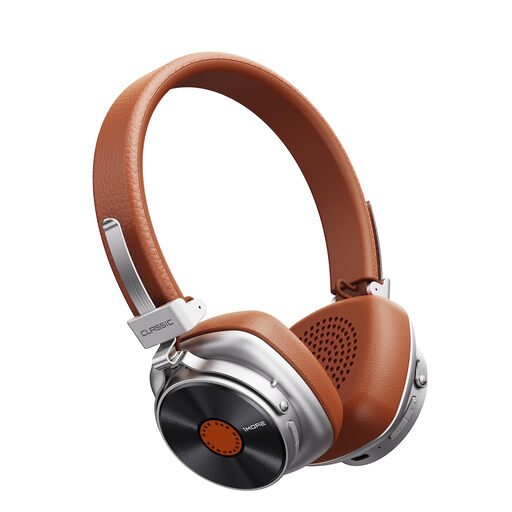
1MORE Classic HQ36 wireless on-ear headphones
For you if you want to use Bluetooth and switch to wired USB-C when needed; your playback device must support a compatible audio connection.
The product description lists ANC, a transparency mode, six EQ presets and swivelling ear cups.
Joybuy
 No image available
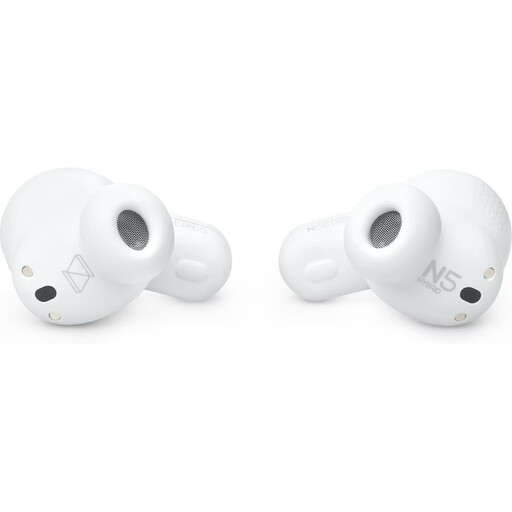
AKG N5 Hybrid true wireless in-ear headphones
For you if you want Bluetooth in-ear headphones with ANC and adjustable transparency; transparency mode doesn’t guarantee that you’ll hear every announcement.
The description lists touch controls and a charging case.
Joybuy
 No image available
JBL Tune 670NC wireless on-ear headphones
For you if you’re looking for on-ear headphones with Bluetooth and a choice of options for hearing the sounds around you; these modes don’t guarantee that you’ll hear every announcement.
The description lists ANC, Ambient Aware, TalkThru and a 3.5 mm cable connection.
Joybuy
 No image available
JBL Tune 520BT wireless on-ear headphones, White
For you if you want Bluetooth on-ear headphones without in-ear tips; the description lists buttons for controlling playback and volume.
The model is described as foldable and has an adjustable headband.
Joybuy
 No image available
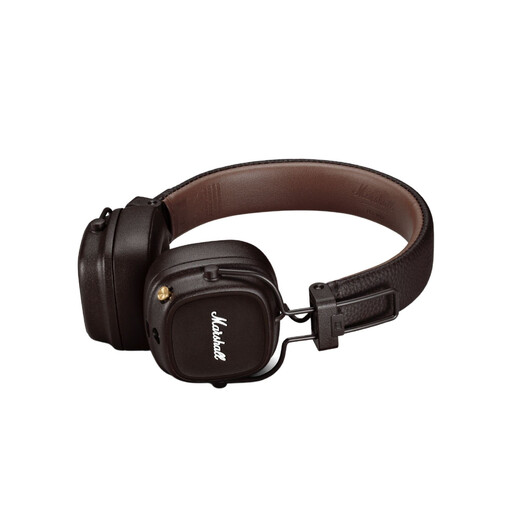
Marshall Major IV on-ear Bluetooth headphones, Brown
For you if you want to listen via Bluetooth and also use a 3.5 mm cable; your playback device needs a compatible connection for wired use.
The description lists an included 3.5 mm cable, a foldable design and a control for volume and playback.
Joybuy
Frequently asked questions
Will downloaded recordings work without an internet connection?
It depends on the audio guide. museum.de describes its guides as working offline; before your visit, test whether your particular recording will start in the app or browser you’re using without a connection. Offline playback doesn’t tell you which headphone connection you’ll need.
Do I need to bring my own headphones to the museum?
Not necessarily: the Deutsches Museum recommends bringing your own headphones for its smartphone app, and also offers audio guide devices with headphones to borrow. Check what’s available at the specific museum you’re visiting.
How do I get my Bluetooth headphones ready for the audio guide?
Pair your headphones with the playback device you plan to use beforehand, test a downloaded recording and charge them before your visit. The battery life figures soundcore lists for the Liberty 4 NC vary by listening mode; actual battery life depends on how you use them.
How loud should I listen to the audio guide?
Start quietly and only turn the volume up as much as you need to. The World Health Organization recommends setting your device volume to no more than 60% of the maximum; the percentage shown doesn’t replace measuring the actual sound level at your ear.
Are your own headphones or ANC allowed in every German museum?
There’s no general rule that applies to every museum. Check the visitor rules for the museum you plan to visit; the Deutsches Museum’s offer isn’t an example that applies across Germany.


