If you want to hear your companions and announcements as clearly as possible, open-ear headphones are a natural place to start. If conversations make it hard to understand the guide, consider well-fitting, noise-isolating in-ear headphones or a model with switchable listening modes. More isolation can also make it harder to hear your surroundings. Before buying, check with the museum whether the guide runs on your smartphone or a loan device, and which connection you can use: the Deutsches Museum says devices are issued at its Verkehrszentrum, while museum.de describes smartphone guides.
Who are the different styles suitable for?
Exploring the museum with others
If you want to listen to the guide while still hearing conversations or announcements, consider open-ear headphones. Sony describes the LinkBuds Open as having an open ring design, while Shokz lists the OpenFit 2 as an open-ear model.
Focused on the commentary
If background conversations make it difficult to follow, consider well-fitting, noise-isolating in-ear headphones or a model with switchable listening modes. Sony lists noise cancellation for the WF-1000XM5, while the WHO recommends well-fitting headphones so you don't have to turn them up as much in noisy surroundings.
Using your own device or a loan guide
If you want to use wired headphones or Bluetooth, first check which device the guide uses and what type of connection it supports. The Deutsches Museum describes audio guide devices that are issued to visitors, while museum.de describes a guide on your smartphone.
What should you look for when buying?
Open-ear headphones
Suitable if: you want to hear your companions or announcements as clearly as possible while listening to the guide.
The trade-off: background conversations will also remain audible and may make it harder to follow the guide.
Wireless in-ear headphones with switchable listening modes
Suitable if: you want more isolation when conversations are distracting, but would like to be able to switch modes. Apple lists noise cancellation and Transparency mode for the AirPods Pro 3.
The trade-off: the fit, the mode you select and compatibility with the playback device all affect how well this option suits your visit.
Closed, wired in-ear headphones
Suitable if: there's a compatible 3.5 mm output and you prefer an isolating fit without wireless playback. The Sennheiser IE 200 has a 3.5 mm plug.
The trade-off: a closed fit makes conversations less audible, and the connection must be compatible with any loan device.
| Priority |
What to check when buying |
Who is it important to? |
| Being aware of your surroundings |
Check the open-ear design and fit, and make sure the guide is still clear at a low volume. |
If I want to listen to the guide while still hearing my companions or announcements, being able to hear what's around me is important. Around 31% of consumers put awareness of their surroundings first. |
| Understanding speech |
Check the fit of the ear tips and, for wireless models, see whether you can switch between noise isolation and transparency. |
If conversations drown out the guide, I want to understand the commentary without simply turning up the volume more and more. Around 25% of consumers prioritise speech clarity. |
| Comfort during your visit |
Check the design and the sizes of ear tips available; if possible, try them for as long as you expect to wear them. |
If I'll be wearing the guide for a while, I want headphones that feel comfortable and stay securely in place. Around 25% of consumers prioritise comfort. |
| Connecting to the guide |
Check with the museum whether you'll use your own smartphone or a loan device, and whether 3.5 mm or Bluetooth is supported. |
If I want to use my own headphones, they need to connect to the specific guide. Around 19% of consumers prioritise having the right connection for their device. |
Which buying decisions could cause problems?
-
Open doesn't mean conversations are filtered out
Open-ear headphones let surrounding sounds reach your ears. This can help you hear conversations and announcements, but it may also make the guide harder to follow.
If background conversations are distracting, consider well-fitting, noise-isolating in-ear headphones or a model with switchable listening modes, rather than choosing based on the words “open ear” alone.
-
Don't assume Bluetooth or 3.5 mm will be supported
Museums may provide guides through your own smartphone or on devices issued to visitors. That doesn't mean every audio guide uses the same type of connection.
Before settling on a particular model, ask the museum which playback device and connection it uses, and check its rules for using your own headphones.
-
Don't simply turn up the volume to drown out noise
If conversations drown out the guide, continually turning up the volume is no substitute for choosing the right fit or listening mode.
The World Health Organization recommends well-fitting headphones and, where appropriate, noise cancellation, so you don't have to turn the volume up as much in noisy surroundings. Adjust the fit and mode instead of continually turning up the volume.
Which brands are worth considering?
Sony
The LinkBuds Open have an open design, while the WF-1000XM5 are a different type of in-ear headphone.
- Sony describes the LinkBuds Open as having an open ring design. For the WF-1000XM5, Sony lists noise cancellation and isolating ear tips.
- If you want to hear your companions, check the listening mode on any noise-isolating model. The model specifications don't confirm compatibility with a particular museum loan device.
Shokz
The OpenFit 2 are an open-ear alternative with ear hooks, worth considering if awareness of your surroundings and a secure fit matter to you.
- Shokz lists an open-ear design and physical buttons for the OpenFit 2.
- An open design doesn't isolate you from background conversations like a closed in-ear model does.
Sennheiser
The IE 200 are a wired, closed in-ear option for use with a compatible 3.5 mm output.
- Sennheiser lists a 3.5 mm plug, ear hooks and different ear tips.
- You can't connect them directly without a compatible output, and a closed fit makes conversations less audible.
Apple
The AirPods Pro 3 combine noise cancellation and Transparency mode in one model.
- Apple lists both listening modes and five sizes of ear tips for the AirPods Pro 3.
- Apple notes that some features may be limited on devices from other manufacturers. This doesn't guarantee that they can connect to a museum loan device.
Joybuy products for museum audio guides
This selection includes wired 3.5 mm in-ear headphones, as well as open-ear and wireless headphones with noise control features. Before buying, check that the connection is compatible with the audio guide and that your playback device supports the features you want to use.
 No image available
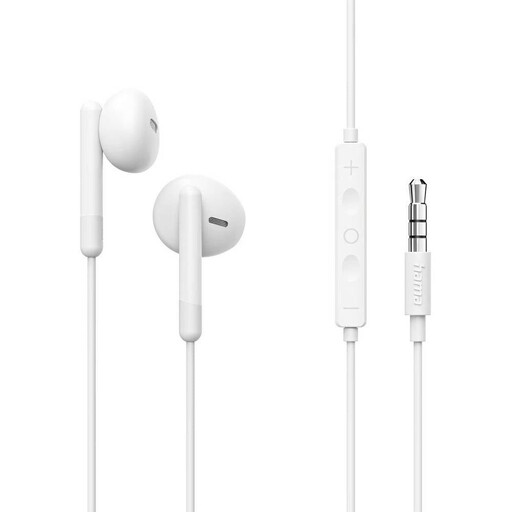
Noble in-ear headphones with microphone, 3.5 mm jack, white
A wired option if the audio guide has a compatible 3.5 mm connection.
3.5 mm jack; microphone.
View at Joybuy
 No image available
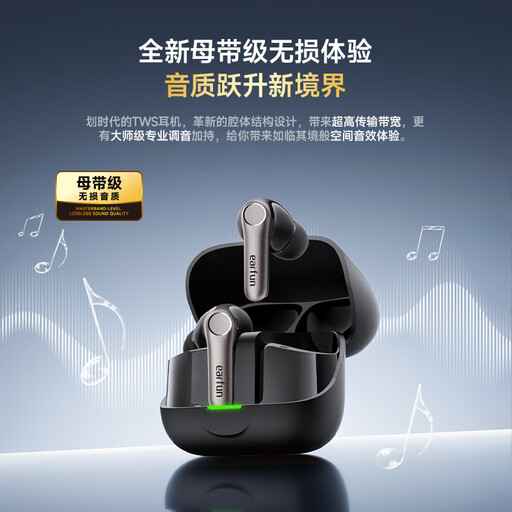
EarFun Air Pro 4+ ANC Earbuds
A wireless in-ear option if you want to check the fit of the ear tips and the noise control features; check compatibility with the guide device.
Bluetooth 6.0; LDAC; aptX Lossless; stated playback time: 54H; IP55.
View at Joybuy
 No image available
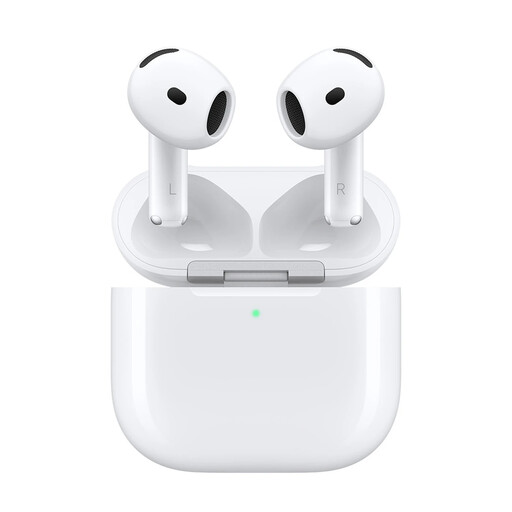
AirPods 5 open-ear headphones with active noise cancellation
The product name lists an open-ear design and active noise cancellation. Before buying, check how the features work with your playback device.
Bluetooth; the product description notes limited functionality with other Bluetooth devices.
View at Joybuy
 No image available
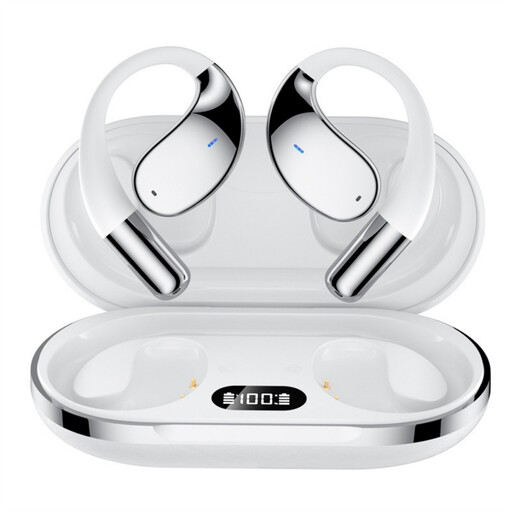
Open-ear headphones with Bluetooth 5.4, white
An open-ear design to consider if you also want to hear surrounding sounds while listening to the guide; background conversations may remain audible too.
Bluetooth 5.4; ENC microphone; USB-C charging case; white.
View at Joybuy
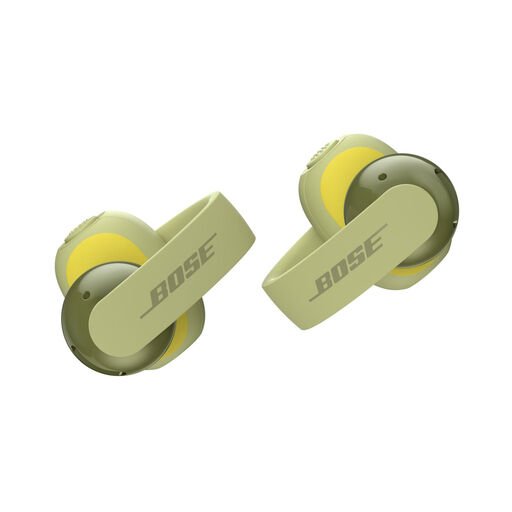 No image available
Bose Sport Open Earbuds, Eucalyptus Green
An open-ear option if you want to leave your ear canal unobstructed and be more aware of your companions or announcements. The open design doesn't isolate you from background conversations like a closed in-ear model does.
View at Joybuy
Frequently asked questions
Can I use my own headphones with any museum audio guide?
No, you can't assume that will be possible everywhere. museum.de describes guides on visitors' smartphones, while the Deutsches Museum says devices and headphones are issued at its Verkehrszentrum. Check the connection and usage rules with the museum you're visiting.
Which headphones are suitable if I want to hear my companions?
Open-ear headphones let surrounding sounds reach your ears, so they're one style worth considering. That also means background conversations may remain audible and could distract you from the guide.
What can I do if conversations drown out the guide?
First check the fit and the listening mode you've selected, rather than continually turning up the volume. The World Health Organization recommends well-fitting headphones and, where appropriate, noise cancellation, so you don't have to turn them up as much in noisy surroundings.
Will Bluetooth headphones work with every loan device?
Don't assume they will: it depends on the specific playback device and the museum's rules. Before buying, check with the museum whether you can use Bluetooth or another connection.
What should I look for in the fit?
Check that the design feels comfortable in your ears and stays securely in place for the length of your planned visit. Apple lists five sizes of ear tips for the AirPods Pro 3, but that still doesn't guarantee a suitable fit for every ear.


