Speakers at a fixed recording position
If you stay seated or standing while recording your commentary, you can position the microphone close to your voice. RØDE points out that greater distance can make your voice sound more distant and echoey.


For museum commentary recorded while standing or walking, a lavalier recorder is an obvious choice because the microphone stays with the speaker. A handheld recorder is a better fit if you also want to capture other sounds, but it still needs to be positioned close to the speaker for clear speech. At a fixed recording position, a USB microphone connected to a computer could work; none of these options can eliminate room echo on its own just by using 32-bit float.
If you stay seated or standing while recording your commentary, you can position the microphone close to your voice. RØDE points out that greater distance can make your voice sound more distant and echoey.
If you move around while speaking, a lavalier microphone attached to your clothing can move with you. Check during a test recording that it is secure and doesn’t pick up distracting clothing noise.
If sounds or atmosphere matter as well as the voice, a handheld recorder with built-in stereo microphones can be positioned flexibly. Tascam and Zoom also list inputs for external microphones on the handheld recorders mentioned here.
When recording commentary in an untreated room, your first decision should be where to position the microphone. RØDE says that greater distance can make a voice sound more distant and echoey. A short test in the room you plan to use will show whether you can position the microphone close enough.
| Need | What to check before buying | Who it matters most to |
|---|---|---|
| Speech clarity | Check whether the microphone can be positioned close to you and kept in place; listen to a test recording through headphones. | If I need a clear voice in an echoey room, I want to be able to control the distance to the microphone. Around 36% of consumers say speech clarity is their main concern. |
| Freedom of movement | Check what’s included, how the lavalier microphone connects and attaches, and whether you can reach the record button. | When standing or walking, I want the microphone to move with me and stay securely in place. Around 29% of consumers prioritise freedom of movement. |
| Multiple sound sources | Check the built-in microphones, whether there’s an input for an external microphone and whether you can monitor the recording. | If I want to record other sounds as well as my commentary, I need flexibility in where I position the microphone. Around 21% of consumers say capturing multiple sounds is their main concern. |
| Standalone recording | Check the power supply, available storage and file transfer; test that you can open the saved file. | If I want to work at the recording location without a computer running, I want to test recording and exporting files beforehand. Around 14% of consumers prioritise a standalone setup. |
The format doesn’t change the fact that a microphone positioned far away can pick up more of the room. Microphone placement remains key to clear commentary.
Make a short test recording from the position you plan to use and listen back before recording the full commentary.
According to Tascam, the optional AK-BT1 is required for app control of the Tascam DR-10L Pro. Zoom specifically lists integrated Bluetooth functionality for the F2-BT variant.
Check the full model name and what’s included against the recording setup you have in mind.
If the control feature you want requires an extra accessory or a different variant, you may need to change your planned setup.
The Shure MV7+ has USB-C and XLR outputs, but it doesn’t record audio independently.
If you want to record without a computer, choose a device with built-in recording; the MV7+ needs to be connected to a suitable recording setup.
The models mentioned include a lavalier recorder and a handheld recorder with built-in stereo microphones.
The F2 is a compact lavalier recorder; the H1essential is a handheld recorder with built-in X/Y microphones and an external microphone input.
The ICD-UX570 is a voice recorder with a built-in microphone and 4 GB of internal storage.
The MV7+ is a microphone option for recording commentary on a computer, not a standalone recorder.
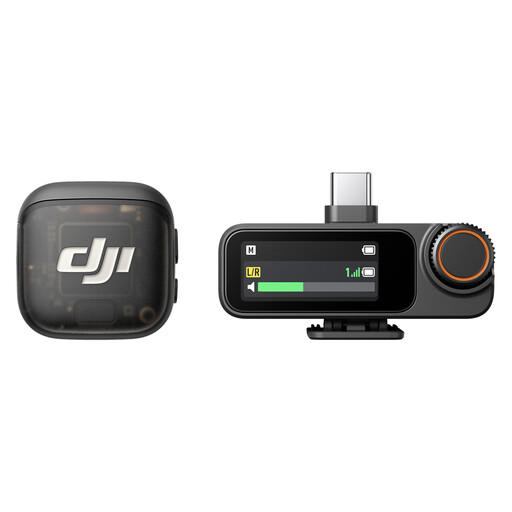
The Wireless PRO offers a mobile recording option, with recordings made directly to the transmitters.
This selection includes compact voice recorders for standalone recording, as well as a wireless microphone system with recording on the transmitters. To capture clear commentary in an untreated room, test the microphone position with each setup.
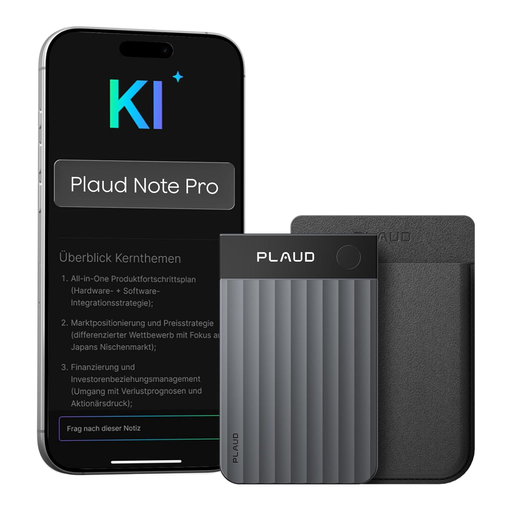 No product image available
Worth considering as a standalone voice recorder for commentary when you don’t have a computer running at the recording location; test the microphone position first.
The description lists four MEMS microphones, 64 GB of internal storage, USB-C and up to 30 hours of continuous recording.
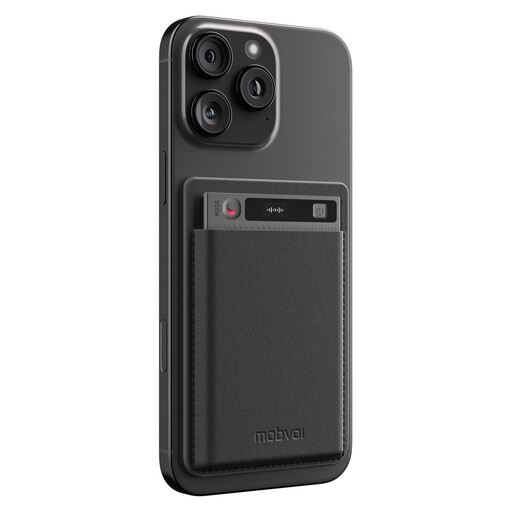 No product image available
Worth considering for standalone voice recording; check whether you can position the device at the right distance from the speaker in your room.
The description lists a three-microphone system and 4 GB of storage. It also mentions transcription and summaries in more than 120 languages.
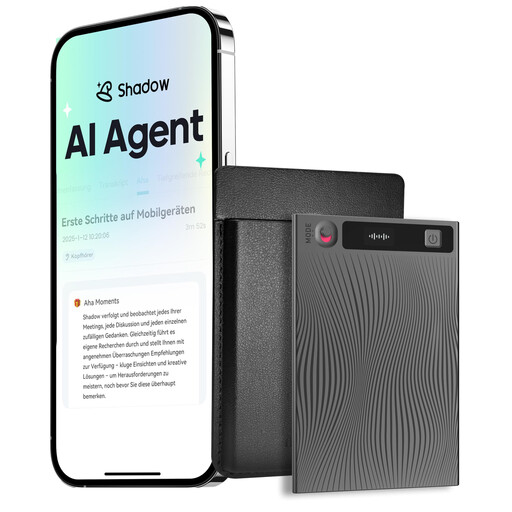 No product image available
Worth considering for longer voice recordings without a computer running; test the microphone position and check the saved file before recording your commentary.
The description lists three microphones, 64 GB of storage and 20 to 25 hours of continuous recording. Wi-Fi or Bluetooth is listed for file synchronisation.
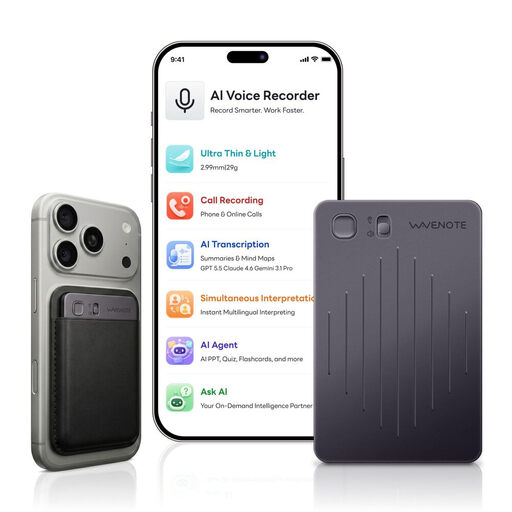 No product image available
Worth considering for standalone voice recordings; test whether the microphone is close enough to the speaker in your room.
The description lists four MEMS microphones, 64 GB of storage, WAV recording and up to 42 hours of continuous recording.
 No product image available
A mobile option if you want to record your voice using a transmitter; check whether the set with two transmitters and one receiver suits your commentary setup.
The description lists 8 GB of internal storage per transmitter and 32-bit float recording. It also lists USB-C, Lightning and 3.5 mm TRS connections.
No. On compatible devices, the format makes it easier to manage recording levels, but a microphone positioned far away can still make your voice sound more distant and echoey. Position it close to you and listen to a test recording.
Check the power supply, available storage, microphone fit and file transfer. Record a short sample from the position you plan to use, then check that you can open the saved file.
There’s no single answer that applies to every museum. Before recording on site, check the museum’s rules and find out whether you need permission. The Deutsches Museum describes an application process for photography and filming intended for publication; this doesn’t establish a general rule for audio recording in all museums.
Under § 201 StGB, recording another person’s non-public speech without their authorisation is a criminal offence. Don’t record such conversations without permission. If identifiable voices are processed as personal data, you must also check that you have an applicable legal basis under data protection law; the Federal Commissioner for Data Protection and Freedom of Information explains why an appropriate legal basis matters.
According to Your Europe, when you buy from a trader you are generally entitled to a legal guarantee lasting at least two years from the date you receive the goods. This is separate from any additional manufacturer’s warranty; if there’s a fault, contact the seller first.