Editing interviews with separate audio
You edit interviews or tours where the camera and audio recorder create separate files. A reliable synchronisation process and the ability to edit the audio afterwards are essential.


First, choose editing software that can synchronise audio recorded separately from the video. Then match your laptop’s configuration to the resolution and scale of your films. For Premiere on Windows, Adobe recommends at least 32 GB of RAM and 8 GB of graphics memory for 4K and above. Proxy files can make editing easier, but they require additional storage. If you work in different locations, also consider the ports, screen size, carrying weight and a suitable way to protect your footage.
You edit interviews or tours where the camera and audio recorder create separate files. A reliable synchronisation process and the ability to edit the audio afterwards are essential.
You edit larger film projects or high-resolution footage. Check the memory, graphics and working drives against the requirements of your editing software.
You collect footage on location and work in different places. Ports, carrying weight and a secure way to store your footage are especially important.
First, check that your editing software can reliably bring together video and separately recorded audio. Then compare the laptop’s full specification with your files, and factor in storage, backups and transport.
| What you need | What to check before buying | Who is it important to? |
|---|---|---|
| Synchronising and editing audio | Test the workflow in your chosen software using your own video and audio files; consider the number of audio tracks you need and whether there’s a headphone socket. | If I edit interviews or tours with separate audio files, I want to synchronise them and check the results without a fiddly matching process. Around 31% of consumers put this workflow first. |
| Editing performance to suit your footage | Check the resolution and codec, then compare the software requirements for your operating system with the full specification. For Premiere on Windows, Adobe recommends at least 32 GB of RAM and 8 GB of graphics memory for 4K and above. | If my projects are large or high-resolution, I want to match the specification to my files and editing software. Around 31% of consumers prioritise editing performance that suits their needs. |
| Storing files securely and keeping them organised | Allow space for originals and working copies, and check for ports to connect external drives. Also factor in a backup and protection process agreed with the museum. | If I need to manage camera originals, audio files and working copies together, I value clear, secure storage more than extra performance headroom. Around 23% of consumers put this need first. |
| Portability, screen and ports | Check that the card reader, headphone and drive connections work with your existing accessories, and weigh up screen size against the laptop’s weight. | If I collect footage on location and edit in different places, I need the right ports without carrying unnecessary weight. Around 15% of consumers prioritise portability and ports. |
Synchronising separately recorded video and audio files is a feature of your editing software, not your GPU.
Before choosing a device, test your planned editing workflow in your preferred software using your own files.
If the synchronisation process isn’t right for you, matching files may involve extra manual work.
Proxies are smaller working copies for editing; they don’t replace the original files. You’ll need the originals, correctly linked, for the final export.
Plan separate storage locations for originals and proxies, and check that the original media can be reconnected before completing the project.
Proxy files need additional storage, so make sure you back up the originals separately too.
ASUS ProArt P16 configurations differ in areas such as the display, graphics and memory. Details for one variant don’t necessarily apply to every model.
Compare the full model number and the specification of the exact product you’re considering, including its memory, graphics memory and ports.
If a mobile device or storage drive is lost, encryption can help make it harder for unauthorised people to access its contents, according to the Federal Commissioner for Data Protection and Freedom of Information (BfDI).
Agree access permissions, encryption and backups with the museum, and establish the legal basis for processing the footage.
MacBook Pro models for macOS editing suites: the 16-inch model with M5 Pro is documented as having, among other features, SDXC, a headphone socket and Thunderbolt 5.
The ThinkPad T1g Gen 8 is a Windows range for more demanding workstations, while the Yoga Pro 9i Gen 9 is positioned as a creator-focused alternative.
The ProArt P16 is a Windows option with a large built-in display. For the German configuration H7606WP-RJ090W, ASUS lists 32 GB of RAM, an RTX 5070 with 8 GB of graphics memory, a 2 TB SSD and an SD Express card reader.
According to HP, the ZBook Studio G11 range includes mobile workstations with a 16-inch screen and discrete graphics.
You can compare the laptops below by their listed specifications for editing projects and managing project files. Check your software requirements and how much you need to carry.
 No image available
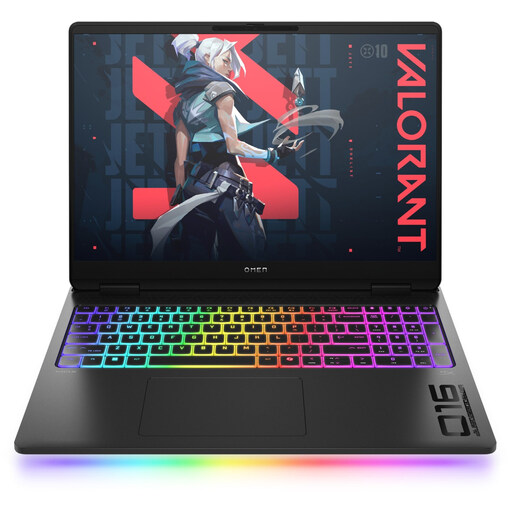
The listed configuration offers plenty of memory and graphics memory for larger projects. Compare it with the requirements of your editing software.
64 GB RAM, 2 TB SSD and GeForce RTX 5090 with 24 GB of graphics memory. The 16-inch WQXGA OLED display, two Thunderbolt 4 ports and HDMI 2.1 are listed features.
 No image available
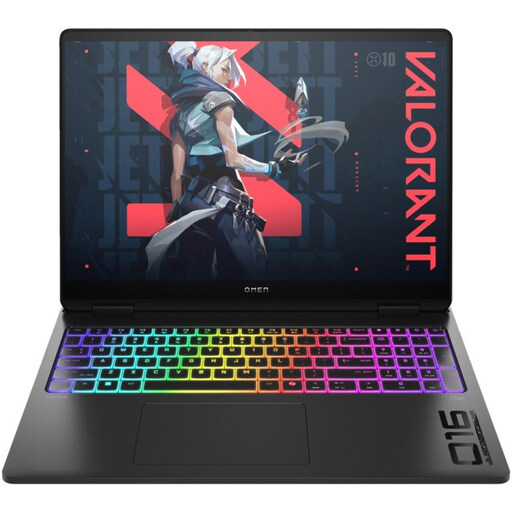
For Premiere on Windows at 4K and above, Adobe recommends at least 32 GB of RAM and 8 GB of graphics memory. The listed configuration has 32 GB of RAM and 12 GB of graphics memory.
1 TB SSD and 16-inch WQXGA display. The listed weight is 2.66 kg, so factor this into your decision if you’ll be working in different locations.
 No image available
This model pairs a 16-inch display with dedicated graphics. Check your software’s RAM requirements, especially for 4K projects.
16 GB DDR5 RAM, 1 TB SSD and NVIDIA GeForce RTX 5060. For Premiere on Windows at 4K and above, Adobe recommends at least 32 GB of RAM.
 No image available
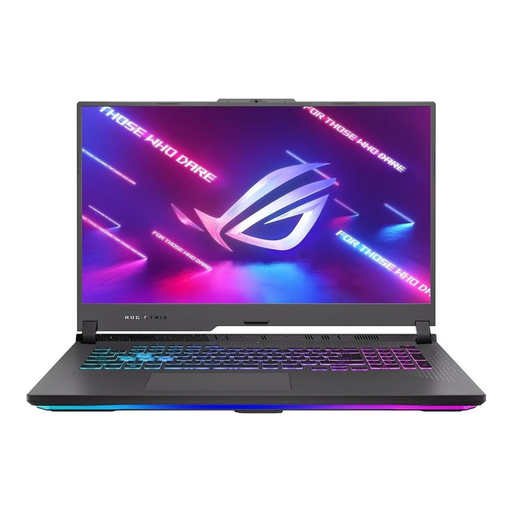
The 17.3-inch display gives you more screen space built in. If you’ll be carrying it between locations, bear in mind its listed weight of around 2.80 kg.
16 GB RAM, 1 TB SSD and GeForce RTX 4060 with 8 GB of graphics memory. For Premiere on Windows at 4K and above, Adobe recommends at least 32 GB of RAM.
 No image available
This model is described as a multimedia laptop. Note that the product listing says it doesn’t come with an operating system, which you’ll need to install before use.
15.6-inch Full HD display, 16 GB DDR5 RAM, 512 GB SSD and GeForce RTX 4050 with 8 GB of graphics memory. For Premiere on Windows at 4K and above, Adobe recommends at least 32 GB of RAM.
Yes, as long as your editing software supports the files. Adobe documents a feature in Premiere for synchronising video and audio recorded separately. Before choosing a device, test the process with files from your camera and audio recorder.
There’s no general rule that you must have one. For Premiere on Windows at 4K and above, Adobe recommends at least 32 GB of RAM and 8 GB of graphics memory. Proxy files can make demanding footage easier to edit on less powerful hardware. Check the requirements of the software you actually use.
Create a clear project structure and set up separate storage locations for originals and working copies. Adobe describes using separate locations for copied media and proxies. Keep the originals available for the final export, and agree on backups and access protection with the museum.
Check whether your editing software and any drives you need will incur additional costs. Apple also offers Final Cut Pro for Mac as a separate purchase. For a private consumer purchase in Germany, distinguish your statutory rights against the seller from a voluntary manufacturer’s warranty. If the museum is buying as an organisation, check the relevant contract terms separately.
No, there’s no blanket permission. According to information from the Federal Commissioner for Data Protection and Freedom of Information, processing personal data requires a legal basis. Consent is one possible legal basis, but it isn’t the only one and must meet certain requirements. The processing and publication of footage must be assessed for the specific project; buying a laptop doesn’t grant permission to publish it.