Who is this selection for?

Developers focused on keyboard testing

You build the website and regularly check that search, filters and navigation work without a mouse. The W3C Web Accessibility Initiative explains the importance of keyboard accessibility and a visible focus indicator.

Collection and media editors

You work on longer object descriptions and images, and want enough screen space to preview the page as you go.

People working across different locations

You work in different places and need to take account of ports, the power adapter and any other accessories you’ll need, as well as the laptop itself. The Federal Institute for Occupational Safety and Health points out that the total weight of work equipment becomes more important when you move between locations frequently.

Which buying criteria matter?

Compact, portable laptop

Best suited to: If you regularly travel between the museum, archive and workplace, compare weight, keyboard layout, software compatibility and the ports you’ll need at each location.

Trade-off: A compact display leaves less room to view code and a page preview at the same time. Extra accessories also add to the total weight you’ll be carrying.

Business laptop for a fixed desk

Best suited to: If you spend longer working on code, collection entries and keyboard tests, check the display and keyboard, and whether you can connect an external monitor.

Trade-off: The series name alone doesn’t tell you which keyboard, display or in-box accessories come with the configuration you’ve chosen.

Configurable and upgradeable laptop

Best suited to: If future upgrades, repairs or choosing specific ports matter for your long-term project, compare the exact specification and operating system.

Trade-off: Framework describes interchangeable expansion cards, along with upgradeable memory and storage. You’ll need to plan for the right specification and set-up for the configuration you choose.

What matters to you What to check before buying Who it matters most to
Keyboard testing The layout of the specific configuration and the keyboard shortcuts you need for your work; also test the website using a keyboard. If I’m building search, filters and navigation, I want to check that they work without a mouse. Around 36% of consumers prioritise keyboard testing.
Development environment The operating system requirements of your software, as well as the memory and SSD in the specific model. If I use an editor, browser and local services at the same time, the configuration I choose needs to suit my tools. Around 29% of consumers focus primarily on their development environment.
Screen space for content and previews Display size, resolution and finish; check whether you’ll need an external monitor. When working with long object descriptions and images, I need room to keep both the content and page preview in view. Around 21% of consumers prioritise screen space for collection entries and previews.
Working in different locations The ports you’ll need at each workplace, plus the weight of the laptop and any accessories you’ll carry. If I move between the museum, archive and workplace, I want to factor in the power adapter and any other essentials. Around 14% of consumers prioritise portability between workplaces.

Common buying pitfalls

  • Assuming a laptop keyboard makes a website accessible

    Having a keyboard doesn’t guarantee that a website’s features can be used without a mouse or that the focus indicator will remain visible. The W3C Web Accessibility Initiative sets out these requirements for the actual user interface.

    Plan to test the finished website using a keyboard. Check search, navigation and other controls independently of your choice of laptop.

  • Assuming every model in a range has the same specification

    Specifications from Lenovo, Dell and HP apply to specific configurations. You shouldn’t assume that every model in a range has the same display, keyboard, storage or in-box accessories.

    Compare the full model number and specification of the listing you’re considering, including its ports and what’s in the box.

    Dell’s documentation for the PC14250 base configuration doesn’t list a charger. Check what’s included with the specific listing and whether any additional ports you need require adapters.

  • Choosing a portable device based on its weight alone

    According to the Federal Institute for Occupational Safety and Health, the total weight of the work equipment you need matters when you move between locations frequently. A power adapter, adapters and other devices can all add to the load you carry.

    Before buying, make a list of the equipment you’ll need at each workplace and include accessories in your comparison.

Brands to consider

Lenovo

The ThinkPad T14 is a business laptop option for development work at a desk or on the move, with specifications that vary by configuration.

  • For the ThinkPad T14 Gen 6 21QC003JGE, Lenovo Germany lists a German backlit keyboard and a matte 14-inch display.
  • These details apply to the configuration listed and shouldn’t automatically be assumed to apply to other T14 models.

Dell

The Dell Pro 14 PC14250 is a business laptop range where the specification of the configuration you choose matters.

  • Dell Germany lists 16 GB of memory, a 512 GB SSD and a matte 14-inch IPS display without touch functionality for one PC14250 base configuration.
  • The documented base configuration doesn’t list a charger. Check what’s included with the specific listing.

HP

The EliteBook 840 G11 is a business laptop option with a documented configuration offering more memory and a higher-resolution display.

  • For the A26QBEA#ABD configuration, HP lists 32 GB of RAM, a 1 TB SSD and a 14-inch display with a resolution of 2560 × 1600 pixels.
  • These specifications apply to A26QBEA#ABD and don’t necessarily apply to other EliteBook models.

Apple

The MacBook Air with M5 is an option for a portable macOS workflow, provided your project software runs on it.

  • For the 13-inch model, Apple Germany lists a configuration with 16 GB of unified memory, a 512 GB SSD and two Thunderbolt 4 ports.
  • Check that your software is compatible and that your existing peripherals work with the available ports or whether you’ll need extra adapters.

Framework

The Laptop 13 lets you choose your ports and keyboard layout, with options for future upgrades.

  • Framework describes interchangeable expansion cards, as well as upgradeable memory and storage.
  • These details relate to the product range and aren’t an independent assessment of product lifespan or keyboard comfort. Check the specification of the model you choose.

Joybuy products for development work

The laptops below include specific details about memory, displays or ports that may be useful for development work and editing collection entries. Check software compatibility and the specification of the configuration you’re considering.

Acer TravelMate TMP216-41-TCO, 16-inch, AMD Ryzen 3 PRO 7335U

Acer TravelMate TMP216-41-TCO

The listed specification includes a 16-inch display and ports suited to working at a fixed desk.

AMD Ryzen 3 PRO 7335U; 16 GB DDR5; 512 GB SSD; 16-inch WUXGA IPS display; Windows 11 Pro Education.

Listed ports include USB4, USB-A, HDMI 2.1 and RJ-45; the memory is described as upgradeable.

View at Joybuy
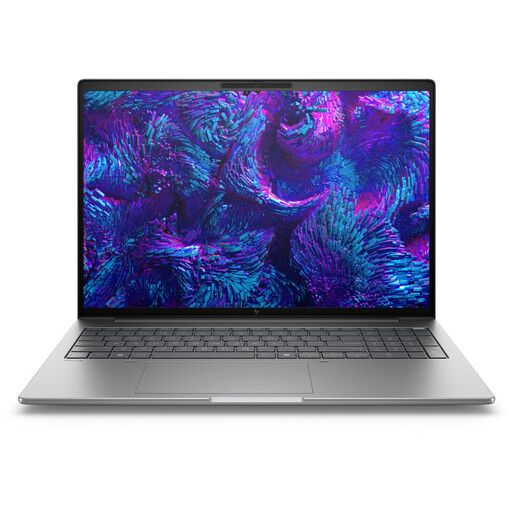
HP ZBook 8 G1i 16, Ultra 7 265H, 64 GB, 2 TB

HP ZBook 8 G1i 16 Ultra 7 265H

The 16-inch model is worth considering if you want more screen space for code and previews.

Intel Core Ultra 7 265H; 64 GB RAM; 2 TB SSD; 16-inch WUXGA display.

This configuration is listed with a matte display, USB 4.0, Thunderbolt 4 and HDMI.

View at Joybuy
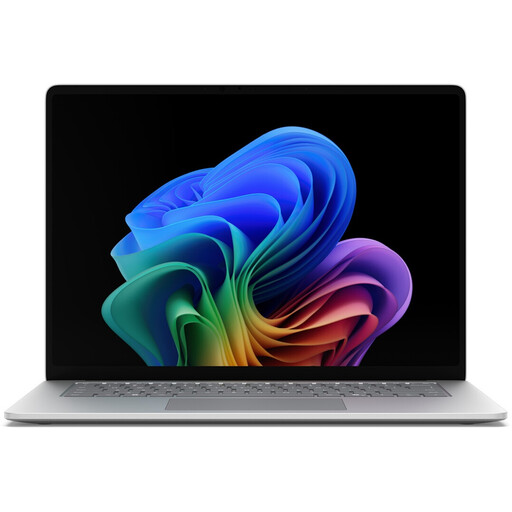
Microsoft Surface for Business, 8th Edition, 15-inch, touchscreen

Microsoft Surface for Business, 8th Edition

The listed 15-inch touchscreen gives you a clearly specified screen size for viewing code and page previews.

Intel Core Ultra 5 335; 16 GB RAM; 512 GB SSD; 15-inch touchscreen with a resolution of 3270 × 2180 pixels and a 120 Hz refresh rate; Windows 11 Pro; German.

This model is listed with two USB 4.0 ports and Thunderbolt 4.

View at Joybuy
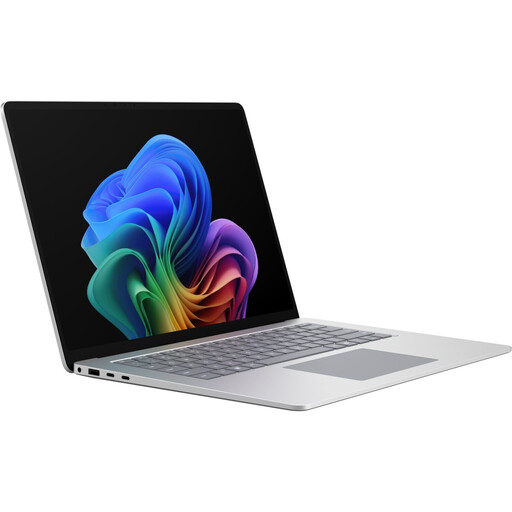
Microsoft Surface Laptop 8 for Business, 15-inch, Core Ultra X7, 16 GB, 512 GB

Microsoft Surface Laptop 8 for Business 15-inch

The listed 15-inch model may be worth considering for longer sessions working on code and collection entries.

Intel Core Ultra X7; 16 GB RAM; 512 GB SSD; Windows 11 Pro; Platinum.

View at Joybuy

Auusda T156A, 15.6-inch, 16 GB DDR4, 512 GB SSD

Auusda T156A

The listed 15.6-inch display and backlit keyboard are useful features if you spend longer working on text.

3050E Processor; 16 GB DDR4; 512 GB SSD; 15.6-inch FHD IPS display.

The product description also lists a fingerprint sensor, USB-C and HDMI.

View at Joybuy

Frequently asked questions

Does a laptop with a good keyboard automatically make a museum collection website accessible?

No. The W3C Web Accessibility Initiative explains that features must be operable through a keyboard interface and that keyboard users need to be able to identify the focus. So test search, navigation and other controls on the actual website.

What should I check before setting up my development environment?

First, check which operating system your project software requires. Then compare the memory, SSD and ports of the specific laptop configuration, rather than relying on specifications for an entire product range.

What should I consider for longer work sessions and future upgrades?

If you work at a fixed desk, plan for a monitor and input devices. When moving between locations, factor in all your accessories. If repairs or upgrades matter, check what’s possible and any conditions that apply to the specific configuration.

What extra costs should I allow for before buying?

Check what’s included with the specific listing: Dell’s documentation for the PC14250 base configuration doesn’t list a charger. Depending on your workplace, you may also need suitable adapters or external input devices.

Do BITV 2.0 or BFSG automatically apply to a German museum collection website?

No. The subject matter alone doesn’t determine whether either applies. The Federal Government’s Accessibility Agency describes BITV 2.0 as applying to federal public bodies, and BFSG as applying to certain products and services. Check who runs the specific museum website and what features it offers, as well as any applicable state law. Your choice of laptop doesn’t determine the legal position.