
Lieferung heute & morgen

Qualitätsgarantie

Willkommens-Angebote freischalten: KOSTENLOSE Lieferung | Bis zu 80 % RABATT | Kostenlose 30-Tage-JoyPlus-Testphase
App herunterladen
Musical toys can encourage babies and toddlers to reach, press, listen and move. But eye-catching lights, lots of sound effects and broad age ranges don’t automatically make a toy the right choice. What matters is how it will actually be used, the safety information provided and whether the volume controls suit your home.
A toy with piano keys, drum pads, a phone function and light effects may seem versatile. But a baby under one may need different features from a three-year-old. Check the recommended age range, the size of the controls and whether the toy can be used while sitting, lying on their tummy or standing.
Musical toys for babies can quickly become very loud in small rooms. Volume control or a mute setting is particularly useful in flats, around siblings and during quiet times. Keep the volume low, and don’t place electronic devices right next to your child’s ear.
Fabric musical toys are often handled and taken out and about. If the music module can’t be removed, cleaning may be more difficult. For electronic toys, parents should also check whether batteries are included, how the battery compartment is secured and whether the toy needs a rechargeable USB battery or a mains connection.
The age guidance is a useful starting point, but it doesn’t replace supervision. For babies, rounded edges, a stable base and easy-to-reach controls are important. Small detachable parts may not be suitable for younger children. For a baby music box with a mechanical or electric music mechanism, keep the module out of your child’s reach, following the manufacturer’s instructions.
An activity table for babies can be a good choice if it adapts to different stages of development. For example, detachable legs can let you use it as a floor play panel at first and as a table later on. Make sure the product is stable, and don’t use it as a baby walker unless it is specifically designed for that purpose.
Plastic toys are often described in product information as being made from ABS or BPA-free materials, with rounded edges. Check these details against the packaging and instruction manual. The CE mark indicates that the manufacturer has taken applicable EU requirements into account, but it is not an independent quality mark.
Also look for:
For electronic musical learning toys, volume controls, different play modes and a mute button are useful features. Light and sound effects should be easy to switch on when you want them, rather than running continuously. For a sleep aid for babies, remember that a musical toy or white-noise machine should not be placed in the cot or close to your baby’s head.
A battery-powered children’s piano or drum toy comes with ongoing battery replacement costs. A rechargeable white-noise machine can be handy when travelling, but it needs a safe place to charge and should never be used with a damaged cable.
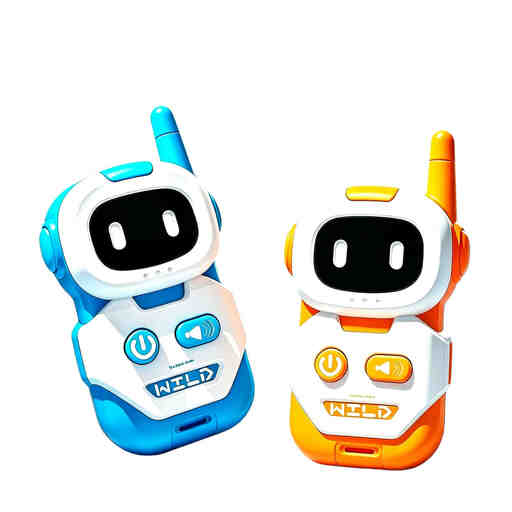
Why this product is a good fit: This compact toy combines drum pads, lights, animal sounds, and shape and colour sorting. According to the product information, it is designed for children aged 6 to 36 months, making it suitable for early sensory play.
The different play features are clearly named, and the age guidance is easy to find. Even so, check the volume, battery compartment and supervision requirements before use.
Shape sorting, drum pads and animal sounds in one toy; the product description says it is made from BPA-free ABS with rounded edges.
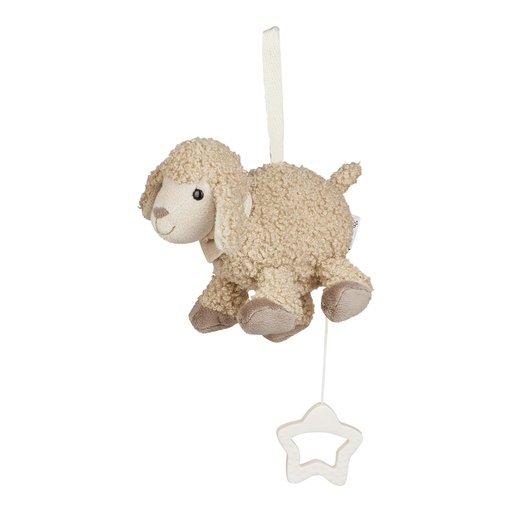
Why this product is a good fit: This mechanical musical toy needs no batteries and, according to the product information, can be attached to a pushchair, infant car seat or baby carrier. It is designed for children from birth.
The music mechanism can be removed using the safety fastener before washing. It’s still important to put the module back correctly after washing and keep it away from babies.
Mechanical music mechanism with no batteries; the fabric toy is machine washable when the module is removed.
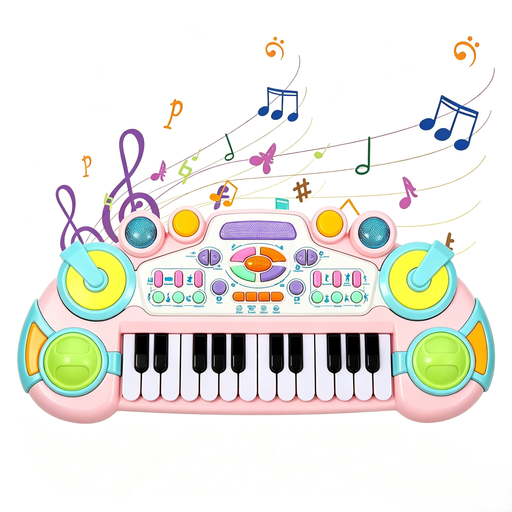
Why this product is a good fit: According to the product information, this children’s piano is designed for ages 1 to 5. It has 24 keys, sound modes, volume control and a mute function, making it practical for households with different play times.
Volume control and a mute function are specifically listed as features. However, the product information says batteries aren’t included, so you’ll need to buy them separately.
24 keys, several sound modes and adjustable volume; suitable for musical play across several age groups.
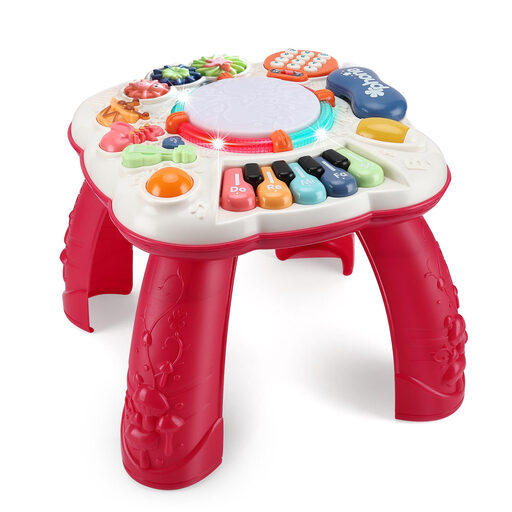
Why this product is a good fit: This product combines piano keys, a drum pad, a phone function and spinning elements. According to the description, its detachable legs let you use it as a floor panel at first and later as an activity table for babies.
Its adaptable design means you may not need several separate play stations. Before buying, check the space available, stability and intended use under supervision.
Six play areas, detachable legs and volume control according to the product description; recommended age range of 6 to 36 months.
We’ve put together a complete, regularly updated list of products that meet these strict selection criteria and fully comply with the safety regulations in force in the EU.
Some models are designed for babies from 0 months, according to the manufacturer. Check the warnings, make sure it is securely attached and keep it at a safe distance from your baby. Music modules must be kept out of babies’ hands, and a musical toy should not be left loose in the sleep area.
Lifespan depends on the materials, how the toy is used and cleaned, and its power source. Fabric musical toys with removable music mechanisms can stay hygienic for longer when cared for properly. For electronic toys, check the battery compartment, cables, buttons and feet regularly. Stop using any damaged products.
A white-noise machine for babies is generally an electronic device, not a toy. Use it out of your child’s reach, on a stable surface and at a low volume. Features such as a timer, rechargeable battery and night light can be useful when travelling or as part of your evening routine, but they don’t replace a safe sleep environment or supervision.