
Lieferung heute & morgen

Qualitätsgarantie

Willkommens-Angebote freischalten: KOSTENLOSE Lieferung | Bis zu 80 % RABATT | Kostenlose 30-Tage-JoyPlus-Testphase
App herunterladen
Musical instruments for children can offer their first experiences with sounds, colours and rhythms. However, choosing the right product is not always easy for parents, grandparents and other family members. Many products look similar, but differ considerably in their recommended age range, construction and supervision requirements.
When it comes to baby musical toys and musical learning toys, three purchasing challenges arise particularly often:
The manufacturer’s recommended age is a useful first point of reference, but it does not replace adult supervision. For babies from 6 months, products made from one connected body and without easily detachable small parts are generally suitable. A drum toy from 3 years may, on the other hand, include drumsticks or small accessories.
Before buying, you should check:
Information such as “BPA-free”, “ABS” or “CE” should be viewed as product information, not as a substitute for checking the specific warnings. For toys, labelling in accordance with EN 71 is also relevant. Look for clear manufacturer and retailer details, as well as warnings in English.
Plastic housings are commonly used for baby musical toys. A smooth surface, rounded edges and a construction without sharp burrs are important. A non-slip base can help prevent a children’s drum from constantly sliding around while it is being played.
For products with metal parts, such as a children’s xylophone, the sound bars should be firmly attached. Also check whether the beaters can be stored safely and whether they are suitable for the recommended age.
An instrument does not need to be particularly loud to be engaging. For electronic models, adjustable volume levels or an off switch are useful. With acoustic drums and drum kits, the noise level depends on the construction and how they are played.
These questions can help you choose:
A children’s drum kit takes up more space and is better suited to families who want to make music regularly. A compact xylophone or small drum is easier to store and can also be used when travelling.
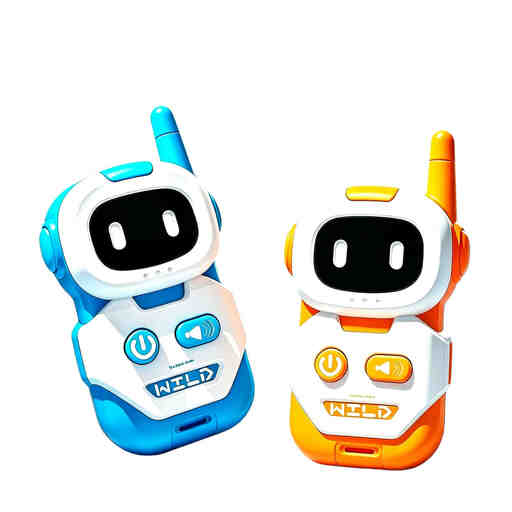
Why this product suits this profile: This compact multifunctional toy combines drum surfaces, light effects, animal sounds, and shape and colour sorting. According to the product information, it is intended for 6 to 36 months, while the description highlights 6 to 18 months as the main age range.
The integrated play functions reduce the need for additional accessories. Before buying, remember to purchase batteries separately and check that the volume is suitable for use at home.
ABS plastic, BPA-free material information, rounded edges and a non-slip base. Five shape buttons complement the drumming features.
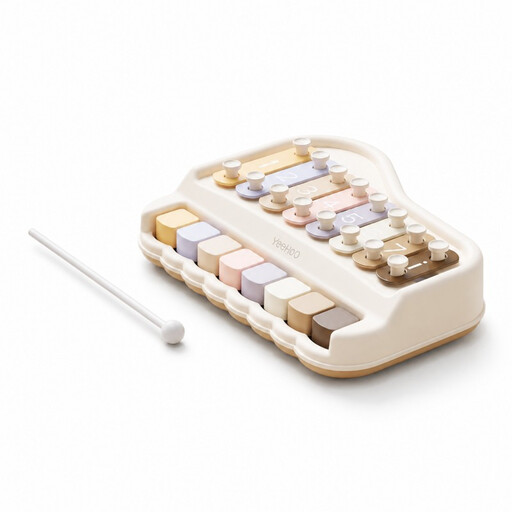
Why this product suits this profile: According to the manufacturer, this instrument is intended for children from 3 years and features eight sound bars. It can be played with beaters or by pressing the bars with the fingers.
The recommended age gives a clearer indication of suitable use than general baby toy descriptions. Before each use, check that the beaters and sound bars are firmly attached and undamaged.
Eight tones, dimensions of approximately 20 × 15.5 × 4.5 cm and storage for the beaters. According to the product description, a music note guide is included.
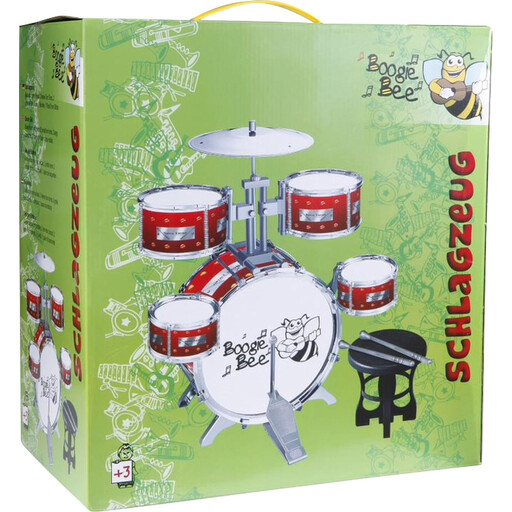
Why this product suits this profile: This seven-piece set is described as suitable for children from 3 years and is aimed at families with enough space for regular drumming.
The components are listed clearly, making it easier to assess what is included before buying. Supervision is required because of the warning about small parts and possible hearing strain.
Bass drum with pedal, two small and two large toms, hi-hat, drumsticks and stool. The stated set size is approximately 75 × 58 × 41 cm.
We have put together a complete, regularly updated list of products that fully meet these strict selection criteria and the safety regulations applicable in the EU.
For babies between 6 and 18 months, an easy-to-use, stable model with large playing surfaces is usually more accessible than an instrument with beaters. This type of sensory toy for babies can combine sounds, lights and shapes, but it should not be used unsupervised around the mouth.
From around 3 years, a children’s xylophone or drum kit may be a suitable option. The key considerations are the size of the instrument, the available space and the family’s willingness to supervise and support its use. A gift for boys and girls does not need to be chosen according to gender: range of sounds, age suitability and how it is played are the relevant criteria.
The following is also recommended for everyday use:
For babies from 6 months, simple, large and stable toys without easily detachable small parts may be suitable. An electronic drum toy with large buttons can be an alternative to instruments played with beaters. The specific age recommendation and warnings for the product in question must be followed.
That depends on the model. According to the product information, the YEEHOO Musical Xylophone Bench presented here is intended for children from 3 years. Adults should be present when it is used with beaters, as these are not suitable for chewing and may pose a risk if used improperly.
Its lifespan depends on the materials, intensity of use, storage and care. A plastic set can be used for a long time when handled properly. However, damaged drum surfaces or pedals, as well as loose parts, should be checked immediately and replaced if necessary. Dry storage and supervised use can help maintain the product’s usability.