
Lieferung heute & morgen

Qualitätsgarantie

Willkommens-Angebote freischalten: KOSTENLOSE Lieferung | Bis zu 80 % RABATT | Kostenlose 30-Tage-JoyPlus-Testphase
App herunterladen
The selection of musical toys is vast, ranging from simple rattles to complex digital instruments. However, not every product that looks appealing at first glance proves to be a good choice in daily life. Many parents know the problem: an expensive toy ends up in a corner after a short time because it's too loud, too complicated, or simply not durable enough.
As a Joybuy Product Recommendation Officer, I see daily what features make a good musical toy and which common pitfalls lead to disappointment. This guide will help you navigate common marketing traps and make an informed decision that benefits both your child and your peace of mind.
To avoid a bad purchase, you should check a few core parameters before making a decision. These objective criteria will help you evaluate a product's quality, independent of marketing promises.
Your child's safety is the top priority. Look for toys made from non-toxic materials. A reliable indicator is certification according to the European toy safety standard EN 71. This standard ensures that the product is free of harmful chemicals and does not contain any small, easily detachable parts that could become choking hazards. The workmanship should be robust, with no sharp edges or burrs.
The manufacturer's age recommendation is a starting point, but your child's actual developmental stage is what counts.
A good musical toy is characterized by clear, harmonious tones. A function to regulate the volume is essential to protect the child's hearing and keep the household noise level tolerable. Some modern devices even allow for connecting headphones, which is an ideal solution for undisturbed practice.
Based on the criteria above, we have identified some products that are suitable for different user profiles.
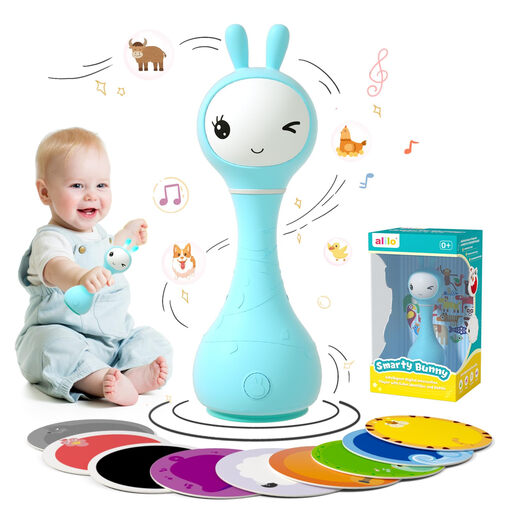
Why This Fits Their Persona: Perfect for babies and toddlers discovering their senses. The design is tailored for small hands and combines gentle music, soothing light effects, and a color recognition function to specifically promote auditory and visual perception.
The functions are clearly tailored to early development and are not overwhelming. The soft silicone ears are safe for teething, and the sound quality is pleasant rather than shrill.
Combines a rattle, night light, and music player in one device. The color recognition feature with the included cards offers an additional learning incentive.
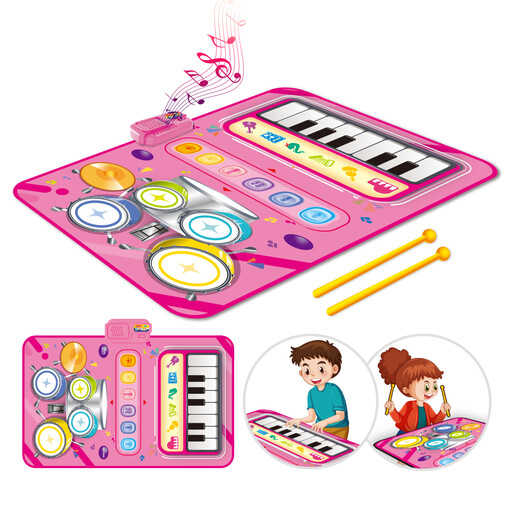
Why This Fits Their Persona: Ideal for energetic children who want to combine music with movement. This large music mat for kids allows them to create sounds with their hands and feet, promoting coordination, a sense of rhythm, and physical activity.
The mat features adjustable volume control. The soft, non-woven fabric material is safe and durable. When not in use, it can be easily folded and stored.
Combines 13 piano keys and 6 drum instruments in one toy. Encourages cooperative play between siblings or with parents.
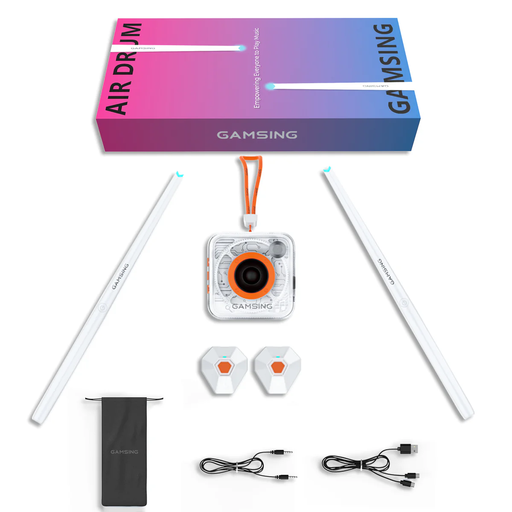
Why This Fits Their Persona: For older kids and teens who want a realistic drumming experience without the space requirements and volume of an acoustic set. This innovative kit simulates drum hits through motion sensing in the air.
Completely solves the volume problem by connecting to headphones or speakers. The professional sounds and precise response avoid a "toy" sound, offering an authentic playing feel.
Extremely low latency of under 2 milliseconds for a lag-free response. 100 levels of velocity sensitivity allow for expressive playing. Compact and portable.
The right choice can have a lasting impact on a child's musical development. Whether as a first gift for toddlers or as a sophisticated instrument for older children, quality is key.
1. At what age are musical toys beneficial? Musical toys are beneficial from birth. For babies, simple rattles or music boxes are suitable for auditory stimulation. From around 18 months, children can begin to actively create sounds with simple instruments like drums or sound blocks. The key is to choose a toy that matches their developmental stage.
2. What should I look for regarding the volume of musical toys? The volume should always be moderate to avoid damaging children's sensitive hearing. Look for products with multi-level volume control or a fixed, pleasant maximum volume. If headphones are used, the volume should also be limited to a safe level.
3. How do I clean musical toys with electronic components? Electronic toys should never be submerged in water. Use a soft, slightly damp cloth for cleaning. For more stubborn dirt, a mild cleaning agent can be used, but ensure that no liquid enters the housing. Always follow the manufacturer's cleaning instructions.