
Lieferung heute & morgen

Qualitätsgarantie

Willkommens-Angebote freischalten: KOSTENLOSE Lieferung | Bis zu 80 % RABATT | Kostenlose 30-Tage-JoyPlus-Testphase
App herunterladen
The selection of musical toys is vast, ranging from classic music boxes to interactive learning tablets. However, not every product that advertises colourful lights and cheerful melodies is a worthwhile purchase. As a Joybuy Product Recommendation Officer, I see daily what features define a quality product and where expensive pitfalls lie. This guide will help you separate the good from the bad and find a toy that is safe and supports your child's development.
Many well-intentioned gifts quickly turn out to be poor purchases. Watch out for these three typical problems to avoid disappointment:
To avoid these traps, check three essential aspects before making a purchase. These will help you objectively assess a product's quality and suitability.
Safety is the top priority. Look for the CE marking, which confirms that the product meets EU safety standards. For toys intended for babies and toddlers, the following points are crucial:
Not every baby toy with music and lights is suitable for every age. The type of sounds and interactions should match the child's developmental stage.
An often-underestimated factor is the quality of the sound. Look for:
Based on the criteria above, we have compiled a selection of products for different user profiles.
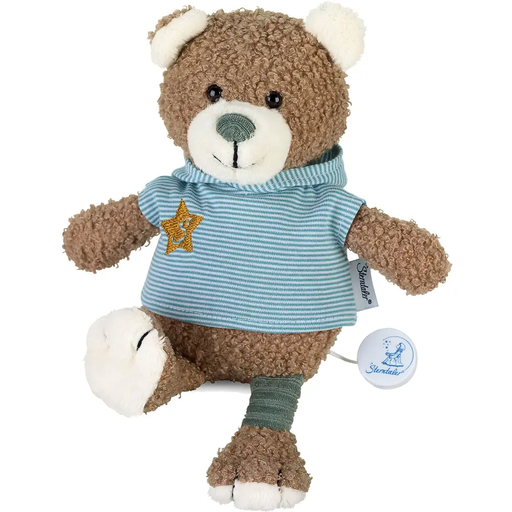
Why This Fits Their Persona: Ideal for newborns and as a classic baby shower gift. The music box focuses on a single, soothing function: playing a gentle melody as a sleep aid.
Avoids the sensory overload trap with a single, gentle melody. The removable musical mechanism solves the problem of hygiene and durability.
Soft plush material; musical mechanism is removable via a zipper, making the figure washable; plays a well-known lullaby melody ("La Le Lu").
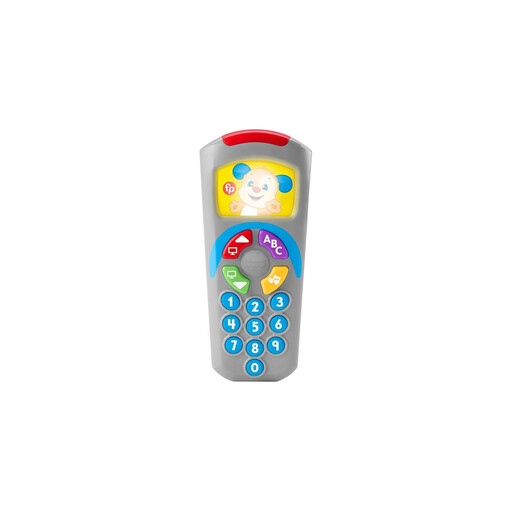
Why This Fits Their Persona: Perfect for toddlers who are starting to explore their surroundings and imitate everyday objects. It combines fun with early learning content in an age-appropriate way.
Offers volume control to prevent overstimulation. The robust design from an established brand ensures durability and safety, sidestepping the poor construction trap.
Promotes understanding of cause and effect; over 35 songs and phrases introduce the alphabet and colours; strengthens fine motor skills.
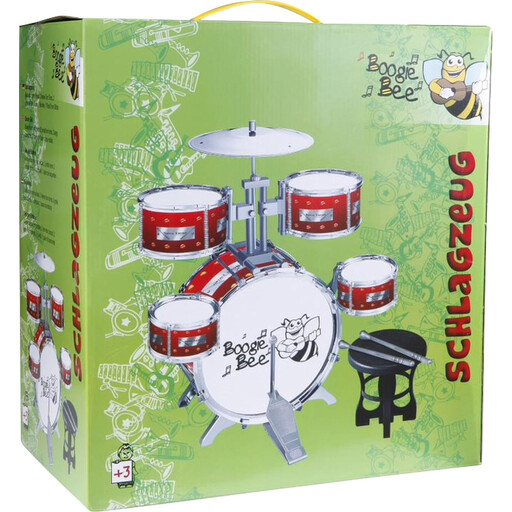
Why This Fits Their Persona: For children aged 3 and up who show an active interest in music and rhythm. This set is more than just a sound toy; it's a first real instrument kit.
This is a focused musical instrument, not an overloaded multi-function toy. It specifically promotes a sense of rhythm and coordination instead of overwhelming with passive stimuli.
Complete 7-piece set including a stool for a realistic playing experience; actively promotes musical development and motor skills.
We have compiled a complete, up-to-date list of products that fully meet these strict selection criteria and UK/EU safety regulations.
Musical toys are beneficial from birth, as long as they are chosen to be age-appropriate. For newborns (0-6 months), gentle music boxes or rattles are suitable for auditory stimulation. From 6 months, interactive toys that respond to the child's actions become interesting. From around 2-3 years, simple first instruments like drums or pianos can foster musical creativity.
For plush toys, it is crucial that the electronic module (the musical mechanism) is removable. This is the only way the plush part can be hygienically cleaned in a washing machine. For plastic toys, wipe the surface with a slightly damp cloth. Ensure no moisture gets into the battery compartment or other openings. Do not use harsh cleaning agents.
A fundamental feature is the CE marking. Additionally, check the toy for sturdy construction without any sharp edges. The battery compartment should be securely screwed shut. For toys intended for children under three, there must be no small parts that could detach and be swallowed. Reputable brands typically provide detailed safety information.