
Lieferung heute & morgen

Qualitätsgarantie

Willkommens-Angebote freischalten: KOSTENLOSE Lieferung | Bis zu 80 % RABATT | Kostenlose 30-Tage-JoyPlus-Testphase
App herunterladen
Musical toys for children can provide an introduction to making music, encourage singing together or offer a calm activity. The selection ranges from music boxes for babies and children's drums to children's keyboards and interactive learning toys with cards, stories and light effects. However, this very variety can make choosing the right product more challenging.
Many products promote educational benefits, numerous functions or particularly safe materials. What matters, however, are the specific details: What age is the toy designed for? Can the volume be adjusted? Does it contain small parts? How should the product be cleaned and powered?
“From 0 months”, “for toddlers” or “for children up to 5 years” are initially only rough guidelines. A product with small cards, stickers or detachable accessories may be unsuitable for babies, even if it is marketed as an educational musical toy.
So pay attention to:
For a baby musical toy, the design should be as simple and easy to grip as possible. Toys for children aged 3 and over, on the other hand, may benefit from learning cards, an interactive pen or more complex play modes.
Lights, melodies, animal sounds and buttons provide a range of different stimuli. They can help capture a child’s attention, but they do not replace a well-designed play concept. A children's keyboard with 24 keys and several sound modes offers different play opportunities from a baby music box with a single melody.
Check whether the functions match how you intend to use the toy:
Terms such as “Montessori-inspired” or “educationally valuable” should not be the only deciding factors. The specific functions described are what really matter.
Electronic musical toys require batteries or a rechargeable battery. Check whether batteries are included, how charging works and whether the child may access the device while it is charging. A volume control or mute mode is particularly practical in flats, when travelling and during quiet periods.
With soft toys containing a musical movement, it is also important to check whether the music module can be removed before washing. The Sterntaler model specifically points out that the module must not be allowed to fall into the hands of babies or young children.
The age rating is not merely a marketing statement. Among other things, it takes into account the size of the parts, how the toy is operated and its intended use. According to the product information, an alilo Pocket Bunny is recommended for children aged 3 and over; small parts may present a choking hazard. For younger children, toys with permanently attached elements or softly padded musical boxes may be more suitable.
For musical instruments for toddlers, you should also check:
Product information for plastic toys often mentions ABS and BPA-free materials. Such claims should be checked against the official product data. The CE marking indicates a declaration of conformity with relevant EU requirements; however, it is not a general quality seal and does not replace checking the specific warnings.
The EN 71 series of standards concerns toy safety. Look for clear manufacturer and EU responsible-person details, as well as information about:
A toy with a volume control can be adapted more easily to the home environment. Nevertheless, the actual volume depends on the distance, duration of use and setting. Do not allow children to use electronic musical toys continuously at a high volume.
This classification may help when choosing:
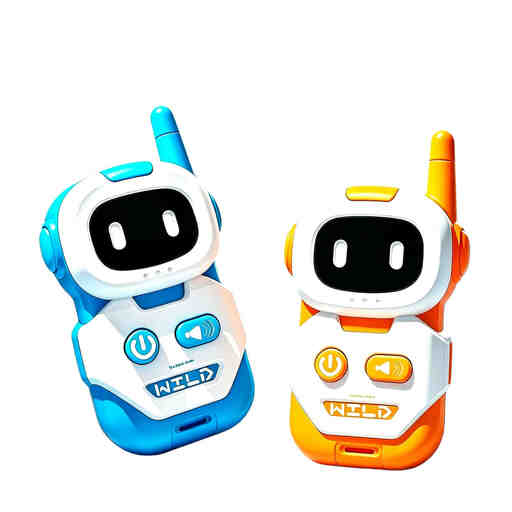
Why this product suits this profile: This compact activity centre combines drum surfaces, light effects, animal sounds, and shape and colour sorting in one product.
The product information states an age range of 6 to 36 months and explains that batteries are required separately.
ABS plastic, rounded edges and several manual play activities; batteries are not included.
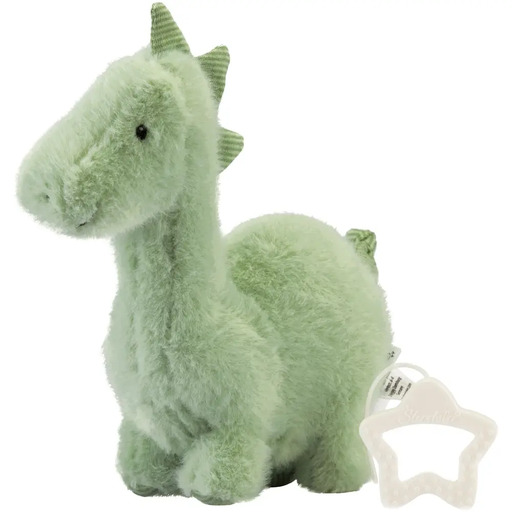
Why this product suits this profile: This music box is designed as a soft toy and, according to the product information, is suitable from 0 months.
The music module can be removed using a zip, allowing the plush cover to be washed in accordance with the care instructions.
Plush made from 100% polyester, cotton jersey and a removable music module with “Mozart's Lullaby”.
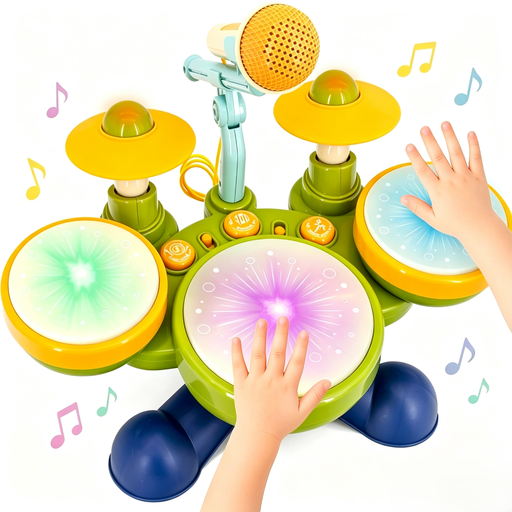
Why this product suits this profile: According to the product information, the set is aimed at children aged 1 to 3 and includes drums, cymbals, a microphone and several music modes.
A volume control allows the sound level to be adapted to your home environment. The stand can be removed, allowing the set to be used as a floor play panel.
Three illuminated drum surfaces, two lift-up cymbals, a microphone and ABS construction; batteries are required separately.
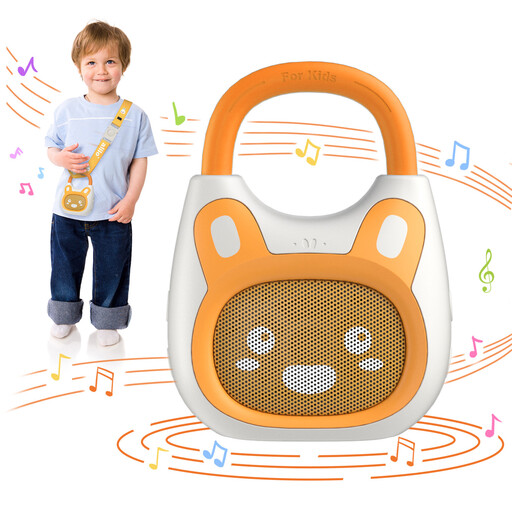
Why this product suits this profile: This audio player combines books, cards, stories, rhymes and recordings for children aged 3 and over.
The warning about small parts is stated explicitly. The toy is operated using a pen, and an adult should supervise charging.
48 children's songs, 16 stories, 14 lullabies, recording stickers and a stated battery life of up to 6 hours.
We have put together a complete, regularly updated list of products that fully meet these strict selection criteria and the safety regulations applicable in the EU.
Softly designed music boxes or firmly attached, easy-to-grip play elements may be suitable for babies. Check the age rating, avoid loose small parts and look for a moderate volume. With plush music boxes, the music module must remain out of reach when it has been removed.
The service life depends on the materials, battery compartment, rechargeable battery and daily use. Clean electronic parts only as instructed, protect them from moisture and store battery-powered devices in a dry place. If the casing, cable or battery is damaged, the toy should no longer be used.
Both options may be suitable gifts for babies and toddlers, provided you take age, space and volume into account. A children's keyboard is ideal for experimenting with keys and sounds, while a children's drum requires more room and can be considerably more noticeable during use. In flats, a volume control is a practical feature to look for.